Language
 English
 中文简体
中文简体 Español
 русский
 +86-15268315011


Thermoplastic Road Marking Material: Why SBS/SEBS Polymer Modifiers Matter
At a pavement marking installation site, workers heat a thermoplastic mixture to roughly 200 °C and extrude it onto the road surface. The material cools quickly into a solid, reflective line. Yet many of these lines lose their brightness within three years, while others remain visible for a decade or more. The difference is not luck, but formulation. A well-designed thermoplastic road marking material combines the right resin, pigment, filler, glass beads, and polymer modifier. Understanding these components and their interactions helps procurement and engineering teams specify a product that meets local traffic conditions and budget.
Content
What Is Thermoplastic Road Marking Material?
Thermoplastic road marking material is a dry, homogeneous mix that becomes fluid when heated and hardens as it cools. Unlike solvent-based or MMA paints, it contains no volatile solvent. The typical components are:
- Resin, often modified rosin, C5/C9 hydrocarbons, or other thermoplastic resins, which provides wet adhesion and cohesive strength.
- Pigment, commonly white or yellow titanium-based, which supplies the background color.
- Fillers such as calcium carbonate or silica, which add body and abrasion resistance.
- Glass beads, which are embedded in the surface to reflect headlights and improve nighttime visibility.
The material is applied at a melt temperature of approximately 180 to 210 °C. At this temperature, the resin melts and the blend becomes a high-viscosity fluid that can be extruded onto the roadway in a controlled film. As it cools, it forms a continuous, durable layer that is often more resistant to wear and deformation than solvent-based alternatives.
Why Polymer Modifiers Matter in Hot-Melt Markings
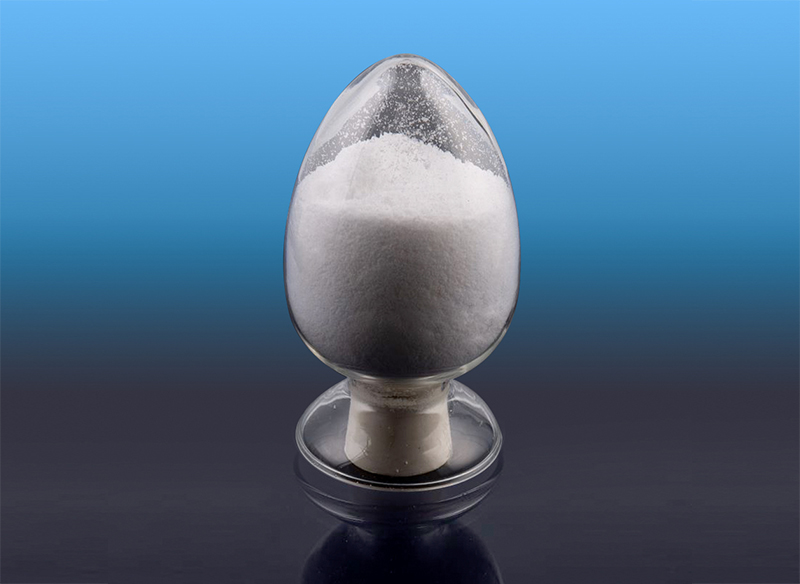
Unmodified thermoplastic resins are brittle at low temperatures and soften at high temperatures. On a road, this leads to cracking in winter and deformation in summer. Polymer modifiers solve these problems by adding elasticity and toughness. The most widely used modifier is a styrene-butadiene-styrene block copolymer (SBS). SBS is a thermoplastic elastomer that forms a physical network when mixed with resin and filler. This network dissipates stress, improves impact resistance, and increases adhesion to asphalt. For this reason, SBS has become a standard ingredient in high-performance thermoplastic road marking materials.
 Styrene-Butadiene-Styrene Block Copolymer for Road Marking ModificationSBS is a thermoplastic elastomer that improves elasticity, toughness, and adhesion of road marking materials, reducing cracking in winter and deformation in summer while enhancing resistance to stress and impact.View Product →
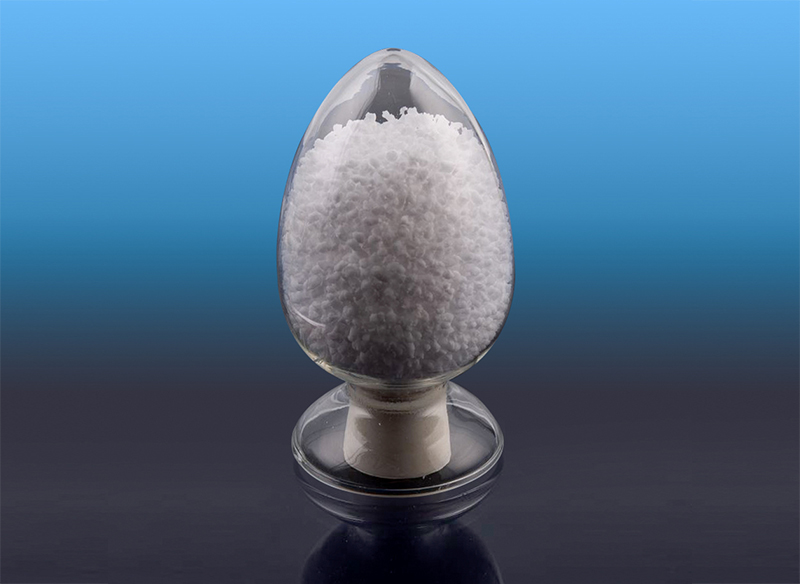
For projects that require extra resistance to UV exposure and oxidation, hydrogenated SEBS is a better choice. In SEBS, the butadiene double bonds are hydrogenated to form saturated ethylene-butene segments. This eliminates the degradation pathway that causes SBS to yellow and embrittle over time. A SEBS-modified marking retains flexibility and retroreflectivity in harsh climates, which lowers the need for repainting. Because of its compatibility with bitumen, SBS is also used in asphalt modification, where it improves rutting and fatigue resistance. SEBS grades are equally common in plastic modification, where they add impact strength to rigid polymers.
 Hydrogenated Styrene-Butadiene Block Copolymer for UV-Resistant MarkingsSEBS offers superior UV and oxidation resistance, maintaining flexibility and retroreflectivity in harsh climates, reducing repainting needs, and is compatible with bitumen and plastics for durable modifications.View Product →
Performance Criteria That Affect Service Life
Selecting a thermoplastic road marking material requires comparing several performance criteria: initial adhesion, abrasion resistance, color retention, retroreflectivity, and low-temperature flexibility. The table below summarizes typical trade-offs between unmodified resin, SBS-modified, and SEBS-modified systems.
| Property | Unmodified Resin | SBS-Modified | SEBS-Modified |
|---|---|---|---|
| Low-temperature flexibility | Poor | Good | Excellent |
| UV / oxidation resistance | Poor | Fair | Excellent |
| Abrasion resistance | Fair | Good | Good |
| Adhesion to asphalt | Fair | Good | Good |
| Cost | Low | Medium | High |
For a road in a hot climate, for example, a formulation with poor low-temperature flexibility might still perform well if the seasonal temperature change is small. However, the same material would fail in a region with freeze-thaw cycles. The practical impact is that the modifier choice must be matched to the site-specific climate and traffic load, not to a generic specification.
Processing and Application Considerations
Thermoplastic markings are applied with specially matched machines. The heating unit melts the powder at about 180 to 210 °C. The extruder applies a consistent thickness, typically 90 to 150 mils, and a screed times the width. Immediately after the material is laid, glass beads are dispensed at a controlled rate. If the bead application is too heavy or too light, retroreflectivity suffers. The road surface must also be clean and, ideally, pre-treated with a primer or a sweep/air blast to remove dust and moisture.
Uneven glass bead distribution and dirt on the surface are the two largest causes of poor retroreflectivity. A simple mechanical sweep followed by a pressure-air blow can make a measurable difference. In addition, some agencies use pre-layer heaters to prevent the material from cooling too quickly on a cold road, ensuring better embedment of the beads. The combination of correct thickness, bead placement, and surface preparation determines whether the marking meets the required retroreflectivity at the end of its warranty period.
Environmental and Maintenance Concerns
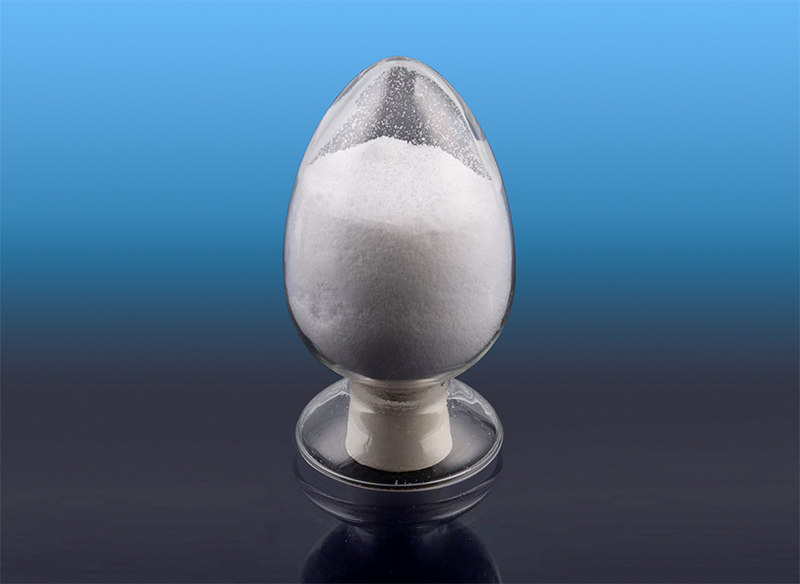
Thermoplastic materials are generally considered low-solvent and low-VOC, but they are not without environmental impact. As vehicles wear the marking, small polymer and pigment particles may flake off, some of which become microplastics. The longer the marking lasts, the lower the annual emission. Therefore, choosing a tough, highly weatherable polymer modifier not only improves performance but also reduces the lifecycle footprint. Hydrogenated isoprene polymer (EP) is one such option. It offers outstanding thermal and oxidative stability, which keeps the marking intact under repeated heating during application and through years of UV exposure.
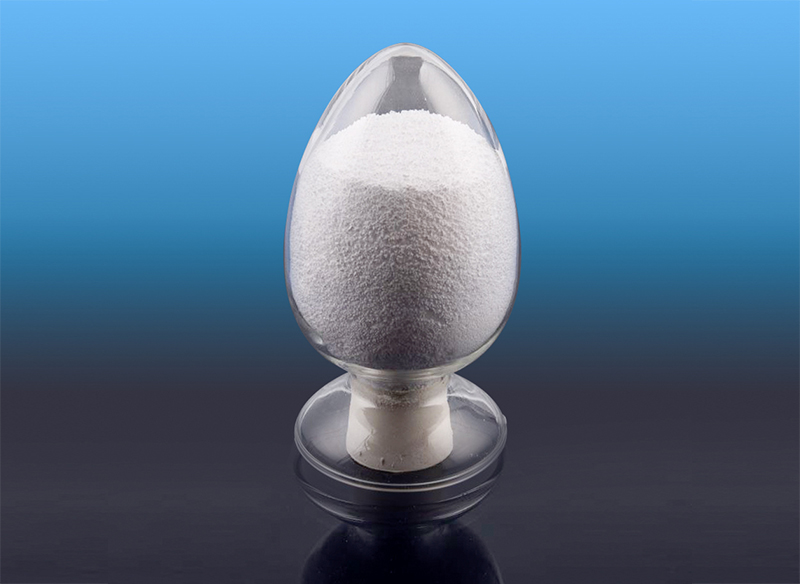 Hydrogenated Isoprene Polymer for Long-Lasting and Stable MarkingsEP provides outstanding thermal and oxidative stability, ensuring marking integrity through repeated heating and UV exposure, thereby reducing lifecycle environmental impact and maintenance costs.View Product →
A material that needs to be repainted every two years creates more waste than a material that lasts eight years, even if its initial cost is higher. From a maintenance perspective, the total cost of ownership often favors the more stable polymer, especially on busy roads where closing lanes to repaint is expensive and disruptive.
Selecting the right thermoplastic road marking material is a balance between upfront cost, traffic volume, and local climate. For standard urban roads with moderate traffic, an SBS-modified formulation is a reliable workhorse. For highways with heavy truck traffic or extreme sun exposure, a SEBS- or EP-modified binder delivers the durability that reduces repainting frequency. Regardless of the choice, always validate the material against the specific retroreflectivity and wet-skid requirements of your project, and work with suppliers who can supply consistent raw materials. If the target is a long service life, polymer selection is not a detail; it is the most important decision in the recipe.