Language
 English
 中文简体
中文简体 Español
 русский
 +86-15268315011


SBS Block Copolymer: Structure, Properties, Applications, and Buying Guide
A purchasing manager evaluating SBS block copolymer for a hot-melt adhesive line usually asks two questions before approving a trial batch: will the grade hold its shear strength at the application temperature, and will the supplier deliver the same performance on the next lot. The short answer is yes on both counts, but only when the molecular architecture is matched to the application and the production quality behind each batch is verified. SBS block copolymer is the most widely used styrenic block copolymer because it combines rubber-like elasticity, thermoplastic processability, and a cost-performance balance that few elastomers can match. What follows explains the structure, the properties, and the practical points to check before you commit to a grade.
Content
What Is SBS Block Copolymer?
SBS stands for styrene-butadiene-styrene, a linear triblock copolymer in which a polybutadiene (B) mid-block sits between two polystyrene (S) end blocks. At normal service temperature, the polystyrene end blocks are hard glassy domains while the polybutadiene mid-block stays soft and rubbery. Polystyrene domains from different chains cluster together and act as physical crosslinks, so the material keeps its shape after stretching, just like a vulcanized rubber.
The key difference from conventional rubber is that those crosslinks are physical, not chemical. Heat the polymer above the glass transition of polystyrene and the domains soften, the network relaxes, and SBS flows and can be molded, extruded, or recycled. When it cools, the network reforms. This reversible behavior is what makes SBS a thermoplastic elastomer, and it drives almost every processing and performance decision you will make.
How SBS Block Copolymer Is Made
SBS is manufactured by living anionic polymerization, a process that begins with a styrene block, follows with a butadiene block, and finishes with a second styrene block before termination. Because living anionic polymerization avoids early chain termination, block lengths are controlled and the molecular weight distribution is narrow compared to what ordinary radical polymerization would produce.
This matters directly to buyers. Higher styrene content increases hardness, tensile strength, and holding power but reduces elasticity. Longer butadiene mid-blocks improve elongation and low-temperature flexibility. A broader molecular weight distribution lowers melt viscosity and eases processing but can reduce mechanical strength. That is why two SBS grades with identical hardness numbers can behave completely differently in your compound; the upstream process design is part of the specification.
Key Properties at a Glance
The table below summarizes the typical property ranges of commercial SBS block copolymers. Actual values vary with styrene content, architecture, and formulation, so treat them as orientation rather than a datasheet.
| Property | Typical Range |
|---|---|
| Density | 0.90 - 1.05 g/cm³ |
| Hardness | 30 - 95 Shore A |
| Styrene content | 20 - 45 wt% |
| Continuous service temperature | -70 °C to 70 - 80 °C |
| Tensile strength | 5 - 25 MPa |
| Elongation at break | 500 - 1000 % |
| Resistance to oils and UV | Moderate; improves with hydrogenation |
Two practical characteristics stand out. SBS has low melt viscosity at high shear, so it fills molds, coats substrates, and blends with modifiers quickly. It also accepts very high loadings of fillers, plasticizers, and tackifying resins, which is why compounders use it as a base for so many industrial recipes.
Linear or Radial: Which Architecture to Choose
Commercial SBS is available in linear and radial (star-shaped) architectures. Linear SBS has the simple S-B-S chain and is the standard choice for asphalt binders, sealants, and many adhesives. Radial SBS has three or more chains coupled at a central point, giving higher molecular weight for the same solution viscosity. The practical result is better tensile strength, higher softening point, and improved resistance to creep under load.
The trade-off is processability. Radial grades generally need more energy to mix and flow at slightly higher viscosity. The rule of thumb: choose radial SBS when you need maximum strength and heat resistance in the finished part; choose linear SBS when fast processing, easy mixing, and lower cost matter more. Blends of both are common in footwear and adhesive formulations.
Main Industrial Applications of SBS Block Copolymer
SBS block copolymer earns its place in production lines because it performs well across several demanding industries without exotic equipment. The main applications are:
- Hot-melt and pressure-sensitive adhesives, where SBS delivers high tack, quick setting, and good shear strength.
- Asphalt modification for road paving and waterproofing membranes, where small SBS additions raise the softening point and improve elasticity of the binder.
- Footwear: shoe soles, midsoles, and TPE foam compounds.
- Plastic modification for toughening polypropylene and polystyrene.
- Sealants, cable filling compounds, toy compounds, and other molded or extruded flexible parts.
In adhesives and sealants, SBS is usually selected where fast bond formation and low formulation cost matter more than long-term oxidation resistance. In asphalt modification, the rubbery mid-block absorbs stress from traffic and thermal cycling while the styrene domains hold the binder together, and the percentage and grade of SBS determine how much the softening point and elastic recovery improve.
For manufacturers that need a dependable SBS base across multiple product lines, the styrene-butadiene block copolymer range covers both linear and radial grades for footwear, adhesives, and asphalt applications.
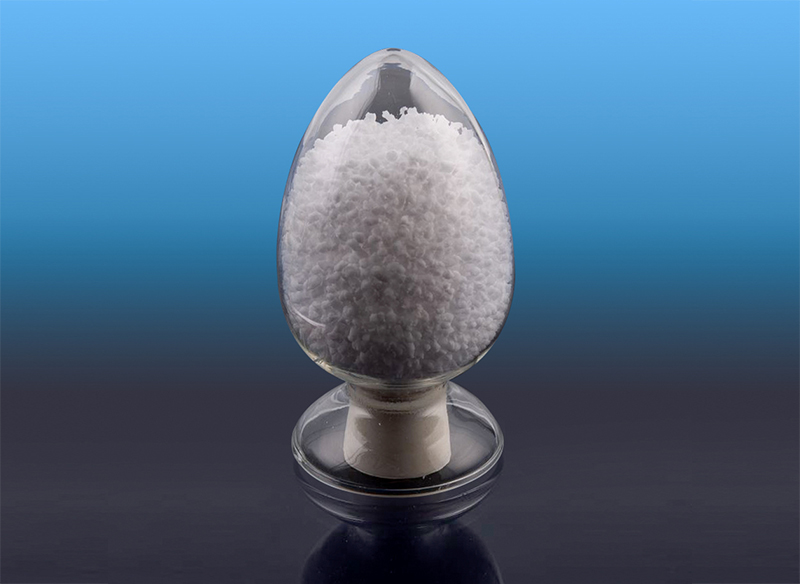 Zhongli SBS Series Styrene-Butadiene Block CopolymersThis SBS range covers linear and radial grades for footwear, adhesives, and asphalt. Its high surface friction and low-temperature performance suit manufacturers needing a dependable base across product lines, despite mid-block UV sensitivity.View Product →
SBS vs. Hydrogenated Block Copolymers: What the Upgrade Buys
The main weakness of SBS is the double bonds in the polybutadiene mid-block. Under UV radiation, heat, and ozone, these double bonds oxidize, causing the polymer to harden and lose elasticity. Hydrogenation removes most of the double bonds and produces SEBS, a saturated polymer with much better heat aging, UV stability, and resistance to chemicals. The trade-off is a higher price and a different compatibility profile with oils and resins.
Choose a hydrogenated grade when the product must survive continuous heat above 80 °C, face outdoor exposure, or meet medical and food-contact requirements. Choose standard SBS for interior applications, disposable goods, footwear, and asphalt binders where the surrounding material protects the polymer. Many long-term buyers manage both in their portfolio.
The hydrogenated styrene-butadiene block copolymer line gives formulators an upgrade path from standard SBS without changing supplier, which simplifies development and keeps specification history consistent.
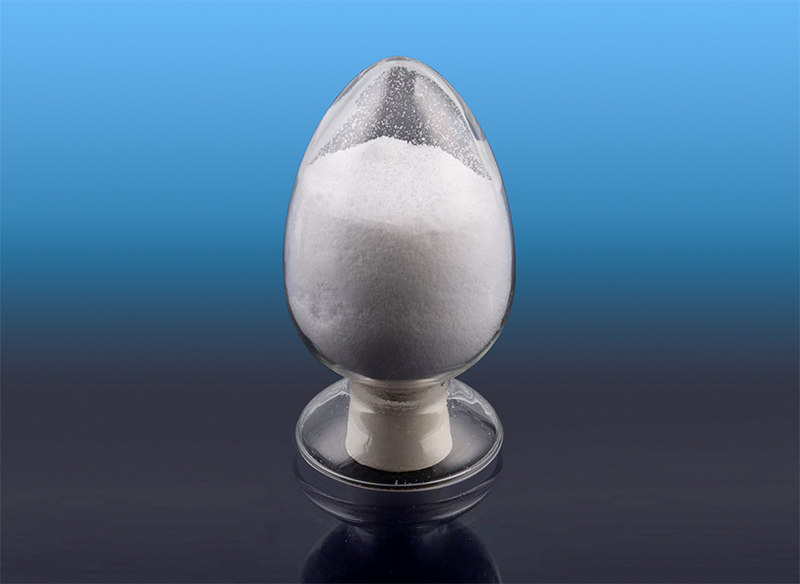 Zhongli Hydrogenated SEBS Block Copolymer GradesThese hydrogenated SEBS grades offer an upgrade from SBS with better aging resistance and compatibility with polyolefins. They support plastic modification, TPE, sealing, and medical uses, easing qualification while maintaining supply consistency.View Product →
What to Verify Before You Buy SBS
Once the datasheet looks right, three practical checks separate a smooth qualification from a production headache:
- Consistency of styrene content and hardness between lots. In-line process control and final testing catch drift before it reaches your factory.
- Melt flow and molecular weight distribution under your processing conditions, not just at the supplier's standard test temperature.
- Lot-to-lot color, clarity, and gel level, especially for adhesive and footwear compounds that go directly into visible consumer products.
Production discipline explains much of the gap between commodity SBS and engineering-grade SBS. Distributed control of the polymerization and hydrogenation steps, reliable pumps and metering systems, and multiple inspection points from raw material to finished bale are the kind of capabilities to look for in an audit. They are also the reason to prefer a manufacturer over a trader when the grade will be used in a certified recipe.
SBS block copolymer is not a single product but a family of engineering materials defined by block structure, molecular weight, architecture, and production quality. Matching those variables to the application - and choosing a supplier that controls them consistently - determines whether the finished bond, sole, or road surface performs as designed. Start from the property requirements, compare linear versus radial grades, decide whether hydrogenation is necessary, and verify the upstream process before ordering scale-up trials.