Technological Advancement
Home / Capabilities / Technological Advancement
Process Technology Route

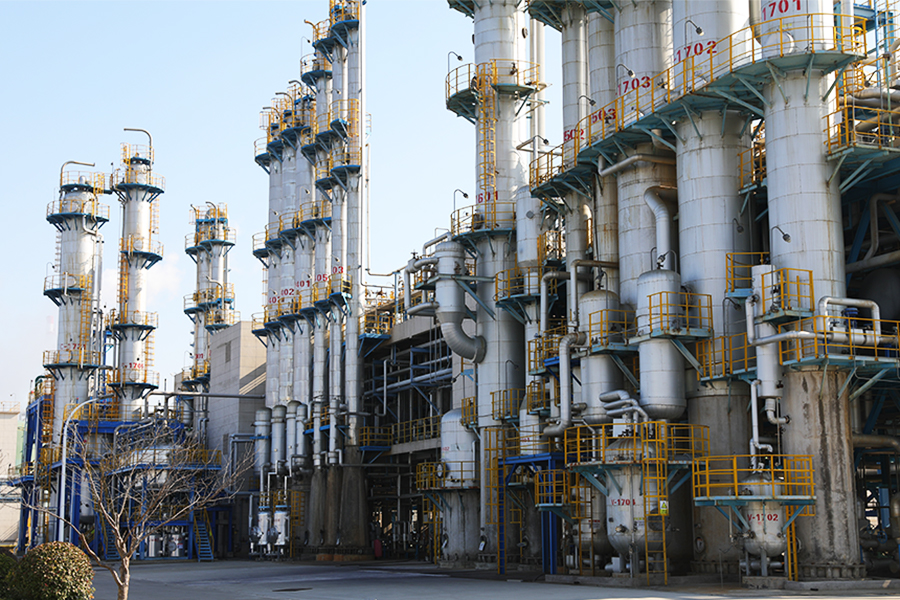
The equipment in this project is divided into processes such as polymerization, hydrogenation, desalination, blending, coagulation, post-treatment, and solvent recovery. High activity catalysts are used for selective hydrogenation, and the process flow has the characteristics of simple process, low production energy consumption, and low material consumption.
The design of the precursor for the production equipment of this project involves the process of anionic solution polymerization using styrene and butadiene (and/or isoprene) as monomers, cyclohexane as solvent, and alkyl lithium as initiator, followed by hydrogenation to obtain a thermoplastic elastomer precursor. The final product is obtained through various process steps such as desalination, blending, coagulation, and post-treatment.

Device Introduction

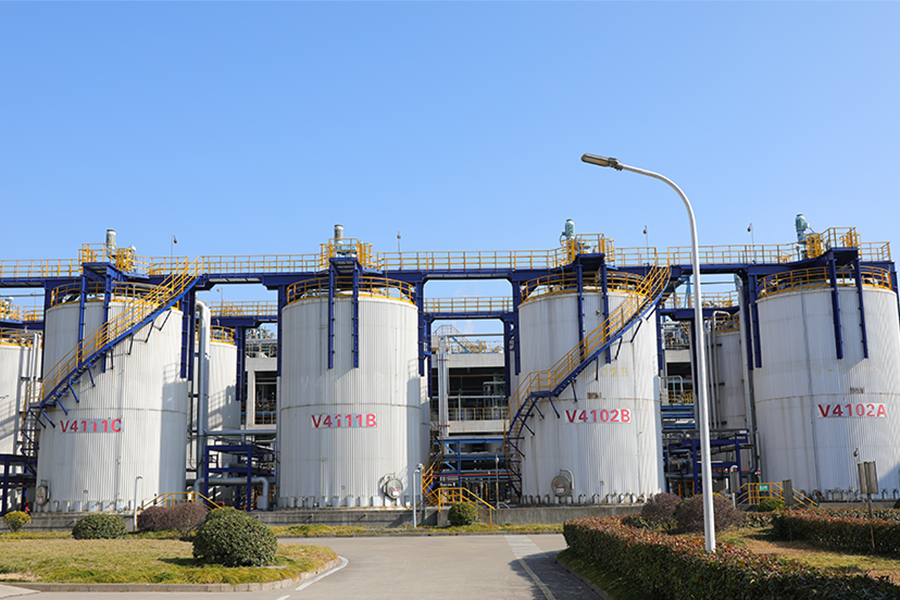
This project is divided into three phases of construction, and all equipment construction has been completed and put into production. The total production capacity is about 70000 tons/year. The first phase of the project is capable of producing high-end SBC elastic products such as SEBS and SEP (S). The second phase equipment has been upgraded and is capable of producing SBS and SEBS conventional thermoplastic elastomers. The third phase is high-end dedicated line products such as SEP (S). The main uses of our company's products are high-end thermoplastic elastomers, plastic modifications, adhesives, lubricant thickeners, filling materials for wires and cables, resin modifiers, adhesives, asphalt modifications, shoe materials, etc.

Progressiveness Of Process And Equipment

·Adopting the "narrow point design method" to optimize the heat exchange network, while using efficient heat transfer equipment to enhance heat exchange, ensuring a high heat recovery rate and low consumption of cold and hot utilities.
·Using PRO II large-scale process simulation software, heat exchange arrangements are made for each material according to its temperature level, in order to fully utilize the heat of each material, greatly reduce heating and cooling loads, reduce the area of heat exchangers and coolers, and achieve energy-saving and consumption reducing effects.
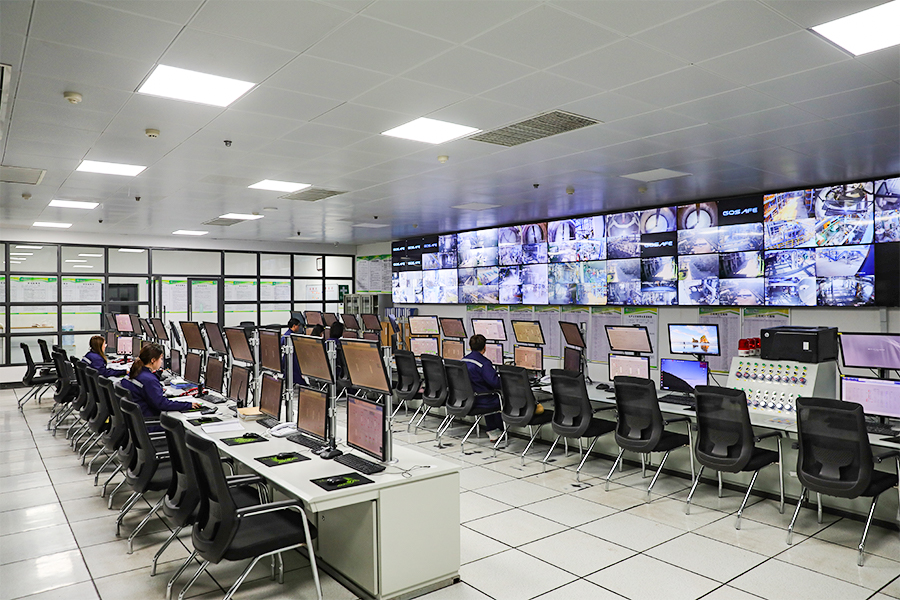
·All monitoring points, regulation control, and remote control circuits (including flow ratio and cascade complex regulation circuits) within the device (including electric equipment operation and stop signals) are monitored by DCS.
·The ceramic thermal storage material used in RTO equipment is a patented product of LANTEC Company in the United States. This product is a good thermal storage product for RTO equipment, which is more conducive to insulation and energy conservation.
·The sewage treatment system adopts ultrafiltration reverse osmosis device and MBR process. The sewage from the device can be mostly purified and reused at various water consumption points of the device. A small amount of sewage is discharged to the municipal sewage network after passing MBR treatment.