Language
 English
 中文简体
 Español
 русский

 +86-15268315011


Thermoplastic Marking Paint: Resin Selection, Application, and Durability
Thermoplastic marking paint is not a liquid coating that dries. It is a hot-melt road marking material, supplied as powder or granules, heated on site, and applied while molten. As it cools, it forms a thick line with reflective beads locked into the surface. That process looks simple, but the result depends on a careful balance of resin, polymer modifier, plasticizer, pigment, filler, and glass beads. A well-made system stays crisp under traffic. A poorly balanced one can soften, smear, or lose beads early. This guide covers the formulation and application choices that matter most.
Content
- 1 What Thermoplastic Marking Paint Really Is
- 2 Resin and Polymer Modifiers: The Difference Between Hard and Durable
- 3 Application Is a Thermal Process, Not a Paint Job
- 4 Why Thermoplastic Marking Paint Softens
- 5 Matching the Paint to Climate and Road Type
- 6 Quality Control That Prevents Expensive Surprises
What Thermoplastic Marking Paint Really Is
Thermoplastic road marking is a 100% solids system. The binder is usually hydrocarbon resin, polymer modifier, and a small amount of plasticizer. Pigment provides color, glass beads provide retroreflection, and mineral filler adds bulk and controls cost. The mix is heated until uniform, then applied by screed, extrusion, or spray. Bonding happens by heat transfer: hot material wets the pavement, cools, and forms a continuous film. Because the line is thick, often 1.5 to 2.5 mm, it can carry beads and resist abrasion, but application temperature and surface condition have nowhere to hide.
| Component | Main role | Typical starting range | Watch point |
|---|---|---|---|
| Resin binder | Film formation, adhesion, flow | 15-20% | Low softening point or too little resin |
| Polymer modifier | Elasticity, toughness, heat resistance | 1-5% | Wrong modifier type or poor dispersion |
| Plasticizer | Lower viscosity, improve wet-out | 2-5% | Excess softens the line |
| Pigment | Color and hiding power | 5-10% | Poor dispersion or off-spec color |
| Glass beads | Retroreflection and wear resistance | 20-30% | Weak bead retention or dirty beads |
| Filler | Bulk, hardness, cost control | Balance, often 30-50% | Excess filler reduces binder strength |
Resin and Polymer Modifiers: The Difference Between Hard and Durable
Resin is the backbone of the film. It controls softening point, melt viscosity, adhesion, and how quickly the line sets. If resin content is too low, or the resin has a low softening point, the paint may feel acceptable in the kettle but soften too much on a hot road. Too much resin can make the melt sticky and hard to apply cleanly. Plasticizer is equally sensitive: a small amount improves flow and wet-out, but excess plasticizer stays in the film and acts as a softener.
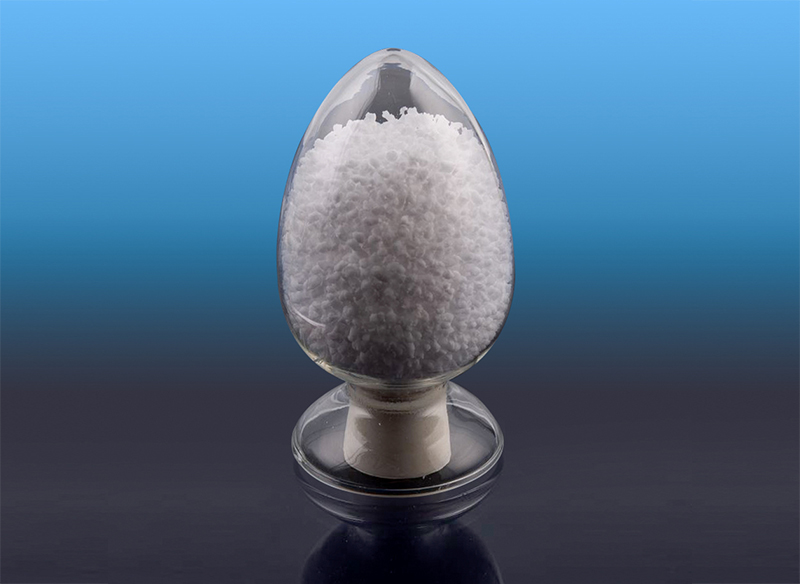
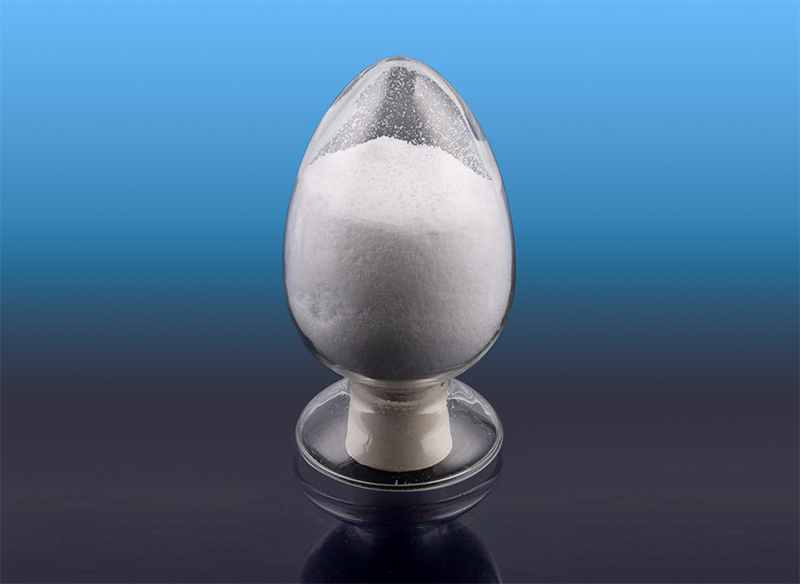
Polymer modifiers do a different job. They build an elastic network inside the resin matrix, improving toughness, low-temperature flexibility, and resistance to traffic-induced cracking. SBS is a practical, cost-effective modifier for many standard systems. Hydrogenated SEBS brings better thermal and UV stability when properly dispersed, which matters on sun-exposed roads and in hotter climates. The right choice is not simply "more polymer." It is the modifier that matches the resin, the climate, and the application method. For a closer look at how these polymers behave in road marking compounds, see our guide to SBS and SEBS polymer modifiers in thermoplastic road marking.
 Zhongli ZHOPOLY SBS-NOE H-Series Styrene-Butadiene Block CopolymerA practical SBS modifier series for asphalt and polymer systems, offering low-temperature performance and easy processing; relevant when matching modifier choice to resin and climate.View Product →
 Hydrogenated SEBS Thermoplastic Elastomer for Plastic and TPE ApplicationsWeather-resistant hydrogenated SEBS series with high elasticity and compatibility, suited to plastic modification, TPE, film, sealing, and medical applications across multiple grades.View Product →
In our own work with SBS and SEBS, the most common formulation issue is not a missing ingredient. It is a mismatch between resin softening point, modifier level, and the climate where the line will be used.
Application Is a Thermal Process, Not a Paint Job
Most field failures start before the line has cooled. Thermoplastic marking paint is normally applied between about 180°C and 220°C, but the supplier's recommended range should always take priority. Too cool and the material may not fuse properly; too hot and the binder can degrade or become too fluid. Dust, oil, moisture, and loose aggregate prevent proper wetting, and damp pavement can cause steam pockets under the film.
A practical application sequence
- Confirm the pavement is clean, dry, and within the specified surface temperature range.
- Heat the material evenly to the recommended application temperature, stirring to avoid hot spots.
- Check flow and consistency against the approved sample, not by eye alone.
- Apply at the specified thickness and width, keeping equipment speed steady.
- Drop glass beads immediately while the surface is still open and tacky.
- Allow controlled cooling and protect the line from traffic until it has set.
Thickness is a common blind spot. A line that is too thin cools too quickly and may not bond; a line that is too thick can stay soft longer and deform under early traffic. Cooling speed matters as well. In cold weather, the surface may set before beads anchor properly. In hot weather, the line may remain vulnerable to scuffing for longer than the crew expects.
Why Thermoplastic Marking Paint Softens
Softening is rarely caused by one factor. It usually appears when formulation, application, and environment line up against the film. A resin with a low softening point, insufficient resin content, or too much plasticizer will leave the line more sensitive to heat. Excess filler can reduce binder strength and make the surface chalky or brittle. Poor pigment dispersion is less obvious, but it can create local weak points.
Application and environmental checks
- Low application temperature can prevent proper fusion between particles and pavement.
- Over-thick films retain heat and may remain soft under early traffic.
- Damp or oily pavement interferes with adhesion and can cause blistering.
- High pavement temperatures and prolonged UV exposure accelerate aging, especially in non-hydrogenated systems.
- Rain soon after application can cool the surface unevenly and damage uncured beads.
If a line softens in service, compare the failed area with the original formulation record, application temperature, film thickness, and weather during installation. That evidence is more useful than guessing from appearance alone.
Matching the Paint to Climate and Road Type
There is no universal thermoplastic marking paint. A busy intersection in a hot climate needs a binder with enough softening point and polymer modification to resist rutting and pickup. A mountain road or cold-climate site needs flexibility so the line does not crack as the pavement moves. Urban streets, highways, parking lots, and airport aprons also differ in traffic load and surface texture. Well-applied lines commonly deliver several years of service, with four to six years realistic in favorable conditions. When specifying, look beyond color and price. Ask for ring-and-ball softening point, flow or viscosity data, low-temperature flexibility, adhesion performance, bead retention, and the supplier's recommended application window. A trial patch on the actual pavement is often the cheapest quality check available.
Quality Control That Prevents Expensive Surprises
Good road marking starts with incoming material control. Resin softening point, polymer identity, plasticizer content, filler moisture, pigment dispersion, and glass bead quality all affect the final compound. In production, mixing temperature and time must be controlled closely enough to disperse the polymer without degrading the resin. Our own lines use DCS-controlled polymerization and multiple inspection steps from raw material to finished product, because small process drift can show up later as softness, poor flow, or weak bead bonding.
For buyers, a practical checklist helps:
- Request the formulation range and typical test data, not only a single certificate.
- Confirm the polymer modifier type and whether it is hydrogenated.
- Check softening point, flow, adhesion, and bead retention against the road specification.
- Verify packaging, storage conditions, and shelf life before bulk delivery.
- Run a trial patch and inspect it after real traffic and weather exposure.
Thermoplastic marking paint performs best when it is treated as an engineered hot-melt system rather than a commodity powder. Resin quality, modifier selection, plasticizer balance, filler level, application temperature, film thickness, and surface preparation all leave a signature on the finished line. Teams that control those variables, and verify them with real test data, get more than a bright line on day one. They get a marking that stays visible, stable, and safe through the seasons.