Language
 English
 中文简体
中文简体 Español
 русский
 +86-15268315011


SEPS Processing Temperature: Why 180-230°C Works for Styrene-EP-Styrene Resin
SEPS, short for styrene-ethylene-propylene-styrene, sits at the high-performance end of the styrenic block copolymer family, and it behaves quite differently in the barrel from its unsaturated relatives. Ask anyone who runs it every day and you will hear the same numbers repeated: keep the melt between 180 and 230°C. That band is not a rule of thumb copied from an old handbook. It comes from how the saturated midblock softens, how the polystyrene end blocks release their grip, and how much thermal headroom the polymer has before degradation begins.
This guide explains the reasoning behind the window, what happens on either side of it, and how to turn 180-230°C into practical settings for extrusion, injection molding, and film or blow molding lines.
Content
- 1 Understanding the Polymer Behind the Numbers
- 2 Why 180°C to 230°C Has Become the Practical Window
- 3 What Happens at Each Temperature Band
- 4 Translating the Window into Machine Settings
- 5 Reading the Rheology to Confirm the Window
- 6 How SEPS Compares with SBS and SEBS
- 7 Common Problems and the Temperature Fixes That Work
- 8 Practical Rules for Stable SEPS Processing
- 9 Grade Selection and Technical Support
Understanding the Polymer Behind the Numbers
SEPS starts life as a styrene-isoprene-styrene block copolymer. Hydrogenation saturates the isoprene midblock and turns it into an ethylene-propylene rubber segment, removing almost all of the carbon-carbon double bonds that leave SIS vulnerable to heat, oxygen, and ultraviolet light. What remains is a two-phase material: hard polystyrene domains that act as physical crosslinks, and a soft rubbery midblock that supplies the elasticity.
That structure explains the processing temperature. Below the glass transition of the polystyrene domains, around 100°C, the polymer behaves like a crosslinked rubber — it softens but it does not flow. Genuine melt flow needs enough thermal energy to loosen the ordered polystyrene domains, and in a typical commercial grade that point arrives near 170-180°C. Beyond it, viscosity falls steadily, which is why 180°C marks the practical floor and 230°C the sensible ceiling.
Why 180°C to 230°C Has Become the Practical Window
Run SEPS below 180°C and the symptoms are hard to miss: unmelted gels, rough and dull surfaces, high screw torque, drifting melt pressure, and weak weld lines in molded parts. The polymer is simply not fluid enough to fill a die or a cavity evenly, and no amount of extra pressure compensates for a melt that has not fully relaxed.
At the other end of the range, pushing past 230°C begins to cost more than it gains. Thermal-oxidative degradation accelerates, gels and black specks appear, colours drift toward yellow, and a faint burnt odour can develop — a clear sign that temperature and residence time are working against you. The saturated midblock is far more forgiving than the double bonds in SIS, but it is not immune.
Between those limits, 190-215°C is where most lines settle. It is hot enough for uniform melting and stable pressure, yet cool enough to preserve the melt strength that extrusion and blow molding depend on.
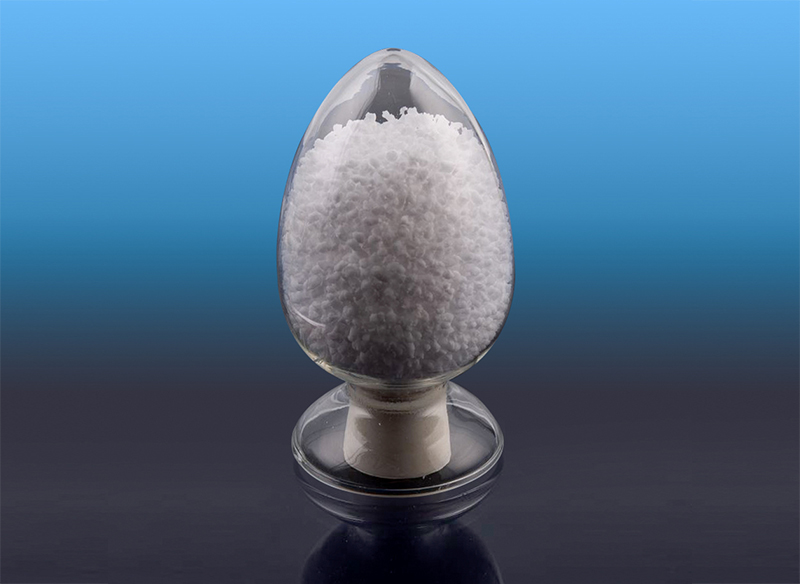
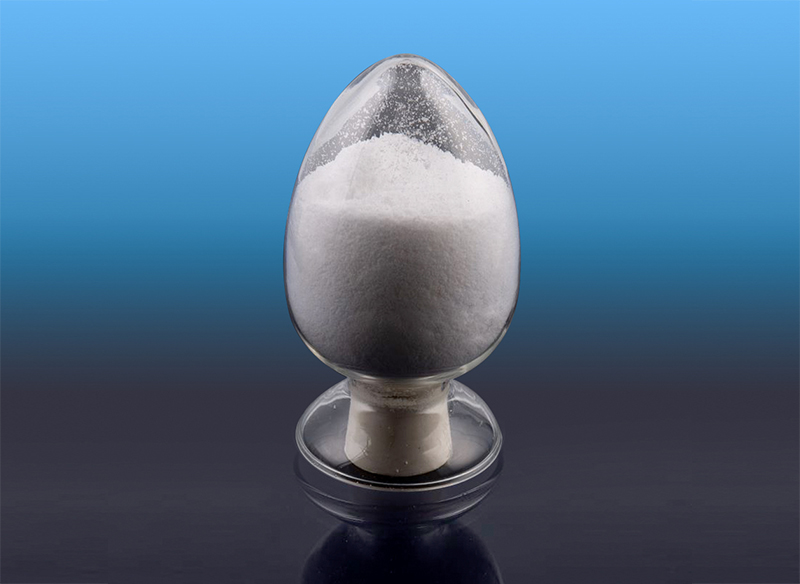 Hydrogenated Styrene-Isoprene Block Copolymer(SEP(S))Zhongli SEP series are (styrene-ethylene/propylene) block copolymers synthesized with styrene and isoprene as monomers. It can be divided into linear and star types ac...View Product →
What Happens at Each Temperature Band
Treating 180-230°C as one flat number misses the point. Viscosity, melt strength, and surface quality all shift measurably across that span, and the process you run should decide where inside it you sit.
| Melt temperature | Melt behavior | Best suited processes |
|---|---|---|
| 180-190°C | Highest viscosity, strongest melt | Profile extrusion, blow molding, sheet |
| 190-205°C | Balanced flow and melt strength | Compounding, cast film, hot-melt adhesives |
| 205-230°C | Lowest viscosity, fastest fill | Injection molding, thin-wall parts, high-speed lines |
The table is a starting map rather than a prescription. Regrind content, oil extension, and molecular weight will all nudge the optimum, often by five to ten degrees in either direction.
Translating the Window into Machine Settings
Extrusion
On a single-screw line, a typical profile is 150-170°C at the feed, 180-200°C through the compression zone, and 190-215°C at the metering zone and die. Keep the die slightly cooler than the last barrel zone when surface finish matters, and trust melt pressure readings more than the setpoints on the panel.
Injection molding
Barrels normally run 200-230°C, with the nozzle at 205-225°C and moulds between 20 and 50°C. Thin walls and long flow paths justify the top of the range; thick sections are better served at 205-215°C, where lower shear keeps internal stress and shrinkage under control.
Blow molding and film
Parison and film lines prefer 185-205°C. Melt strength matters more than flow here, and going above 210°C usually buys faster throughput at the expense of bubble stability and drawdown.
Reading the Rheology to Confirm the Window
SEPS is strongly shear-thinning, which means the viscosity measured in a low-shear capillary test is very different from what the screw actually experiences. A practical approach is to raise the temperature in 5°C steps and log melt pressure at constant output. Early in the window, pressure falls quickly with each step. Once the drop flattens to a few percent, extra heat is buying very little and is only shortening the safety margin. Die swell and the onset of melt fracture tell the same story: they shrink as the melt relaxes, then stop improving once you are past the useful part of the curve.
How SEPS Compares with SBS and SEBS
All three grades share polystyrene end blocks, so the differences come from the midblock. Across the wider hydrogenated block copolymer range, the same processing logic applies with different numbers attached.
- SBS is unsaturated and processes far cooler, typically 150-200°C, but its double bonds limit thermal and UV stability.
- SEBS carries a saturated ethylene-butylene midblock and runs comfortably from roughly 190 to 240°C.
- SEPS uses a saturated ethylene-propylene midblock and sits at 180-230°C, offering better oil uptake, lower density, and higher clarity than SEBS in many soft formulations.
In practice the choice often comes down to the finished property rather than the temperature, because SEPS tends to win where oil loading, transparency, or soft-touch feel matter most.
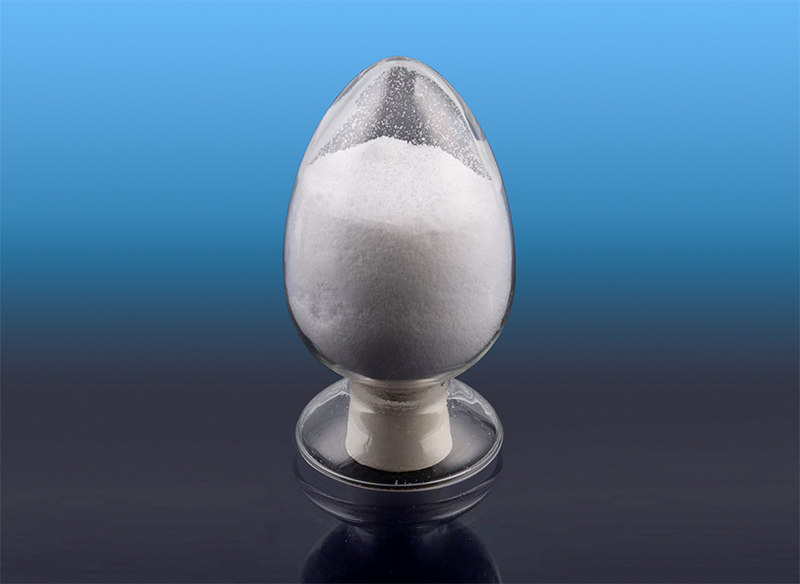 Hydrogenated Styrene-Butadiene Block Copolymer(SEBS)Zhongli hydrogenated styrene-butadiene block copolymer is a thermoplastic elastomer prepared by hydrogenation based on Zhongli SBS. It has excellent properties such as...View Product →
Common Problems and the Temperature Fixes That Work
- Rough, unmelted surface or visible gels — raise the last two barrel zones by 5-10°C and check that the feed throat is not bridging.
- Yellowing or a faint burnt odour — drop 10°C, shorten residence time, and confirm the screw is not dead-heading against a closed valve.
- Black specks or degraded spots — purge thoroughly; these usually point to old material sitting in dead zones rather than to the current setpoint.
- Weak weld lines or short shots — raise the nozzle and front zone by 5°C before touching injection pressure or speed.
- Excessive die swell or an unstable parison — lower the melt temperature slightly and re-check drawdown and cooling.
Practical Rules for Stable SEPS Processing
- Start near 195-200°C and adjust in 5°C steps, logging every change against melt pressure and surface quality.
- Keep residence time short; a hot melt that sits in the barrel is worse than a cooler one that keeps moving.
- Dry the resin when it has been stored in humid conditions, particularly for film and adhesive work.
- Purge between grades with a polyolefin or a commercial purge compound rather than relying on the next batch to clean the line.
- Record the settings that work — grade, moisture, regrind ratio, and screw speed — so the next run starts from a known point.
Grade Selection and Technical Support
Molecular weight, styrene content, and oil extension all move the optimum, so the same 180-230°C window can feel generous on one grade and tight on another. Higher molecular weight grades generally want the upper half of the range for flow while holding the lower half for melt strength; oil-extended grades flow earlier and tolerate the cooler end. Where SEPS is used in plastic modification, compounding temperature also has to respect the polyolefin carrier, which usually pulls the practical setpoint toward 200-215°C.
Consistency is what keeps that window stable from lot to lot. Zhejiang Zhongli Synthetic Material Technology runs its SEPS and hydrogenated block copolymer production on Yokogawa DCS control systems, with eight inspection steps between raw material intake and dispatch, so molecular weight and block structure stay within the design envelope that your temperature settings were built around.
Keep the melt between 180 and 230°C, stay near the middle of that band unless a specific process demands otherwise, and let melt pressure and surface quality tell you whether the setting is right. The window is wide enough to work with comfortably — the trick is knowing where inside it your grade and your line want to be.