Language
 English
 中文简体
中文简体 Español
 русский
 +86-15268315011


Styrene Butadiene Styrene Block Copolymer: Properties, Uses & Selection Guide
Styrene butadiene styrene block copolymer—commonly known as SBS—is one of the most versatile thermoplastic elastomers (TPE) in modern manufacturing. It combines the processing convenience of a thermoplastic with the elasticity and resilience of rubber, which is why it appears in products ranging from durable asphalt pavements to soft-touch footwear, adhesives, and impact-modified plastics.
At Zhejiang Zhongli Synthetic Material Technology Co., Ltd., we produce SBS under tightly controlled conditions, supported by advanced polymerization technology and a comprehensive quality inspection system. This guide explains what styrene butadiene styrene block copolymer is, how its molecular architecture affects performance, and how to select the right grade for your application.
Content
What Is Styrene Butadiene Styrene Block Copolymer?
SBS is a block copolymer built from three segments: a soft polybutadiene mid-block located between two hard polystyrene end blocks. At room temperature, the polystyrene domains aggregate to form physical crosslinks, creating a network that gives SBS its strength and elasticity. When heated, the domains soften; the material flows and can be processed like a thermoplastic. When it cools, the network re-forms and rubber-like flexibility returns.
Because SBS does not require chemical vulcanization, it can be injection molded, extruded, and coated far more efficiently than conventional rubber. This combination of elastic performance and thermoplastic processability explains why SBS remains a cornerstone of the TPE family.
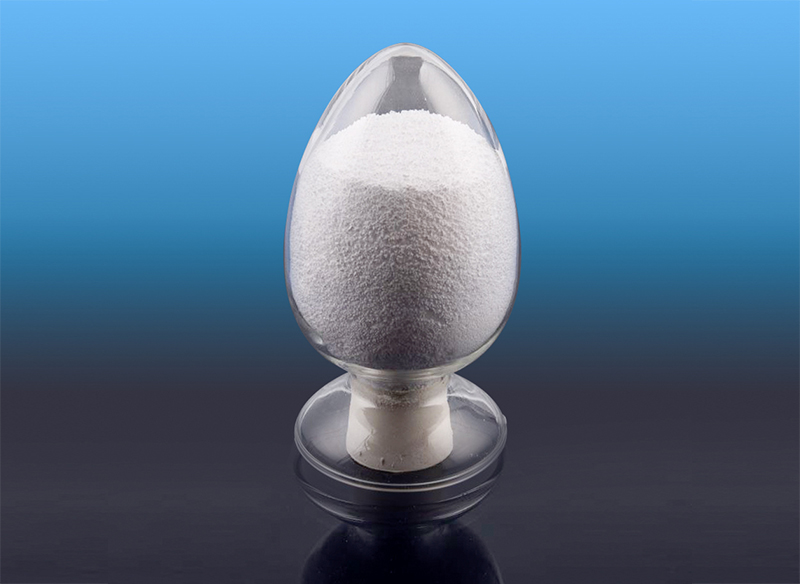
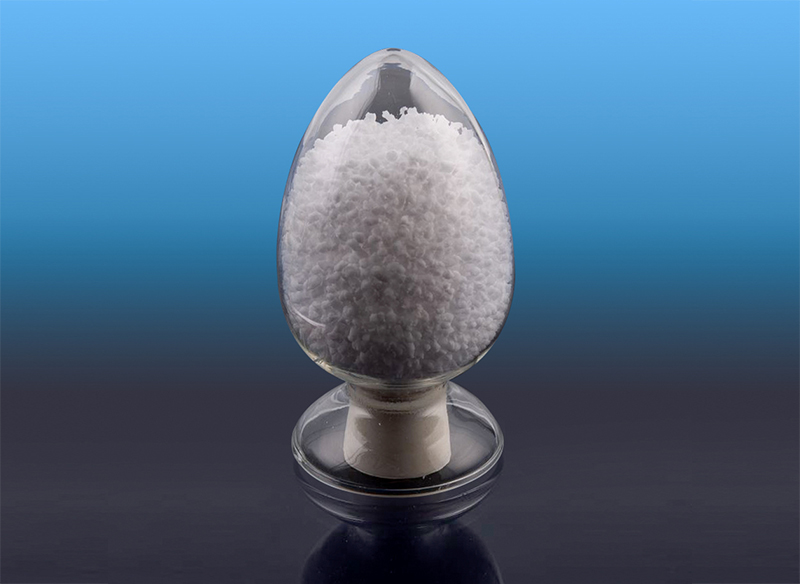 Styrene-Butadiene Block Copolymer (SBS) for Thermoplastic ProcessingThis SBS grade combines rubber-like elasticity with thermoplastic processability, making it suitable for injection molding, extrusion, and coating. Its high friction coefficient and low-temperature performance are highlighted for use in asphalt, adhesives, and footwear.View Product →
SBS Molecular Architecture: Linear vs. Radial
Not all SBS is created equal. The chain architecture—linear or radial—has a direct impact on processing behavior and final performance.
Linear SBS
Linear molecules form long, straight chains. They generally deliver higher tensile strength, better transparency, and strong film-forming character. These attributes make linear grades popular in pressure-sensitive adhesives, sealants, and clear compounds.
Radial SBS
Radial molecules branch outward from a central coupling point. At equivalent molecular weight, radial SBS has lower melt viscosity, which improves flow and mold filling. Radial grades are common in asphalt modification, shoe compounds, and plastic blending.
The styrene-to-butadiene ratio, block length, and molecular weight distribution all fine-tune hardness, elasticity, and melt flow. Working with a producer who understands structure-property relationships can reduce your formulation work substantially.
| Parameter | Linear SBS | Radial SBS |
|---|---|---|
| Melt viscosity | Higher | Lower |
| Tensile strength | Higher | Good |
| Transparency | Better | Moderate |
| Typical uses | Adhesives, films | Asphalt, compounds |
How SBS Is Polymerized
Styrene butadiene styrene block copolymer is produced by living anionic polymerization in a hydrocarbon solvent. The process starts with styrene monomer, followed by butadiene, and then a second charge of styrene, all in an oxygen- and moisture-free environment. Because the active chain ends remain live throughout the reaction, the producer can control block length and achieve a narrow molecular weight distribution.
This precision matters. A narrow distribution means more consistent hardness, melt flow, and mechanical properties in the final product. At Zhongli, we use advanced Yokogawa DCS control systems and internationally recognized process equipment, and we maintain eight inspection checkpoints from raw material intake to finished product packaging. The result is batch-to-batch consistency that protects your downstream process.
Key Properties of SBS Block Copolymer
Several properties make SBS the preferred material for product designers and compounders:
- Elasticity and resilience: SBS returns to its original shape after repeated deformation, making it suitable for soles, grips, and flexible parts.
- Wide hardness range: Hardness can be adjusted from soft gel-like compounds to semi-rigid impact modifiers by varying styrene content and plasticizer loading.
- Low-temperature flexibility: SBS remains flexible in cold environments, often outperforming flexible PVC and many polyolefins.
- Good transparency: Selected grades provide optical clarity for packaging and consumer products.
- Compatibility: SBS blends well with polystyrene, polyolefins, bitumen, and tackifying resins, broadening the formulation window.
For a deeper look at mechanical data and testing approaches, see our overview of styrene butadiene block copolymer properties and uses.
Major Industrial Applications
SBS is a workhorse material across multiple industries. The most established applications include:
- Asphalt modification: SBS improves the high-temperature rutting resistance and low-temperature crack resistance of asphalt. Radial grades are often preferred for their quick dissolution and easy dispersion in hot bitumen. You can learn more on our asphalt modification application page.
- Adhesives and sealants: The elastic mid-block provides tack, cohesion, and peel strength in pressure-sensitive adhesives, hot-melt adhesives, and sealants.
- Footwear: SBS delivers comfort, slip resistance, and stable foaming behavior in shoe soles and midsoles.
- Plastic modification: SBS acts as a trusted impact modifier for polystyrene and selected polyolefin systems, improving toughness without sacrificing processability.
- Consumer goods: Soft-touch handles, toys, and daily accessories rely on the pleasant, grippy feel of SBS compounds.
SBS vs. Hydrogenated SBS (SEBS)
When an application demands higher aging resistance, better UV stability, or continuous service at elevated temperatures, hydrogenated styrene-butadiene block copolymer—SEBS—is often the better choice. Hydrogenation saturates the double bonds in the polybutadiene mid-block, improving thermal and oxidative stability while preserving much of the original elasticity.
SBS remains a cost-effective, high-performance option for indoor, moderate-temperature, and non-oxidative environments. SEBS, by contrast, is preferred in automotive interior components, outdoor weather seals, and long-life consumer products.
| Factor | SBS | SEBS |
|---|---|---|
| UV and oxidation resistance | Moderate | High |
| Service temperature range | Moderate | Wider |
| Cost efficiency | Higher | Higher cost |
| Typical uses | Footwear, asphalt, PSA | Automotive, medical, outdoor |
If your product requires long-term durability in demanding conditions, a hydrogenated grade may be worth the investment.
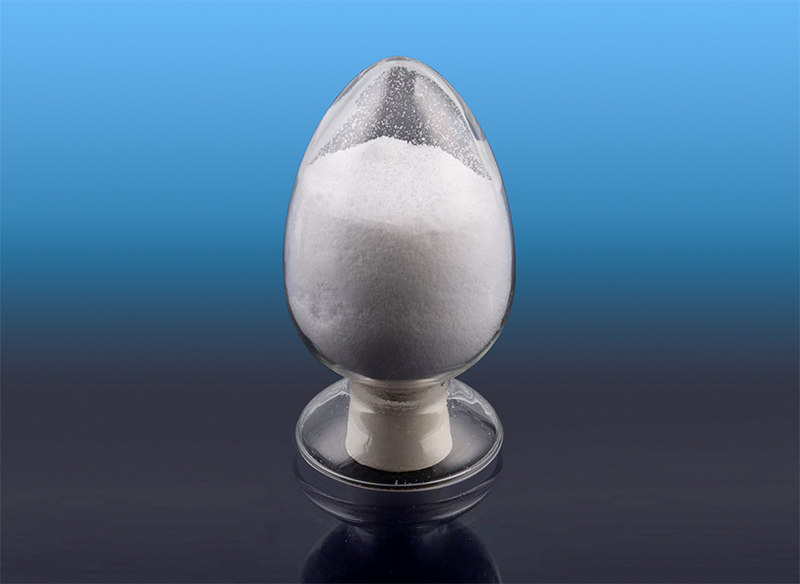 Hydrogenated Styrene-Butadiene Block Copolymer (SEBS) GradesThese hydrogenated SEBS grades offer improved aging resistance, weatherability, and compatibility with polyolefins and polystyrene. They are designed for demanding applications such as plastic modification, sealants, and medical products, where long-term durability is essential.View Product →
How to Choose the Right SBS Grade
Selecting the appropriate styrene butadiene styrene block copolymer depends on your processing method and end-use requirements. Keep these factors in mind:
- Styrene content: Higher styrene increases hardness and tensile strength while reducing elasticity.
- Molecular weight: Higher molecular weight improves mechanical properties but raises melt viscosity and processing temperature.
- Architecture: Linear grades suit films and adhesives; radial grades suit asphalt and high-flow compounding.
- Additive system: Plasticizers, tackifying resins, fillers, and stabilizers all modify hardness, adhesion, and durability.
Working directly with the producer simplifies grade selection. Our technical team can recommend a styrene butadiene styrene block copolymer grade that matches your equipment and performance targets. If you need superior aging resistance or compatibility with polar materials, we also offer hydrogenated variants, including SEBS and hydrogenated styrene-isoprene block copolymers.
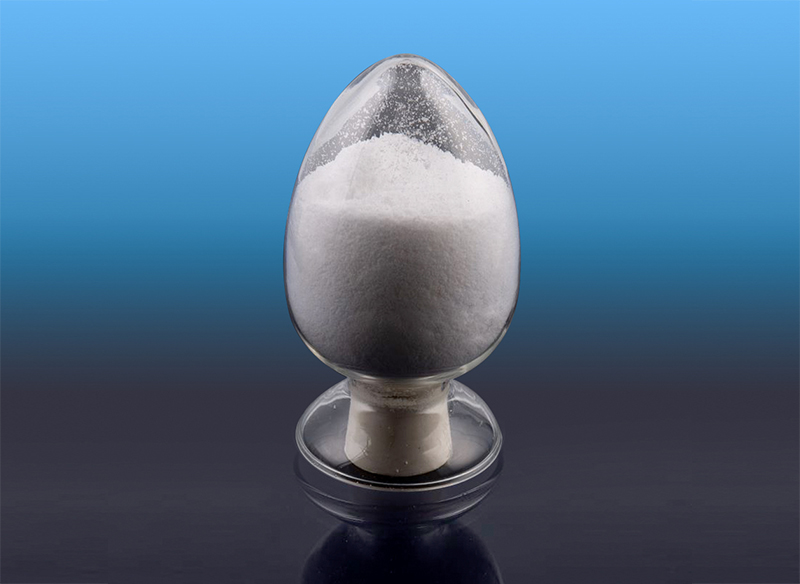 Hydrogenated Styrene-Isoprene Block Copolymer (SEP/S) for Rheology ControlThis SEP/S series provides oil solubility, transparency, and thickening properties, making it a key rheology modifier for cable filling compounds, cosmetics, and lubricants. It also includes linear grades with compatibility for mineral oil and styrene-based systems.View Product →
Styrene butadiene styrene block copolymer continues to be a foundational material in the thermoplastic elastomer family. Its balance of elasticity, processability, and cost makes it a reliable choice across industries, and a clear understanding of its structure helps you improve formulation efficiency and product quality.
Zhejiang Zhongli Synthetic Material Technology Co., Ltd. combines advanced production systems with a research-driven team to deliver consistent SBS and hydrogenated block copolymers for customers around the world. If you would like to discuss your application or request samples, contact our team.