Hydrogenated Block Copolymer Factory

Hydrogenated Block Copolymer Manufacturers

-- Steady & Reliable Manufacturer --

Product Overview

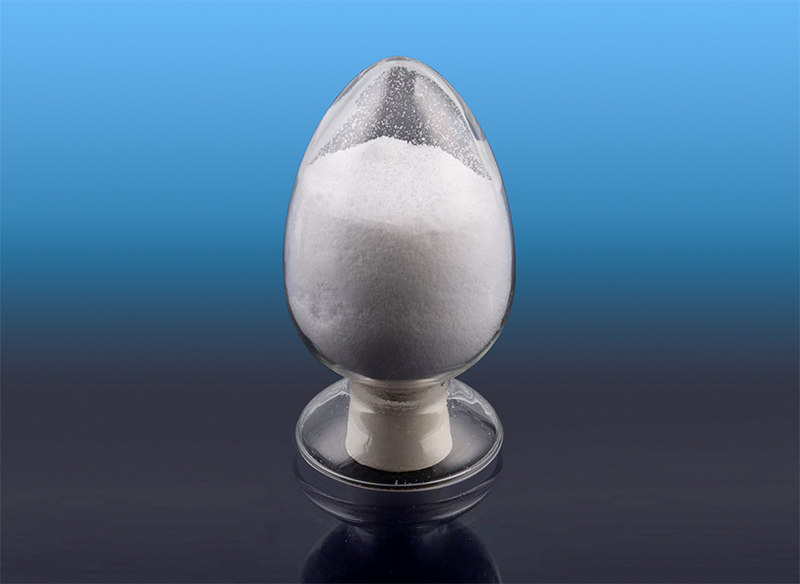
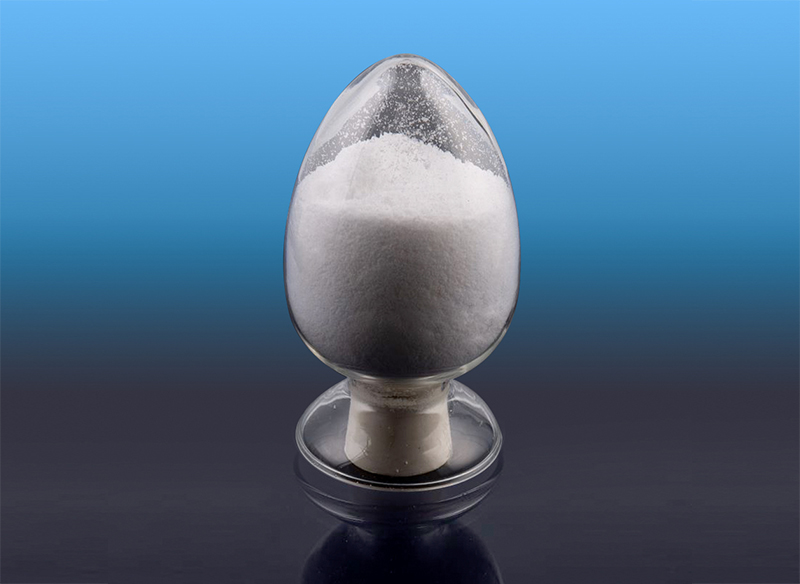
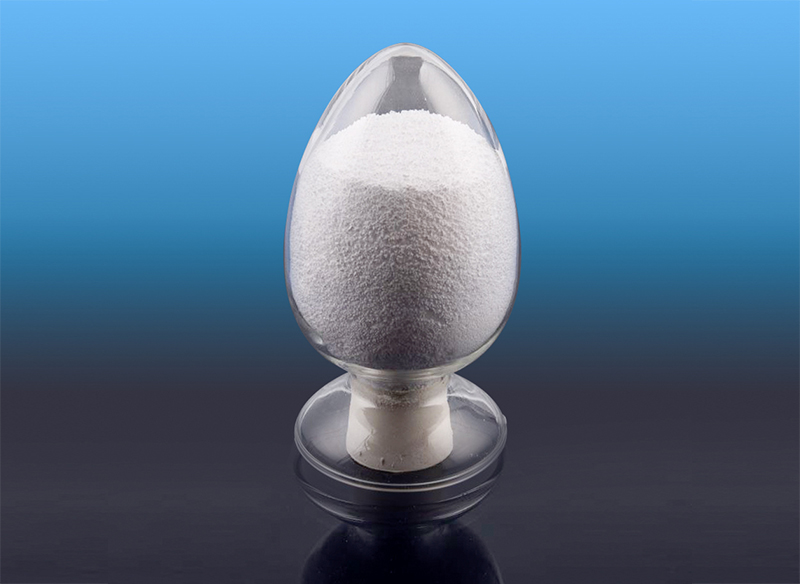
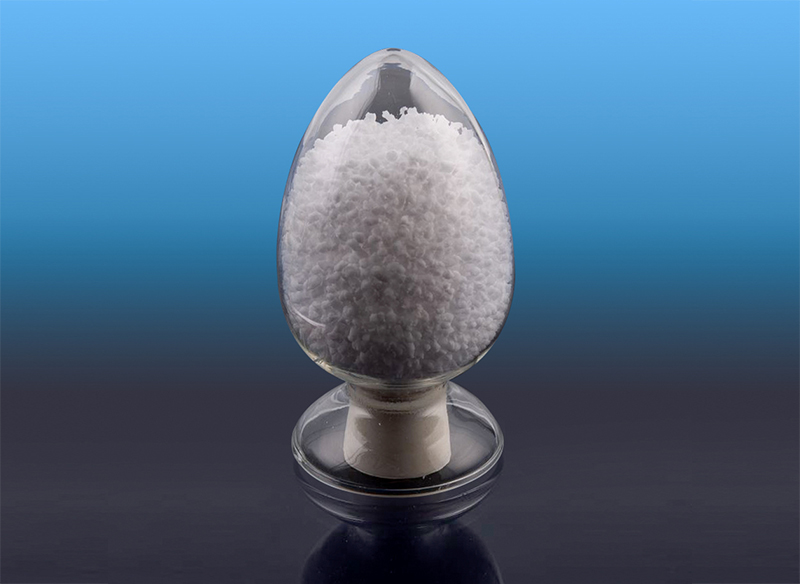
Zhongli's Hydrogenated Block Copolymer series — encompassing SEBS, SEP, SEPS, and EP grades — represents the next generation of styrenic thermoplastic elastomers, engineered for applications where standard SBS falls short. Through a catalytic hydrogenation process that saturates the residual double bonds in the polymer backbone, these materials achieve a dramatic improvement in thermal stability, UV resistance, and chemical inertness without sacrificing the thermoplastic processability that makes block copolymers so commercially attractive.

Manufactured at Zhejiang Zhongli Synthetic Material Technology Co., Ltd. under ISO 9001-certified conditions, each grade is produced with tightly controlled molecular weight distribution and styrene content, verified by in-line GPC and NMR analysis. Whether your application calls for a tough polyolefin modifier, a UV-stable adhesive base polymer, a viscosity index improver for synthetic lubricants, or a soft-touch compound for medical devices, the Zhongli hydrogenated copolymer portfolio provides a verified, consistent, and scalable solution — available in pellet or solution form with global logistics support from Ningbo and Shanghai ports.

welcome!
get a quote
ZHONGLITEC

The development of Zhongli Technology's product series has gone through stages such as (1) universal grade SBS and SEBS, (2) special specification SEBS and universal grade SEPS, and (3) special specification SEP (S).
Technical Specification Sheet

Parameter Detail
Product TypesSEBS (linear & star), SEP (diblock), SEPS (triblock), EP (star)
Styrene Content Range0 – 35% (grade-dependent)
Hydrogenation Rate≥98% C=C double bond saturation
Molecular Weight Range50,000 – 300,000 g/mol (Mw, by GPC)
Hardness RangeShore A 30 – 95 (formulation-dependent)
Service Temperature−60°C to +150°C (grade-dependent)
Tensile Strength≥15 MPa (SEBS linear grades, ISO 37)
Elongation at Break≥600% (SEBS linear grades, ISO 37)
Oil CompatibilityMineral oil, white oil, paraffin, naphthenic oil, synthetic esters
Processing MethodsExtrusion, injection molding, solution compounding, hot-melt blending
Product FormPellet, crumb, or pre-dissolved solution
Packaging25 kg kraft bags; 500 kg / 1,000 kg jumbo bags
CertificationsISO 9001; REACH compliant; RoHS compliant; food-contact grades available

* All data measured under standard conditions (23°C, 50% RH). Grade-specific technical datasheets available on request.

Key Features

  • Full Backbone Saturation for Long-Term Durability: Catalytic hydrogenation achieves ≥98% saturation of mid-block double bonds, eliminating the primary sites for thermal oxidation and UV attack — delivering a service life 3–5× longer than non-hydrogenated SBS in comparable conditions.
  • Broad Compatibility by Design: Mid-block polarity is engineered to match target matrices — polyolefin-compatible grades for PP/PE modification, oil-soluble grades for lubricants and gels, and low-polarity grades for asphalt and adhesive applications — reducing the need for compatibilizers.
  • True Thermoplastic Processing, No Vulcanization: All grades are melt-processable via standard extrusion and injection molding equipment, eliminating cure time, sulfur chemistry, and cross-linking steps — reducing energy consumption and simplifying production scheduling.
  • Narrow Molecular Weight Distribution: Anionic polymerization followed by precision hydrogenation yields PDI values typically below 1.15, ensuring consistent melt flow, predictable mechanical performance, and tight batch-to-batch repeatability.
  • Comprehensive Grade Portfolio Under One Roof: SEBS, SEP, SEPS, and EP grades are all manufactured in-house at Zhongli's dedicated facility — enabling customers to source an entire hydrogenated copolymer portfolio from a single qualified supplier with unified quality documentation.

Application

  • Plastic & Polyolefin Modification: Blended with PP or PE to enhance impact resistance, flexibility, and low-temperature toughness in automotive parts, packaging films, and consumer goods.
  • Medical & Food-Contact Products: SEBS grades with low extractables are widely formulated into IV tubing, bottle stoppers, food-grade gaskets, and baby care items.
  • Adhesives & Sealants: Used as the base polymer in hot-melt pressure-sensitive adhesives (HMPSA), construction sealants, and roofing tapes requiring UV durability.
  • Wire & Cable Jacketing: Flame-retardant SEBS compounds provide halogen-free solutions for low-smoke wire insulation and cable sheathing.
  • Lubricant Additives: EP and SEP grades serve as viscosity index improvers (VII) in engine oils, gear oils, and hydraulic fluids demanding high shear stability.
  • Optical Cable Filling Gel: SEP/SEPS in paraffinic or naphthenic oil systems create the thixotropic gel used to protect optical fiber bundles from moisture ingress.
  • Asphalt Modification: High-MW SEBS improves rutting resistance and low-temperature crack resistance in polymer-modified bitumen (PMB) for roads and waterproofing membranes.
Message Feedback
ABOUT ZHONGLITEC
Coming From China,
Marketing To The World.
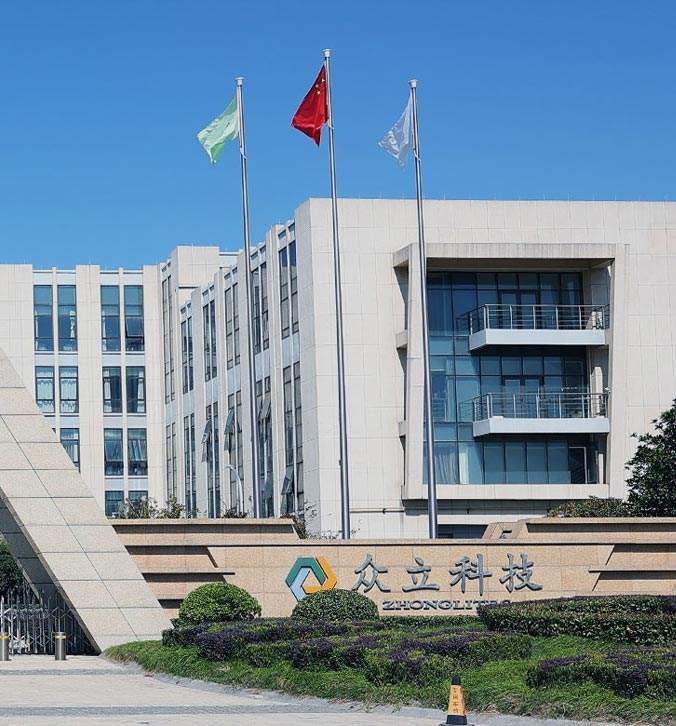
Zhejiang Zhongli Synthetic Material Technology Co., Ltd. is China Hydrogenated Block Copolymer Manufacturers and Wholesale Hydrogenated Block Copolymer Factory,was established in May 2015, invested by Zhejiang Zhongcheng Packing Material Co.,Ltd.(Share No.:002522).While the annual production of 120,000 tons of thermoplastic elastomer materials project was launched in November 2015.
Zhejiang Zhongli Synthetic Material Technology Co., Ltd. ABOUT US Zhejiang Zhongli Synthetic Material Technology Co., Ltd.

Zhejiang Zhongli Synthetic Material Technology Co., Ltd.
500 +

Cooperative Clients

  • Q: What is the difference between SEBS and SBS?
  • A: SBS contains unsaturated polybutadiene mid-blocks, making it susceptible to thermal and UV degradation. SEBS is produced by hydrogenating those double bonds, yielding a fully saturated mid-block (poly(ethylene-butylene)) that offers far superior heat resistance, weatherability, and chemical resistance. SEBS is generally preferred for outdoor, medical, and food-contact applications.
  • Q: Can SEBS replace SBS in asphalt modification?
  • A: Yes. High-MW SEBS grades provide better elastic recovery and UV durability versus SBS in polymer-modified bitumen (PMB). The trade-off is cost — SEBS is priced higher than SBS, so it is typically selected for premium roofing membranes or heavily trafficked road projects where long service life is critical.
  • Q: Are your hydrogenated copolymers food-contact safe?
  • A: Specific SEBS grades manufactured by Zhongli comply with FDA 21 CFR and EU 10/2011 regulations for food-contact materials. Please specify the intended application when requesting, and our team will recommend the correct grade and provide the corresponding compliance documentation.
  • Q: What is the minimum order for sample testing?
  • A: We provide 1–5 kg lab samples for qualification testing at a nominal cost, with shipping supported via DHL/FedEx worldwide. Once testing is approved, the standard MOQ for production orders is 500 kg per grade.
  • Q: How should SEBS and EP be stored?
  • A: Store in a cool, dry, well-ventilated area away from direct sunlight and heat sources. Recommended storage temperature: below 40 °C. Keep bags sealed to prevent moisture absorption. Shelf life is typically 24 months from production date under proper storage conditions.
Recommended LINS: