Language
 English
 中文简体
中文简体 Español
 русский
 +86-15268315011


Hydrogenated Styrene Isoprene Copolymer: Key Properties and Uses
If you work with thermoplastic elastomers, you have likely encountered the challenge of balancing elasticity with long-term durability. Standard styrene-isoprene-styrene (SIS) copolymers perform well initially, but their unsaturated isoprene midblock leaves them vulnerable to heat, oxygen, and UV radiation. Hydrogenated styrene isoprene copolymer solves this problem by chemically saturating those reactive sites. This guide explains what this material is, how it is made, why its properties matter across industries, and how it compares to alternatives like SIS and SEBS—so you can make an informed material selection for your next formulation.
Content
What Is Hydrogenated Styrene Isoprene Copolymer?
Hydrogenated styrene isoprene copolymer is the saturated product of a controlled hydrogenation reaction applied to a styrene-isoprene-styrene (SIS) triblock copolymer. In simple terms, the carbon-carbon double bonds in the isoprene midblock are converted into single bonds through the addition of hydrogen atoms. This transforms the rubbery polyisoprene segment into a poly(ethylene-alt-propylene) segment, commonly abbreviated as PE-P or simply EP.
The resulting molecular architecture is often written as S-E-P (styrene-ethylene-propylene), and the material is commercially known as SEP or SEP(S). The outer polystyrene blocks retain their rigid, glassy character, while the saturated midblock behaves as a flexible, elastic chain. This combination gives the polymer its signature thermoplastic elastomer behavior: it processes like a thermoplastic but feels and rebounds like a vulcanized rubber.
The most important distinction between hydrogenated styrene isoprene copolymer and its non-hydrogenated SIS precursor is the complete removal of unsaturation in the midblock. That single change is responsible for the dramatic improvements in thermal resistance, oxidative stability, weatherability, and resistance to degradation by UV light. Because the polymer no longer contains double bonds, it no longer provides easy reaction sites for oxygen radicals, which are the primary trigger for embrittlement, discoloration, and loss of mechanical strength over time.
For manufacturers and formulators, this makes hydrogenated styrene isoprene copolymer a high-value engineering material rather than a commodity film or band polymer. It is a thorganic ingredient in the sense that it is a fully saturated, chemically stable hydrocarbon polymer, entirely free of the reactive unsaturation found in conventional rubbers. You can explore our hydrogenated styrene-isoprene block copolymer (SEP/S) product line to see the commercial grades available for different applications.
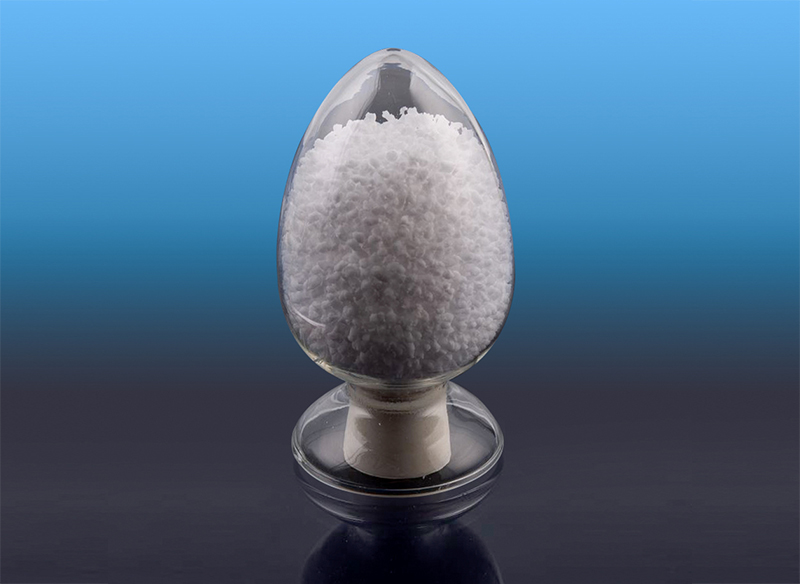
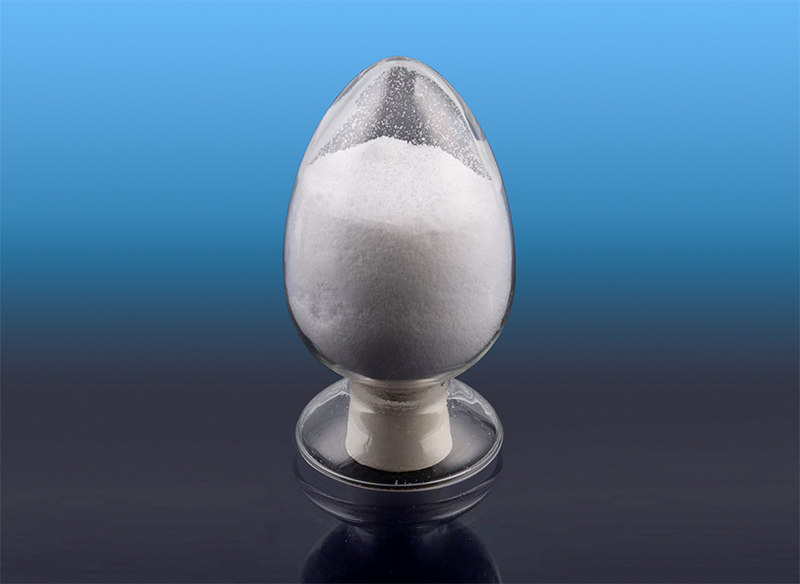
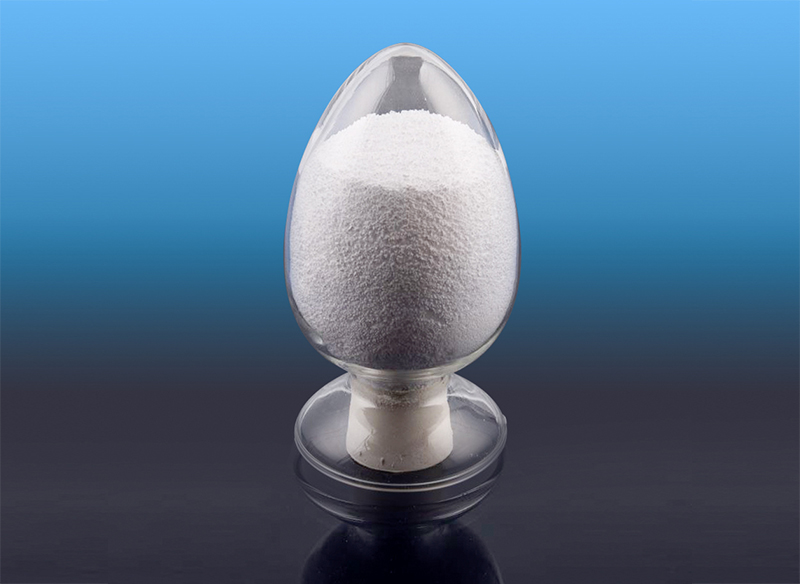
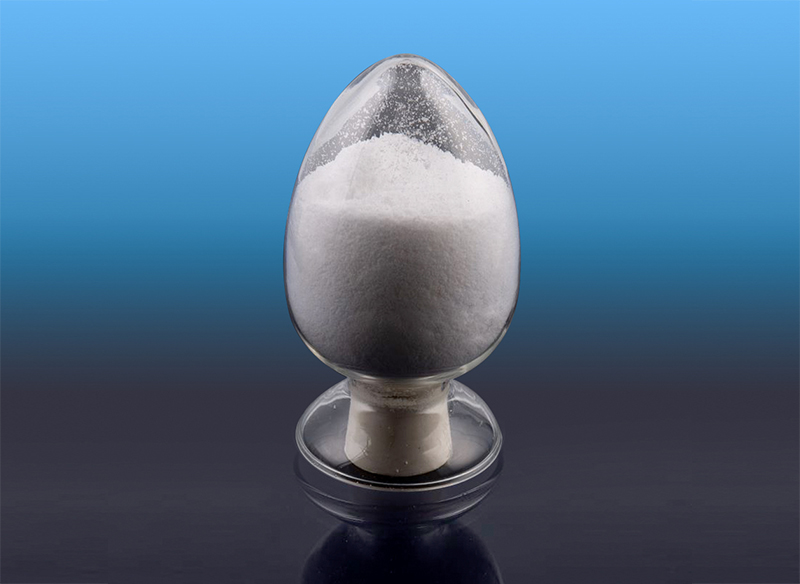 Hydrogenated Styrene-Isoprene Block Copolymer ManufacturersZHONGLITEC - Hydrogenated Styrene-Isoprene Block Copolymer (SEPS) Manufacturers and Suppliers in China, Custom Styrene Ethylene Propylene...View Product →
How Is It Produced?
The synthesis of hydrogenated styrene isoprene copolymer follows a two-step industrial process. The first step is living anionic polymerization, in which styrene and isoprene monomers are sequentially polymerized to build a well-defined SIS triblock structure. The living nature of this polymerization allows precise control over molecular weight, block length ratio, and the overall architecture (linear or radial), which in turn dictates key performance parameters such as hardness, melt viscosity, and elasticity. The chemistry here directly influences whether the final product behaves like a soft gel, a rigid reinforcement, or a flexible film.
The second step is selective hydrogenation. The SIS polymer is dissolved in an appropriate solvent and exposed to hydrogen gas in the presence of a supported or homogeneous catalyst. The catalyst must be selective enough to saturate the isoprene double bonds while leaving the aromatic rings of the polystyrene blocks intact. This selectivity is critical because complete saturation of the polystyrene blocks would destroy the hard phase that provides strength and dimensional stability. For a deeper look at how process parameters affect molecular weight and block structure, you can refer to our technical discussion on polymerization control.
Manufacturers with dedicated hydrogenation capacity can tailor the degree of hydrogenation, residual catalyst removal, and final polymer morphology. The result is a clean, low-odor, water-white elastomer suitable for demanding applications in cosmetics, adhesives, and advanced industrial compounds.
Key Properties and Performance Benefits
The value proposition of hydrogenated styrene isoprene copolymer rests on three pillars: thermal stability, weather resistance, and chemical inertness. These three properties all trace back to the elimination of unsaturation in the midblock. But beyond the headline advantages, the material offers a unique combination of softness, transparency, and compatibility that makes it difficult to replace with other elastomers.
Because the midblock is saturated, the polymer demonstrates exceptional resistance to thermal oxidative degradation. Products formulated with SEP(S) maintain their mechanical integrity and appearance for far longer than those made with SIS, especially in applications that see prolonged heat exposure. Similarly, the absence of double bonds means the polymer does not yellow or surface-crack when exposed to UV radiation or atmospheric ozone. This is why hydrogenated styrene isoprene copolymer is a standard choice for outdoor, automotive, and long-service-life applications.
From a processing perspective, the polymer offers the classic advantages of a thermoplastic elastomer. It can be melt-blended, injection-molded, extruded, or dissolved in solvents without requiring any vulcanization step. It also exhibits low permanent set and good recovery after deformation, meaning products maintain their shape and function even after repeated stress or compression.
Key Properties at a Glance
The following table summarizes the most relevant performance dimensions for engineers and formulators evaluating hydrogenated styrene isoprene copolymer.
| Property | Practical Benefit |
|---|---|
| Full saturation of isoprene midblock | High resistance to oxidation, UV, and ozone; low yellowing over time |
| Thermoplastic processability | Can be injection molded, extruded, or dissolved without curing |
| Elasticity and low permanent set | Good shape recovery for gaskets, films, and soft-touch components |
| High transparency and low haze | Suitable for clear personal care products, gels, and optical media |
| Low odor and low extractables | Ideal for cosmetic, medical, and food-contact type applications |
| Excellent compatibility with oils and polyolefins | Easy formulation of gels, viscosity modifiers, and impact modifiers |
| Wide hardness range (soft gel to firm elastic) | Adjustable via styrene content and molecular weight to meet specific feel requirements |
Thermal and Oxidative Stability
The chemical basis for the outstanding longevity of hydrogenated styrene isoprene copolymer lies in the removal of allylic hydrogen atoms and double bonds from the polymer backbone. In non-hydrogenated rubbers like SIS or polyisoprene, these sites are highly susceptible to attack by oxygen radicals, especially at elevated temperatures. The degradation cascade starts with chain scission or crosslinking, which manifests as surface tackiness, embrittlement, or a sharp drop in elongation at break.
Hydrogenation effectively removes these weak points. The saturated midblock has a much higher activation energy for oxidative attack, meaning the polymer can withstand sustained exposure to heat without significant loss of mechanical properties. For a more detailed explanation of this mechanism, our article on why hydrogenation enhances thermal stability in isoprene polymers provides the underlying science. The practical result is a longer product lifespan, reduced warranty claims, and the ability to use the material in demanding environments where standard SIS would quickly fail.
Industrial Applications of Hydrogenated Styrene Isoprene Copolymer
The combination of high purity, thermal stability, and compatibility with both polar and non-polar systems explains why hydrogenated styrene isoprene copolymer appears in such a diverse set of end products. Its performance profile spans cosmetics, pressure-sensitive adhesives, plastic modification, and lubricant technology. The sections below outline the most commercially significant use cases.
Cosmetics and Personal Care
In the INCI nomenclature, hydrogenated styrene isoprene copolymer is recognized as a multifunctional ingredient. It functions primarily as a viscosity increasing agent, film former, and opacifying agent. In anhydrous systems such as lipsticks, lip balms, foundations, and cream blushes, it provides structure, improves pay-off, and creates a smooth, long-lasting film on the skin. For color cosmetics, the polymer helps keep pigments uniformly dispersed and imparts a soft-focus effect that many premium formulas rely on.
The material is widely used in personal care products and is generally recognized as safe in cosmetic formulations. Because it is a high-molecular-weight polymer, it does not penetrate the skin barrier, and its low odor and colorless appearance make it easy to incorporate without compromising fragrance or shade. If you are formulating a new cosmetic product and need to understand how this polymer behaves in complex emulsions or anhydrous gels, take a look at our cosmetic additive formulations and applications page for formulation guidance.
Adhesives and Sealants
Hot-melt pressure-sensitive adhesives (HMPSA) are one of the largest industrial consumers of hydrogenated styrene isoprene copolymer. In these formulations, the polymer serves as the primary elastomeric component, providing the cohesive strength necessary to hold the adhesive film together while also contributing to tack and peel resistance. Compared to non-hydrogenated SIS, the hydrogenated version delivers significantly better aging characteristics, including resistance to yellowing and retention of tack after prolonged heat or UV exposure.
This makes SEP(S)-based adhesives an excellent choice for transparent label stock, medical tapes, and packaging tapes that must remain clear and functional for years. The higher thermal stability also means the adhesive can be applied at elevated temperatures without degrading, which is a practical advantage in high-speed coating lines. For an in-depth analysis of the mechanism by which hydrogenated styrene block copolymers improve adhesive performance, refer to our explanation of how HSBC improves tack and shear strength in pressure-sensitive adhesives. You can also browse the adhesives and sealing material solutions we support.
Plastic Modification
When incorporated into polypropylene (PP) compounds, hydrogenated styrene isoprene copolymer acts as an efficient impact modifier. The rubbery midblock absorbs and dissipates impact energy, especially at low temperatures where unmodified PP becomes brittle. Unlike liquid rubbers or low-molecular-weight plasticizers, the block copolymer maintains its elastomeric domains during melt processing, creating a fine dispersion of rubber particles within the PP matrix. The result is a significant improvement in notched Izod impact strength without an unacceptable loss of stiffness.
Compared to SEBS, SEP(S) can offer advantages in terms of lower hardness and better transparency in the final PP compound, depending on the specific grade and refractive index matching. For a broader view of how SEP(S) compares with other toughening agents such as POE and EPDM, our guide on PP toughening agents provides a useful selection framework. If the application requires high clarity and excellent low-temperature performance, hydrogenated styrene isoprene copolymer is often the preferred choice.
Lubricating Oil Viscosity Index Modifiers
The saturated midblock of hydrogenated styrene isoprene copolymer provides excellent solubility in mineral and synthetic base oils. This makes the polymer an effective viscosity index (VI) improver for engine oils, hydraulic fluids, and transmission fluids. When dissolved in oil, the polymer coils expand at high temperatures to thicken the oil, and contract at low temperatures to reduce drag and ensure cold-start flow. The ideal additive is one that provides a high thickening efficiency with minimal permanent shear loss.
Molecular weight plays a decisive role in this application. Higher molecular weight grades provide more efficient thickening, but they are also more susceptible to mechanical shear degradation in the gear pump or engine. Carefully controlled molecular weight distribution, which is achievable through living anionic polymerization, allows formulators to balance thickening power with shear stability. Our technical article on what makes hydrogenated isoprene polymer effective as a viscosity modifier explores this trade-off in more detail.
Other Emerging Applications
Beyond the main markets, hydrogenated styrene isoprene copolymer continues to find new uses where its unique properties are valued:
- Optical fiber and cable filling compounds: The polymer provides a stable, water-blocking gel that remains soft and flexible over a wide temperature range.
- Jelly wax and candle applications: Its transparency and oil-gelling capability allow for crystal-clear decorative products.
- Package films: Blends with polyolefins offer a soft-touch feel, high clarity, and good tear resistance.
- Automotive interior components: Low fogging and low odor make it suitable for dashboard skins and soft-touch surfaces.
- Medical devices: Its purity and resistance to sterilization methods, such as ethylene oxide, support use in tubing and seals.
Hydrogenated Styrene Isoprene Copolymer vs. SIS vs. SEBS
A frequent question from material engineers is how hydrogenated styrene isoprene copolymer (SEP/S) compares with two closely related block copolymers: the non-hydrogenated SIS and the hydrogenated styrene-butadiene-styrene (SEBS). While all three share the same triblock architecture concept, the chemistry of the midblock creates meaningful differences in performance and cost.
SIS is the least expensive option because it skips the hydrogenation step. Its unsaturated midblock provides excellent tack and adhesion, which is why SIS remains popular in lower-cost adhesive formulations. However, its poor thermal and UV stability restrict its use to applications where long-term aging is not a concern. SEBS, on the other hand, is fully hydrogenated and offers excellent weathering resistance, but its midblock is derived from butadiene, which yields a polyethylene/butylene structure. This structure is less compatible with certain oils and can be less transparent than the ethylene/propylene midblock of SEP(S).
The following table directly compares these three polymer families across the selection criteria most relevant to engineers and purchasing managers.
| Criteria | SIS (non-hydrogenated) | SEBS (hydrogenated butadiene) | SEP/S (hydrogenated isoprene) |
|---|---|---|---|
| Midblock chemistry | Polyisoprene (unsaturated) | Poly(ethylene-butylene) | Poly(ethylene-propylene) |
| Thermal stability | Low | High | High |
| UV and oxidation resistance | Poor | Excellent | Excellent |
| Oil compatibility / gel clarity | Moderate | Good | Superior |
| Inherent tack | High | Low | Low to medium |
| Transparency in soft grades | Good | Good | Excellent |
| Relative cost | Low | Medium-High | Medium-High |
The midblock difference between SEP/S and SEBS might seem subtle, but it has practical consequences. The ethylene-propylene midblock in SEP/S offers better miscibility with paraffinic oils and polypropylene, resulting in softer gels and clearer blends. For applications requiring very low hardness, such as cosmetic gels or "gel wax," SEP(S) often outperforms SEBS. For a deeper look at the broader family of styrene block copolymers, you can read a detailed comparison of SBS, SEBS, and SIS, or our dedicated guide on SEPS, SEEPS, and SIS block copolymers.
How to Choose and Source the Right Grade
Selecting the correct grade of hydrogenated styrene isoprene copolymer requires a clear specification of the end-use performance targets. While the polymer family is versatile, not all grades are interchangeable. The following parameters are the most critical to evaluate:
- Styrene content: Directly controls hardness (Shore A or Shore OO). Higher styrene content yields a firmer, less tacky material with higher tensile strength.
- Molecular weight: Influences melt viscosity, solution viscosity, and internal strength. High molecular weight grades are better for films and impact modification; lower grades are easier to process in hot-melt adhesives.
- Block architecture: Linear triblock structures offer high strength, while radial (or star-shaped) architectures provide lower melt viscosity for easier processing.
- Degree of hydrogenation: A high degree of saturation is essential for maximum thermal and UV stability. Suppliers should provide test data confirming the residual unsaturation level.
- Melt flow rate: A practical indicator of processability in injection molding and extrusion. Match this to your existing production equipment.
When evaluating a potential supplier, look beyond the datasheet. A reliable source will have a robust quality management system, including documented testing procedures for each batch. Consistent color, hardness, and molecular weight distribution across lots are the hallmark of a mature manufacturer.
Zhonglitec (Zhejiang Zhongli Synthetic Material Technology Co., Ltd.) operates a production facility equipped with a Yokogawa distributed control system (DCS) for precise, stable process control. Each production lot undergoes an eight-step inspection protocol before release, ensuring that the material you receive meets strict internal standards for purity and consistency. The company also maintains a Zhejiang Postdoctoral Workstation, which supports ongoing R&D into new grades and application development.
To better understand the technical specifications and grade options, you can read a deeper technical look at SEP(S) block copolymer. This article covers the relationship between molecular structure and final performance in more detail.
Conclusion
Hydrogenated styrene isoprene copolymer is far more than a thermally stable version of SIS. Its fully saturated midblock opens the door to applications that standard rubbers cannot serve, while its compatibility with oils and polyolefins makes it one of the most versatile elastomers in modern materials engineering. For cosmetics formulators, it is a reliable film former and thickener that offers a pleasant sensory profile. For adhesive producers and plastic compounders, it delivers the long-term durability and low-color stability required for premium products. And for lubricant formulators, it is an efficient and shear-stable viscosity modifier.
The choice between SEP/S, SEBS, and SIS should be driven by the specific demands of your application: transparency and oil compatibility favor SEP/S, maximum aging resistance with moderate oil compatibility favors SEBS, and lowest cost with acceptable performance favors SIS. Regardless of which material you choose, the integrity of your supply chain matters. Working with an experienced hydrogenated elastomer manufacturer who controls the polymerization and hydrogenation processes in-house is the surest way to achieve batch-to-batch consistency and reliable technical support.
If you are ready to evaluate specific grades for your project, our technical team can provide TDS, MSDS, and formulation assistance. Visit our product page for high-performance hydrogenated styrene-isoprene block copolymer (SEP/S), or contact our sales team directly to discuss your requirements.
Hydrogenated Styrene-Isoprene Block Copolymer ManufacturersZHONGLITEC - Hydrogenated Styrene-Isoprene Block Copolymer (SEPS) Manufacturers and Suppliers in China, Custom Styrene Ethylene Propylene...View Product →