Language
 English
 中文简体
中文简体 Español
 русский
 +86-15268315011


SBS vs SEBS vs SIS Differences and Application Guide
Content
- 1 SBS vs SEBS vs SIS Differences and Application Guide
- 2 Basic chemistry and structure
- 3 Thermal, mechanical and aging performance comparison
- 4 Processing and compounding considerations
- 5 Application areas and selection criteria
- 6 Compatibility with other polymers and additives
- 7 Testing, specifications and acceptance criteria
- 8 Processing challenges and mitigation
- 9 Environmental, regulatory and recycling notes
- 10 How to choose: step-by-step selection workflow
- 11 Supplier qualification and specification checklist
- 12 Final recommendations
SBS vs SEBS vs SIS Differences and Application Guide
Styrene-Butadiene Block Copolymer (SBS), Hydrogenated Styrene-Butadiene Block Copolymer (SEBS), and Styrene-Isoprene-Styrene (SIS) are three commercial block copolymers used widely as modifiers, elastomers and thermoplastic rubbers. Choosing between them requires understanding chemical structure, thermal and mechanical behavior, processability, compatibility with other polymers and additives, and the end-use performance requirements. This guide explains the core differences, gives practical selection criteria for common industrial uses (adhesives, asphalt modification, footwear, medical/non-medical articles, sealants, and thermoplastic blends), and provides actionable testing and specification checkpoints when qualifying materials or suppliers.
Basic chemistry and structure
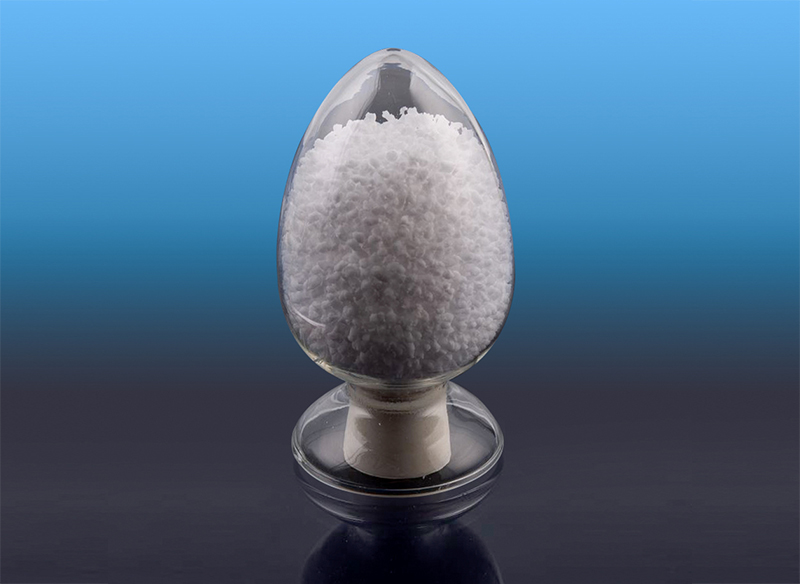
At a molecular level all three are block copolymers with polystyrene end-blocks that provide thermoplastic domains and mid-blocks that give elastomeric behavior. SBS is typically a linear ABA triblock where A is polystyrene and B is polybutadiene. SEBS is produced by hydrogenating the butadiene mid-block of SBS, converting unsaturated bonds to saturated ethylene–butylene segments (improving thermal and oxidative stability). SIS uses polyisoprene as the mid-block instead of butadiene, giving higher tack and different low-temperature flexibility compared with SBS.
Practical implications of the structures
- SBS: Offers strong elastomeric recovery and good mechanical strength but contains unsaturation (vulnerable to oxidation, heat, and certain chemicals).
- SEBS: Hydrogenation removes double bonds in the mid-block, yielding superior heat aging, UV resistance and chemical resistance; behaves more like a saturated rubber.
- SIS: Higher tack and adhesion due to isoprene mid-block; softer at low temperatures than equivalent SBS but may be more sensitive to oxidative degradation than SEBS.
Thermal, mechanical and aging performance comparison
For design and process engineers, three performance dimensions matter: service temperature range, aging/oxidative stability, and mechanical properties (tensile strength, elongation, hardness, and compression set). SEBS generally performs best in high-temperature or oxidative environments. SBS may provide slightly higher mechanical strength in some formulations, while SIS offers superior tack and low-temperature flexibility.
| Property | SBS | SEBS | SIS |
| Thermal stability / Heat aging | Moderate; unsaturation leads to oxidation | High; hydrogenated mid-block resists oxidation | Moderate; less stable than SEBS |
| Low-temperature flexibility | Good | Good to very good | Excellent; very tacky at low temps |
| Tack and adhesion | Moderate | Lower than SBS; improved compatibility with polar systems | High; preferred for pressure-sensitive adhesives |
| Chemical resistance | Lower vs SEBS | Superior | Moderate |
Processing and compounding considerations
All three polymers can be processed on typical thermoplastic equipment (extrusion, injection molding, hot-melt blending), but their behavior in the melt and compatibility with additives differ. SEBS flows more like a saturated thermoplastic elastomer and accepts polar additives and fillers better than SBS because hydrogenation reduces non-polar unsaturation reactivity. SIS is highly compatible with tackifying resins and low-melting oils for adhesive formulations.
Practical compounding tips
- SBS: Use antioxidants and stabilizers when exposure to heat or oxygen is expected during processing or in service.
- SEBS: Lower tendency to crosslink or char — allows higher processing temperatures and better weathering performance.
- SIS: Pair with compatible tackifiers and plasticizers for pressure-sensitive adhesives and low-temperature bonding applications.
Application areas and selection criteria
Each polymer has application niches where its balance of properties makes it the preferred choice. Below are common application categories with practical selection guidance.
Adhesives and pressure-sensitive formulations
SIS excels for pressure-sensitive adhesives (PSA) due to high tack and low-temperature tackiness. SBS is used for hot-melt adhesives when higher strength is needed and tack is moderate. SEBS-based adhesives provide better heat and UV resistance—useful when adhesive joints face elevated temperatures or outdoor exposure.
Asphalt and bitumen modification
SBS is the industry standard for asphalt modification (SBS-modified bitumen). It improves elasticity, resistance to rutting and cracking, and provides recoverable deformation under load. SEBS can be used where oxidative aging or high-service temperatures are concerns, but cost and blending considerations often favor SBS in road pavements.
Footwear and elastomeric parts
SBS offers the balance of resilience and strength for midsoles and flexible shoe components. SEBS provides longer-term durability against UV and heat in outdoor footwear. SIS is used where softness and tack are prioritized, for example in some specialized comfort layers or adhesive-backed components.
Medical and hygiene (where applicable)
SEBS, due to its saturation and resistance to oxidation, is more likely to meet long-term stability requirements in some medical applications. For contact with skin, ensure suppliers provide biocompatibility data and relevant regulatory test results (cytotoxicity, skin irritation) and confirm the absence of unreacted monomers or harmful residuals.
Compatibility with other polymers and additives
Compatibility affects blend stability and final properties when mixing with polyolefins, PVC, oils, tackifiers, fillers and flame retardants. SEBS tends to be more compatible with polar additives and better disperses fillers due to its saturated mid-block. SBS blends well with bitumen and non-polar thermoplastics; SIS has superior compatibility with tackifiers and softeners used in adhesives.
Testing, specifications and acceptance criteria
When qualifying materials set clear specifications: styrene content, block molecular weights, melt flow (MFR) or Mooney viscosity, Shore hardness, tensile modulus and elongation, and thermal properties (Tg of styrene block, service temperature range). For outdoor or long-life applications include accelerated aging tests (UV, heat) and oxidative stability. For adhesive applications specify tack, peel strength and shear holding power under relevant environmental conditions.
Recommended test list for procurement
- GPC or GPC-SEC to confirm block copolymer molecular weight distribution.
- Melt flow rate (MFR) or shear rheology for processing behavior.
- Shore A or D hardness, tensile strength and elongation at break.
- Accelerated aging (heat, UV) and oxidative induction time (OIT) for long-term stability.
Processing challenges and mitigation
Common manufacturing challenges include thermal degradation (especially for unsaturated SBS and SIS), tack-related handling problems, and phase separation in incompatible blends. Mitigation strategies include controlled processing temperatures, antioxidant packages, proper selection of tackifiers/plasticizers for adhesives, and using compatibilizers or grafted copolymers for difficult blends.
Environmental, regulatory and recycling notes
SEBS and SIS are thermoplastic and recyclable in mechanical recycling streams where compatible. SBS contains unsaturated sites but is still mechanically recyclable; however, oxidative aging can affect recyclate properties. For regulated uses (food contact, medical), request declarations, test reports and confirm compliance with local regulations (EU REACH, FDA where applicable). Consider life-cycle issues: hydrogenation (to make SEBS) adds processing steps and energy input but yields longer service life in many applications.
How to choose: step-by-step selection workflow
Use a structured workflow to select the optimum block copolymer:
- Define functional requirements: tack, elasticity, temperature range, UV/oxidative exposure, chemical contact and regulatory constraints.
- Rank properties by priority: for example in adhesives prioritize tack and peel; in asphalt prioritize elastic recovery and aging resistance.
- Shortlist candidate polymers (SBS, SEBS, SIS) and required grades (styrene content, molecular weight range).
- Run lab-scale mixing and performance tests with actual formulation components and accelerated aging.
- Finalize supplier with documentation: lot traceability, test certificates, and agreed acceptance tests (FAT/PAT where relevant).
Supplier qualification and specification checklist
When qualifying suppliers request technical data sheets, batch certificates of analysis, and a small trial shipment for in-house testing. Confirm storage and handling recommendations, shelf life, and any necessary stabilization measures.
- TDS and CoA for each lot (styrene content, Mooney/MFR, Tg, ash if filled).
- Antioxidant/stabilizer information and recommended processing window.
- Recommended handling, storage conditions and shelf life.
Final recommendations
Choose SBS when you require proven elastomeric modification in bitumen, cost-effective elastomeric performance, and where oxidative exposure is moderate but manageable with stabilizers. Choose SEBS when long-term thermal and oxidative stability, weather resistance and improved compatibility with polar additives are critical. Choose SIS when high tack, excellent low-temperature adhesion and softness dominate the requirement, especially in pressure-sensitive adhesives. Always validate material choices with representative trials, specify clear acceptance tests, and qualify suppliers with batch-specific documentation to reduce technical and commercial risk.