Language
 English
 中文简体
中文简体 Español
 русский
 +86-15268315011


Comprehensive Guide to Hydrogenated Styrene-Butadiene Block Copolymer (SEBS)
Content
Introduction to Hydrogenated Styrene-Butadiene Block Copolymer (SEBS)
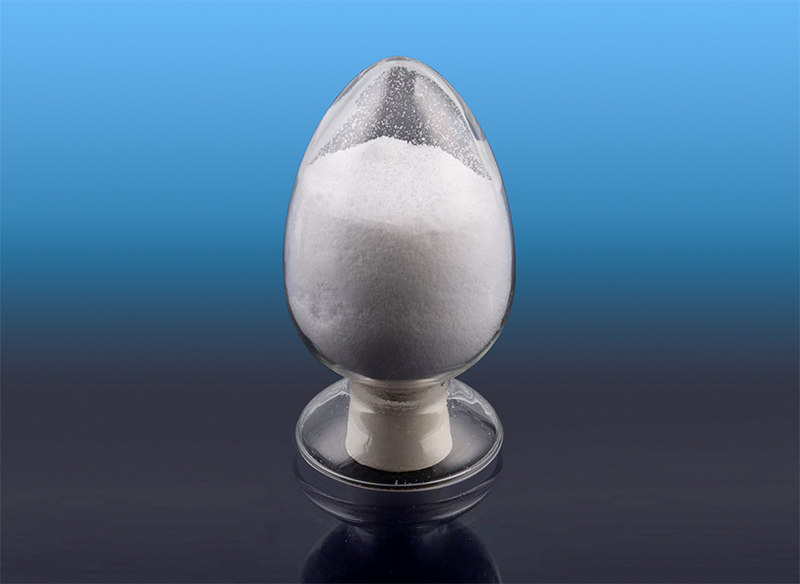
Hydrogenated Styrene-Butadiene Block Copolymer (SEBS) is a high-performance thermoplastic elastomer widely used in industries ranging from automotive and medical devices to consumer goods and adhesives. It combines the elasticity of rubber with the processability of thermoplastics, providing excellent flexibility, resilience, and environmental resistance. SEBS has emerged as a versatile material for products requiring soft-touch surfaces, chemical resistance, and long-term durability.
Its unique chemical structure, formed by hydrogenating styrene-butadiene-styrene (SBS) block copolymers, reduces unsaturation in the butadiene segment, improving thermal stability, UV resistance, and oxidative resistance. This makes SEBS an attractive choice for high-performance applications in demanding conditions.
Key Properties of SEBS
Understanding the properties of SEBS is essential for selecting the right grade for specific applications. The material exhibits a combination of mechanical, thermal, and chemical characteristics that distinguish it from other elastomers.
Mechanical Properties
SEBS offers high tensile strength, elongation, and excellent flexibility. It maintains elasticity over a wide temperature range and is resistant to permanent deformation under stress. These properties make SEBS ideal for applications such as soft-touch grips, flexible tubing, and sealing components.
Thermal and Environmental Resistance
Hydrogenation enhances the thermal stability of SEBS, allowing it to withstand prolonged exposure to heat without significant degradation. It also resists UV radiation, ozone, and oxidative stress, making it suitable for outdoor and high-temperature applications.
Chemical and Solvent Resistance
SEBS demonstrates excellent resistance to polar solvents, oils, and many chemicals. This makes it a preferred choice for products exposed to aggressive environments, such as seals, gaskets, hoses, and medical devices.
Applications of SEBS
The versatility of SEBS enables its use across various industries, providing both functional and aesthetic benefits. Its soft-touch properties, durability, and chemical resistance make it highly sought-after for consumer, industrial, and medical applications.
- Automotive: Soft-touch interior parts, gaskets, seals, and vibration-damping components.
- Medical Devices: Flexible tubing, grips, and wearable components due to biocompatibility and chemical resistance.
- Consumer Products: Soft-touch handles, toys, footwear soles, and protective covers.
- Adhesives and Coatings: SEBS-based adhesives enhance flexibility, durability, and weather resistance.
- Thermoplastic Elastomer Blends: SEBS is blended with polypropylene or other plastics to improve flexibility, soft-touch, and processability.
Processing and Formulation Considerations
SEBS can be processed using conventional thermoplastic techniques, such as extrusion, injection molding, and blow molding. It can be blended with other polymers, oils, or fillers to modify hardness, flexibility, and surface properties. Correct formulation and processing ensure optimal performance and consistency for the end product.
| Property | Typical Value | Application Relevance |
|---|---|---|
| Shore Hardness (A) | 20-70 | Soft-touch grips, flexible components |
| Tensile Strength (MPa) | 10-25 | Durable and resilient parts |
| Elongation at Break (%) | 400-700 | Flexible tubing and seals |
| Operating Temperature (°C) | -60 to 150 | Automotive and outdoor components |
Advantages of Using SEBS
Hydrogenated Styrene-Butadiene Block Copolymer offers multiple advantages over conventional elastomers and thermoplastics:
- Enhanced thermal, UV, and oxidative stability for long-term performance.
- Excellent elasticity and resilience across a wide temperature range.
- Soft-touch and aesthetic versatility for consumer-facing products.
- Processable with standard thermoplastic techniques, improving manufacturing efficiency.
- Compatible with blends and additives to tailor mechanical and surface properties.
Conclusion
SEBS is a high-performance thermoplastic elastomer that combines flexibility, durability, and processability. Its exceptional mechanical, thermal, and chemical properties make it a preferred choice in automotive, medical, consumer, and industrial applications. Understanding its properties, processing methods, and application advantages allows manufacturers and designers to select the appropriate SEBS grade, achieving superior product performance and longevity.
By leveraging SEBS in product design and manufacturing, companies can produce innovative, resilient, and high-quality components that meet modern performance standards while maintaining cost-effectiveness and sustainability.