Language
 English
 中文简体
中文简体 Español
 русский
 +86-15268315011


Styrene-Butadiene Block Copolymer in Polymer Blends: Compatibility and Benefits
Content
Introduction to Styrene-Butadiene Block Copolymer (SBS)
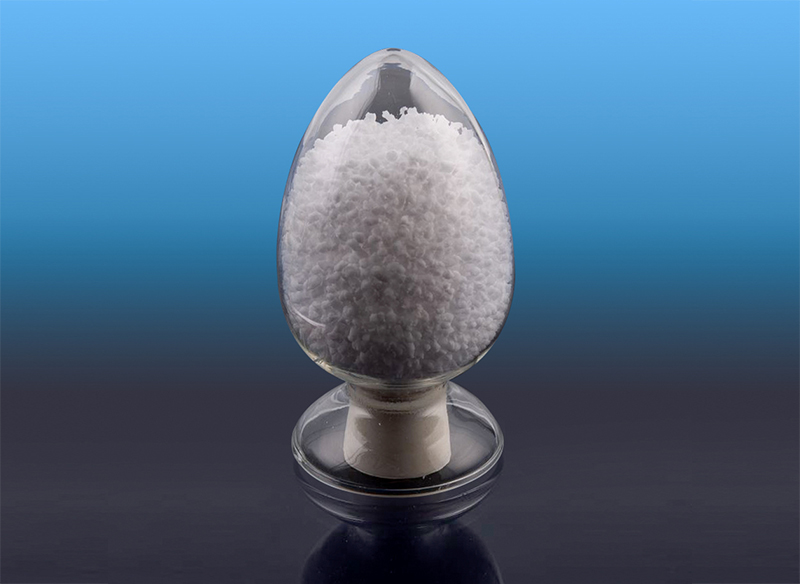
Styrene-Butadiene Block Copolymer (SBS) is a versatile thermoplastic elastomer composed of styrene and butadiene blocks arranged in a linear or branched structure. Its unique block architecture allows SBS to exhibit both elastic properties of rubber and processability of thermoplastics. This combination makes SBS an ideal candidate for blending with various polymers to improve mechanical performance, flexibility, and durability.
In polymer blends, SBS serves as a modifier that enhances compatibility between otherwise immiscible polymers, contributing to uniform material properties and improved performance in demanding applications such as asphalt modification, adhesives, sealants, and impact-resistant plastics.
Mechanism of Compatibility in Polymer Blends
The compatibility of SBS in polymer blends is largely determined by its amphiphilic structure. The polystyrene blocks provide rigidity and phase separation, while the polybutadiene blocks offer flexibility and rubber-like elasticity. When blended with other polymers, SBS can form microphase-separated domains that improve interfacial adhesion and reduce phase separation in immiscible polymer systems.
This behavior is especially beneficial in blends with polyethylene (PE), polypropylene (PP), polyvinyl chloride (PVC), and other thermoplastics, where SBS acts as a compatibilizer, promoting uniform dispersion and enhancing overall mechanical properties.
Key Benefits of Incorporating SBS in Polymer Blends
Adding SBS to polymer blends provides several functional advantages. These benefits can be categorized into mechanical performance, thermal stability, processability, and aesthetic enhancement.
- Improved Flexibility: The rubber-like polybutadiene domains increase elongation at break and reduce brittleness, especially at low temperatures.
- Enhanced Impact Resistance: SBS disperses stress efficiently, improving toughness and resistance to cracking under mechanical load.
- Better Processability: As a thermoplastic elastomer, SBS allows melt processing and molding without sacrificing elasticity, facilitating extrusion, injection molding, and calendering.
- Thermal and UV Stability: Styrene blocks contribute to thermal resistance, while SBS-modified blends exhibit improved weathering performance in outdoor applications.
- Enhanced Adhesion: SBS improves interfacial bonding in multi-component systems, making it valuable in coatings, adhesives, and composite materials.
Common Polymer Blends with SBS
SBS is widely used in combination with various thermoplastics and elastomers to achieve targeted material properties. Below is a summary of common SBS-based polymer blends:
| Blend Type | Primary SBS Function | Typical Applications |
| SBS + Polyethylene (PE) | Compatibilizer and flexibility enhancer | Flexible films, packaging, and impact-resistant sheets |
| SBS + Polypropylene (PP) | Toughness and impact modification | Automotive parts, pipes, and molded components |
| SBS + PVC | Flexibility and adhesion enhancement | Flooring, cables, and flexible sheets |
| SBS + Asphalt | Elasticity and thermal performance modifier | Road paving, roofing, and waterproofing |
Processing Techniques for SBS Blends
SBS polymer blends are processed using standard thermoplastic techniques, including extrusion, injection molding, and calendering. Temperature control is critical to preserve the elastomeric properties and prevent degradation of the butadiene blocks. When blending with immiscible polymers, high shear mixing or the use of additional compatibilizers may be required to achieve uniform dispersion.
Additives such as stabilizers, plasticizers, and fillers can be incorporated to further tailor the mechanical, thermal, and optical properties of the SBS blend for specific industrial applications.
Conclusion
Styrene-Butadiene Block Copolymer plays a critical role in polymer blends by enhancing compatibility, flexibility, and overall performance. Its unique block structure allows it to function as both a toughening agent and a compatibilizer, making SBS blends highly versatile across industries such as automotive, construction, adhesives, and packaging. Understanding SBS behavior in polymer blends enables manufacturers to optimize material properties and achieve high-performance end products.