Language
 English
 中文简体
中文简体 Español
 русский
 +86-15268315011


What Makes Hydrogenated Isoprene Polymer (EP) Effective as a Viscosity Index Improver?
Content
- 1 What Is Hydrogenated Isoprene Polymer (EP)?
- 2 Understanding the Star-Shaped Molecular Structure
- 3 Compatibility With Base Oils and Polypropylene
- 4 Application as a Viscosity Index Improver
- 5 Applications in Polyolefin Film Modification
- 6 Key Advantages Summarized for Formulators
- 7 Selecting the Right Grade for Your Application
What Is Hydrogenated Isoprene Polymer (EP)?
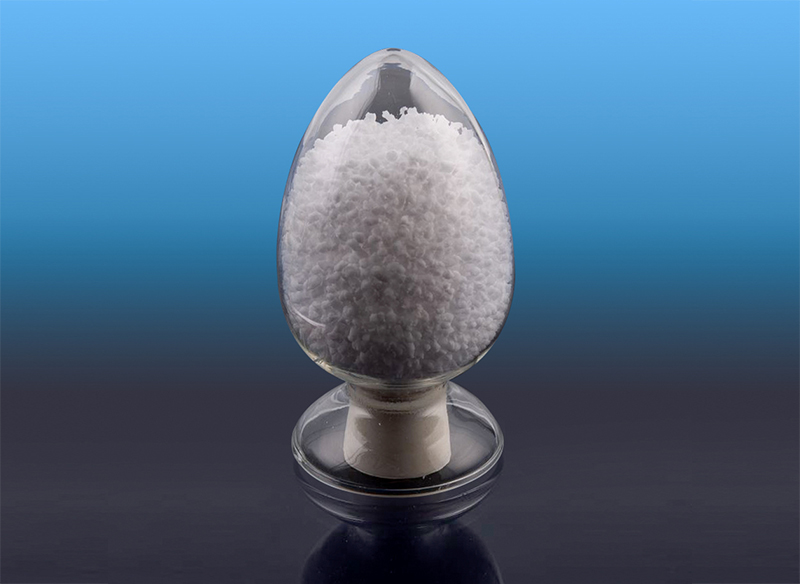
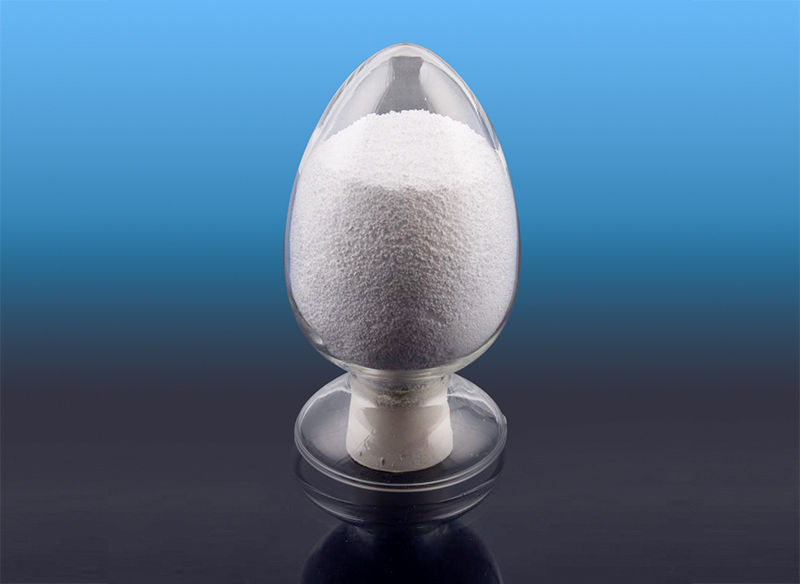
Hydrogenated Isoprene Polymer, commonly referred to as EP, is a specialty star-shaped polymer produced through a controlled process of polymerization and hydrogenation using isoprene as the base monomer. The resulting material is technically classified as an ethylene-alt-propylene structure, formed after the hydrogenation step converts the original isoprene backbone into a fully saturated polymer chain. This transformation is central to the material's performance advantages, since removing carbon-carbon double bonds significantly improves the polymer's stability and resistance to oxidative degradation compared to its unsaturated precursor.
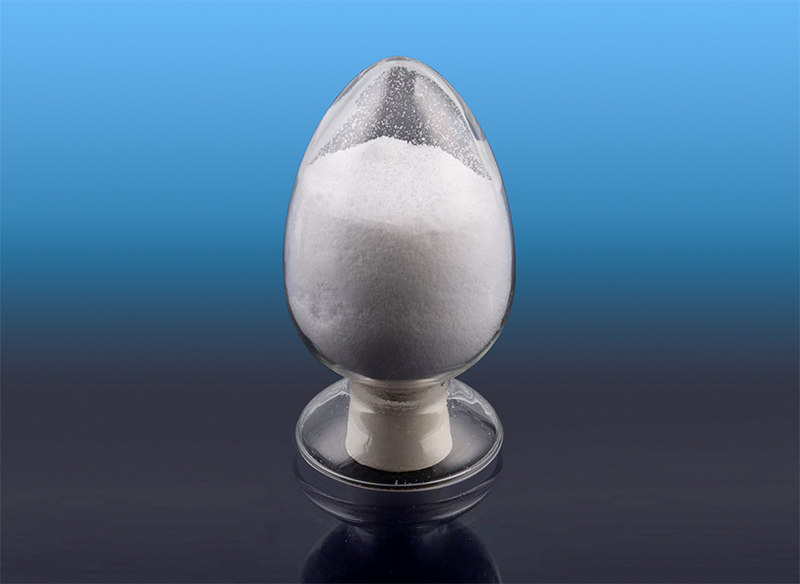
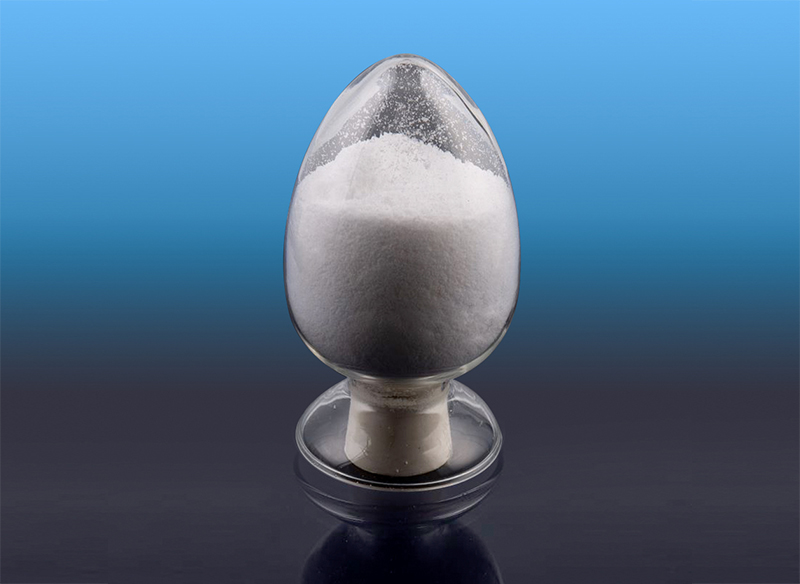
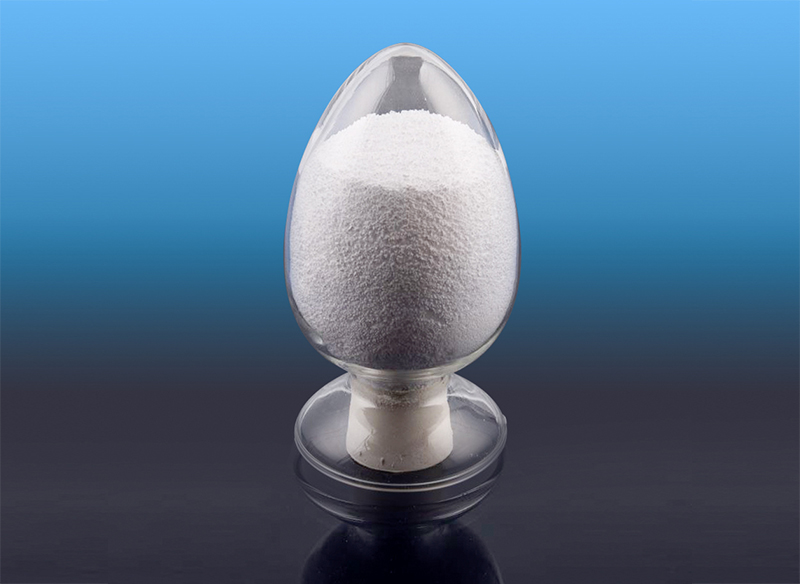
Zhongli EP represents a refined version of this polymer class, engineered specifically to achieve a narrow molecular weight distribution alongside extremely low residual carbon-carbon double bond content. This combination of characteristics is not easy to achieve through standard polymerization techniques, which makes the manufacturing process itself a meaningful differentiator when comparing EP products from different suppliers. The star-shaped molecular architecture further distinguishes this polymer from simpler linear structures, contributing to its distinctive behavior when blended into lubricant formulations or polyolefin materials.
Understanding the Star-Shaped Molecular Structure
The star-shaped configuration of EP polymer plays a significant role in determining its physical and rheological properties. Unlike linear polymer chains that extend in a single direction, star-shaped molecules feature multiple polymer arms radiating outward from a central core. This architecture affects how the polymer behaves under mechanical stress, particularly in high-shear environments common to lubricant applications.
Impact on Molecular Weight Distribution
A narrow molecular weight distribution means that the individual polymer chains within a given batch are relatively uniform in size, rather than varying widely from very short to very long chains. This uniformity translates into more predictable and consistent performance when the polymer is incorporated into a finished product, since there is less variability in how different molecular fractions respond to temperature changes or mechanical shear.
Significance of Low Double Bond Residue
The hydrogenation process is designed to eliminate as many residual carbon-carbon double bonds as possible from the original isoprene structure. Extremely low double bond residue directly improves the polymer's resistance to oxidation, which is a critical factor in applications where the material will be exposed to heat, mechanical stress, or prolonged service life, such as automotive lubricants operating under demanding conditions.
Compatibility With Base Oils and Polypropylene
One of the most valuable practical characteristics of Zhongli EP is its excellent compatibility with both synthetic and mineral base oils, as well as with polypropylene. This broad compatibility profile expands the range of formulations and applications where the polymer can be effectively utilized without encountering separation, cloudiness, or performance inconsistencies.
| Base Material | Compatibility Benefit |
| Synthetic Base Oils | Stable blending for high-performance lubricant formulations |
| Mineral Base Oils | Cost-effective formulation option without sacrificing stability |
| Polypropylene | Improved modification results for polyolefin film applications |
This compatibility flexibility allows formulators to select the base oil type that best fits their cost and performance targets, without concern that switching between synthetic and mineral bases will compromise the polymer's effectiveness within the final formulation.
Application as a Viscosity Index Improver
The primary application driving demand for Hydrogenated Isoprene Polymer is its use as a viscosity index improver within high-grade lubricating oils. Viscosity index improvers are additives that help lubricants maintain more consistent viscosity across a wide temperature range, preventing the oil from becoming too thin at high temperatures or too thick at low temperatures.
Shear Stability Requirements
High-grade lubricants used in demanding mechanical applications, such as automotive engines and industrial machinery, require viscosity index improvers that can withstand significant mechanical shear without breaking down. EP's star-shaped molecular structure and narrow molecular weight distribution contribute directly to its strong shear stability performance, helping formulated lubricants maintain their intended viscosity characteristics even under sustained high-shear operating conditions.
Performance in Strict Specification Lubricants
Lubricants formulated for modern high-performance engines or specialized industrial equipment often carry strict specification requirements that demand consistent viscosity behavior over extended service intervals. EP's combination of low double bond residue and shear-resistant molecular architecture makes it well suited for these premium formulations, where inferior viscosity index improvers might degrade prematurely and compromise lubricant performance.
Applications in Polyolefin Film Modification
Beyond lubricant formulation, Hydrogenated Isoprene Polymer also serves an important role in modifying polyolefin membrane materials and related products. Its compatibility with polypropylene allows manufacturers to incorporate EP into film formulations to adjust specific physical properties without introducing incompatibility issues that could weaken the final material.
- Improved flexibility and impact resistance in modified polyolefin films
- Enhanced processability during film extrusion and manufacturing
- Consistent modification results due to the polymer's narrow molecular weight distribution
- Stable long-term performance owing to low residual double bond content
These modification benefits make EP a valuable additive for manufacturers seeking to fine-tune the mechanical and processing characteristics of polyolefin-based membrane products across various industrial applications.
Key Advantages Summarized for Formulators
For formulators evaluating whether Hydrogenated Isoprene Polymer fits their specific application, several core advantages consistently stand out across both lubricant and polyolefin modification use cases.
- Narrow molecular weight distribution supports predictable, consistent performance
- Extremely low carbon-carbon double bond residue improves oxidative stability
- Strong compatibility with both synthetic and mineral base oils
- Effective compatibility with polypropylene for film modification applications
- Reliable shear stability suited to strict high-grade lubricant specifications
Selecting the Right Grade for Your Application
When incorporating Hydrogenated Isoprene Polymer into a formulation, it is important to evaluate the specific grade characteristics against the performance requirements of the intended application. Lubricant formulators focused on shear stability under extreme operating conditions should prioritize grades with the narrowest molecular weight distribution and lowest double bond residue available, since these characteristics most directly influence long-term viscosity retention.
For polyolefin film modification applications, formulators should consider how the polymer's compatibility with polypropylene interacts with other additives already present in the formulation, ensuring that the combined system delivers the desired balance of flexibility, processability, and mechanical strength. Working closely with a knowledgeable supplier can help identify the most suitable EP grade for specific technical requirements, whether the priority is lubricant performance, film modification, or another specialized industrial application.