Language
 English
 中文简体
中文简体 Español
 русский
 +86-15268315011


What Is SEBS and Why Is It Used in So Many Industries?
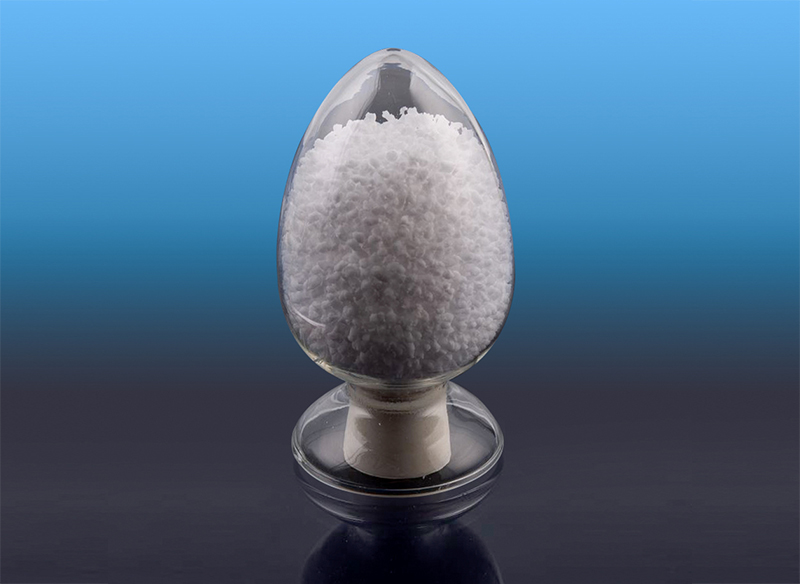
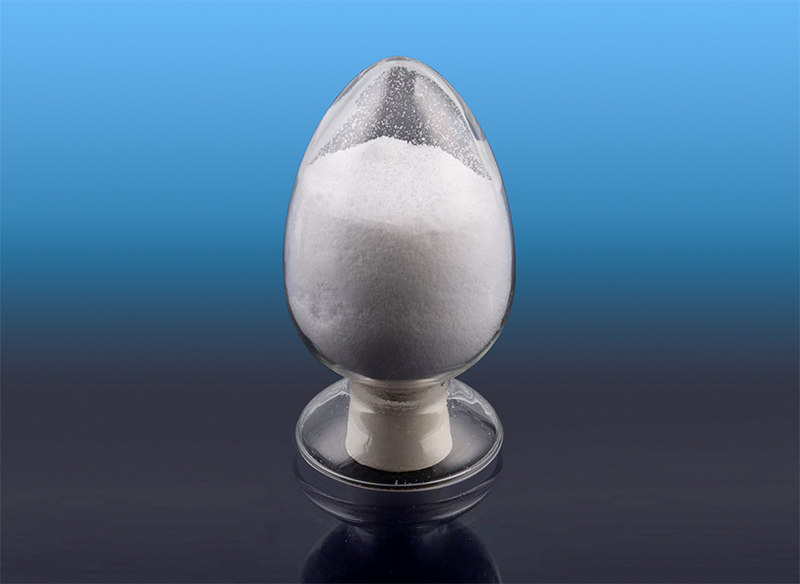
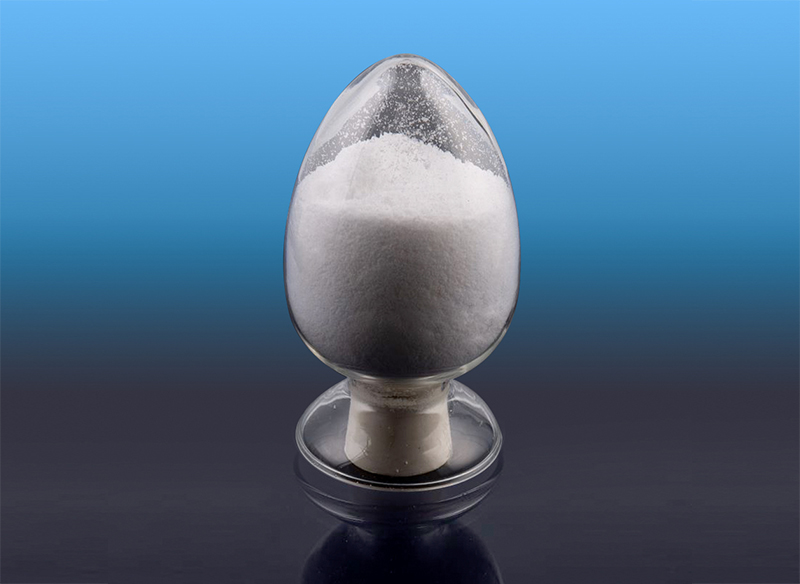
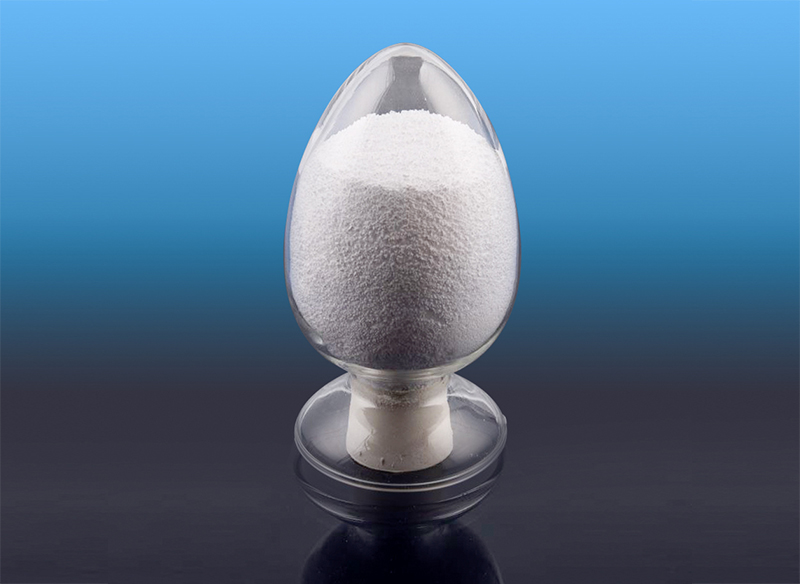
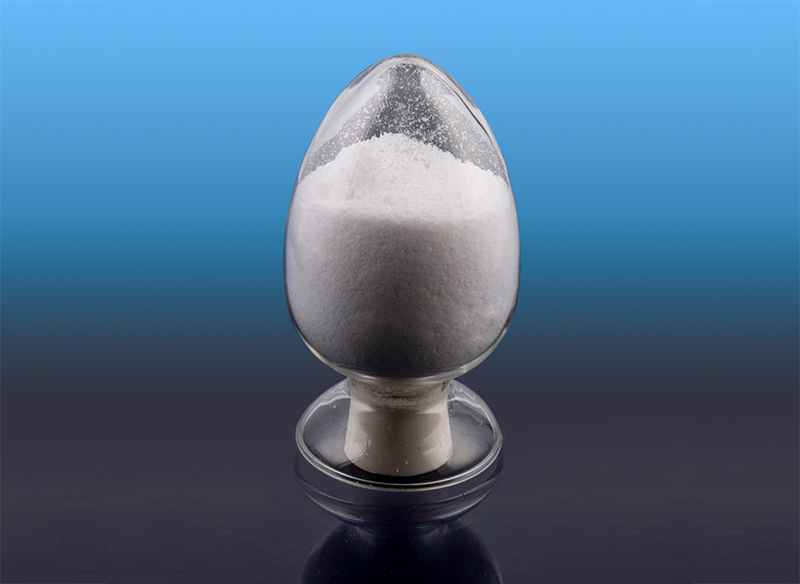
Hydrogenated styrene-butadiene block copolymer, commonly known as SEBS, is a thermoplastic elastomer produced by hydrogenating SBS (styrene-butadiene-styrene) copolymer. This hydrogenation process removes the double bonds present in the butadiene mid-block, resulting in a material with significantly improved resistance to heat, oxidation, and UV degradation compared to its non-hydrogenated counterpart. This article examines the key properties of SEBS, its major application areas, and practical considerations for selecting the right grade for specific manufacturing needs.
Content
What Sets SEBS Apart From Standard SBS
The hydrogenation process is what fundamentally distinguishes SEBS from SBS. By saturating the polybutadiene mid-block, manufacturers eliminate the reactive double bonds that make standard SBS vulnerable to oxidative and UV degradation over time. The result is a polymer that retains the elasticity and processability of SBS while gaining substantially better long-term stability, particularly in applications exposed to sunlight, heat, or oxidative environments.
Key Physical and Chemical Properties
- High elasticity and flexibility across a wide temperature range
- Strong resistance to aging, UV exposure, and oxidation
- Good low-temperature performance without becoming brittle
- Compatibility with polyolefins, polystyrene, and various other polymer systems
- Reprocessable and recyclable, unlike thermoset rubber materials
Compatibility With Other Polymers
One of the most valuable characteristics of SEBS is its ability to blend well with other thermoplastics, particularly polypropylene, polyethylene, and polystyrene. This compatibility allows formulators to fine-tune hardness, flexibility, and processing behavior by adjusting the ratio of SEBS to base resin, without needing to switch to an entirely different elastomer system for each application.
Major Application Areas for SEBS
SEBS is used across a broad range of industries due to its versatility and stability. Each application takes advantage of a slightly different combination of its core properties.
Plastic Modification
In plastic modification, SEBS is blended into polypropylene and polyethylene formulations to improve impact resistance and flexibility without significantly compromising processability. This is especially useful in automotive components and packaging applications where materials must withstand impact and temperature fluctuations without cracking.
Footwear Materials
SEBS is widely used in shoe soles and other footwear components because it offers a good balance of flexibility, abrasion resistance, and lightweight comfort. Its resistance to aging also means footwear products maintain their performance characteristics longer than those made with less stable elastomers.
Thermoplastic Elastomer (TPE) Products
As a base polymer for TPE compounds, SEBS is used to produce soft-touch grips, overmolded handles, and flexible components across consumer goods, tools, and automotive interiors. Its compatibility with polypropylene allows manufacturers to create TPE compounds with a wide range of hardness levels suited to different tactile and functional requirements.
Sealing and Gasket Materials
SEBS-based compounds are used in sealing applications where long-term flexibility and resistance to environmental degradation are critical. Because SEBS resists hardening and cracking better than many traditional rubber materials over extended exposure to heat and UV light, it performs well in gaskets and seals used in outdoor or high-temperature settings.
Flame-Retardant Materials
When compounded with flame-retardant additives, SEBS serves as a base polymer for cable and wire insulation as well as other flame-retardant components. Its inherent flexibility helps maintain the mechanical properties of the finished product even after flame-retardant fillers are incorporated, which can otherwise stiffen many polymer systems.
Film Materials
SEBS is incorporated into stretch and specialty films where flexibility, clarity, and durability are required simultaneously. Its compatibility with polyolefin resins allows film manufacturers to achieve the desired balance of stretch recovery and puncture resistance.
Medical Products
In medical applications, SEBS is used in tubing, seals, and soft-touch components where biocompatibility and resistance to sterilization processes are important. Its stability under repeated exposure to heat and chemical sterilization methods makes it suitable for reusable medical device components.
Comparing SEBS Applications by Performance Requirement
| Application | Primary Property Utilized |
| Plastic modification | Impact resistance |
| Footwear materials | Flexibility and abrasion resistance |
| TPE products | Soft-touch elasticity |
| Sealing materials | Long-term aging resistance |
| Film materials | Stretch recovery and clarity |
| Medical products | Sterilization stability |
Factors to Consider When Selecting an SEBS Grade
Not all SEBS grades perform identically, since molecular weight, styrene content, and additive packages can be adjusted to target specific performance outcomes. Selecting the appropriate grade requires evaluating several factors relevant to the final application.
- Hardness range required for the finished product
- Compatibility with the base resin used in the formulation
- Processing method, such as injection molding, extrusion, or film casting
- Environmental exposure, including UV, heat, and chemical contact
- Regulatory requirements for medical or food-contact applications
Why SEBS Remains a Preferred Material Choice
The combination of elasticity, chemical stability, and broad polymer compatibility makes SEBS a practical solution across many manufacturing sectors, from footwear to medical devices. Its ability to be reprocessed and blended with other resins gives formulators flexibility to fine-tune performance characteristics without sourcing an entirely new material for each application. For manufacturers evaluating elastomer options, understanding how SEBS properties align with specific application demands helps ensure the selected grade delivers reliable, long-term performance in the finished product.