Language
 English
 中文简体
中文简体 Español
 русский
 +86-15268315011


Why Is Hydrogenated Isoprene Polymer (EP) Widely Used and What Makes It Advantageous?
Content
Introduction to Hydrogenated Isoprene Polymer (EP)
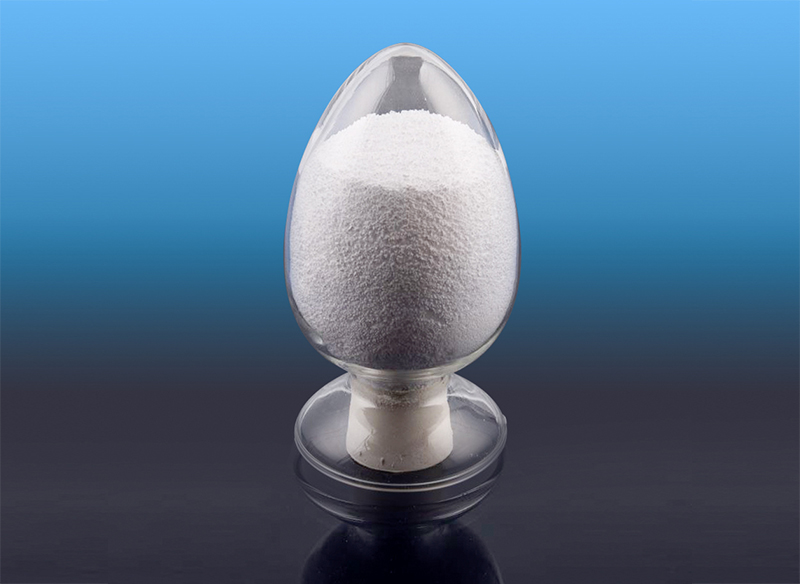
Hydrogenated Isoprene Polymer, commonly abbreviated as EP, is a type of synthetic rubber obtained by hydrogenating natural or synthetic polyisoprene. This process enhances the polymer’s thermal stability, oxidative resistance, and overall chemical resilience, making it highly valuable in industrial and commercial applications.
EP combines the elastic properties of polyisoprene with superior resistance to aging and environmental factors. Its unique combination of flexibility, durability, and chemical stability makes it a preferred choice in manufacturing seals, adhesives, elastomers, and high-performance industrial components.
Chemical Composition and Production Process
Polymerization of Isoprene
EP is derived from the polymerization of isoprene monomers. The initial step forms a polyisoprene backbone, which is then subjected to hydrogenation. This reaction saturates the double bonds in the polymer chain, resulting in enhanced resistance to heat, ozone, and oxidation.
Hydrogenation Process
Hydrogenation typically employs catalytic methods using nickel or palladium-based catalysts under controlled temperature and pressure. The degree of hydrogenation can be adjusted to achieve desired physical properties, such as hardness, elasticity, and thermal stability.
Physical and Mechanical Properties
Hydrogenated isoprene polymer exhibits high tensile strength, excellent elongation, and superior compression set resistance. Its improved aging characteristics ensure consistent performance under continuous stress, heat, and exposure to various chemicals, distinguishing it from standard polyisoprene or natural rubber.
Applications of Hydrogenated Isoprene Polymer
Automotive Industry
EP is widely used in automotive components, including seals, gaskets, hoses, and vibration damping elements. Its excellent resistance to oil, fuel, and high temperatures ensures reliability under extreme conditions commonly found in engines and transmissions.
Electrical and Electronics Applications
Due to its insulation properties and thermal stability, EP is utilized in cable sheathing, insulation layers, and protective coatings for electronic components. Its durability and resistance to ozone prevent cracking, ensuring long-term safety and performance.
Industrial Elastomers and Adhesives
Hydrogenated isoprene polymer serves as a base material for high-performance elastomers and adhesives. Its flexibility, resistance to chemical degradation, and strong adhesion properties make it suitable for construction, aerospace, and manufacturing applications where materials must withstand extreme stress and environmental exposure.
Medical and Consumer Products
EP is also used in medical tubing, seals for pharmaceutical equipment, and consumer products requiring hypoallergenic and stable materials. Its chemical resistance ensures sterility and long-term usability without significant degradation.
Advantages of Hydrogenated Isoprene Polymer
- Enhanced thermal stability compared to standard polyisoprene
- Superior resistance to oxidation, ozone, and UV degradation
- High tensile strength and flexibility under stress
- Excellent chemical resistance to oils, fuels, and solvents
- Long service life and minimal maintenance requirements
- Versatile applications across automotive, industrial, and medical fields
Comparison with Other Elastomers
| Property | Natural Rubber | Synthetic Polyisoprene | Hydrogenated Isoprene Polymer (EP) |
| Thermal Stability | Moderate | High | Very High |
| Ozone & UV Resistance | Low | Moderate | Excellent |
| Chemical Resistance | Low to Moderate | Moderate | High |
| Applications | Tires, footwear, basic elastomers | Industrial gaskets, hoses | Automotive, industrial, medical, adhesives |
Handling and Maintenance
Storage Considerations
Hydrogenated isoprene polymer should be stored in a cool, dry environment, away from direct sunlight and sources of ozone or strong oxidizing agents. Proper storage prevents premature aging and maintains its mechanical and chemical properties.
Processing Precautions
During processing, EP should be handled at controlled temperatures to avoid degradation. Standard industrial techniques such as extrusion, molding, and calendering are commonly used, ensuring optimal performance in final products.
Conclusion
Hydrogenated isoprene polymer (EP) is a highly versatile synthetic rubber offering superior thermal, chemical, and mechanical performance. Its applications span automotive, industrial, medical, and electronic industries. With proper handling and storage, EP provides long-lasting, reliable performance that outperforms conventional elastomers.
Understanding EP’s chemical composition, production methods, and advantages allows engineers and designers to select the best material for demanding environments, ensuring durability, safety, and cost-effective performance.