Language
 English
 中文简体
中文简体 Español
 русский
 +86-15268315011


Hydrogenated Styrene-Isoprene Block Copolymer (SEPS): Technical Guide
Content
- 1 What Is Hydrogenated Styrene-Isoprene Block Copolymer
- 2 Molecular Architecture and the Role of Hydrogenation
- 3 Key Physical and Mechanical Properties
- 4 Processing Methods and Compounding
- 5 Principal Applications of Hydrogenated Styrene-Isoprene Block Copolymer
- 6 Regulatory Status and Safety Considerations
- 7 Sourcing and Specification Guidance for SEPS
What Is Hydrogenated Styrene-Isoprene Block Copolymer
Hydrogenated styrene-isoprene block copolymer (SEPS) is a thermoplastic elastomer produced by the selective hydrogenation of styrene-isoprene-styrene (SIS) block copolymer. The hydrogenation process saturates the double bonds in the isoprene midblock, transforming the unsaturated polyisoprene segments into a saturated ethylene-propylene rubber-like structure. The result is a polymer that retains the elastic, rubber-like behavior of its SIS precursor while gaining substantially improved resistance to oxidation, UV degradation, and thermal aging -- properties that the unsaturated isoprene midblock cannot provide.
SEPS belongs to the broader family of hydrogenated styrenic block copolymers (HSBCs), which also includes SEBS (hydrogenated styrene-butadiene-styrene) and SIBS (styrene-isobutylene-styrene). Each member of this family shares the same fundamental triblock architecture -- two rigid polystyrene endblocks anchoring a soft, elastomeric midblock -- but differs in midblock chemistry, which drives differences in mechanical behavior, oil compatibility, gas permeability, and processing characteristics. SEPS occupies a specific position within this family, offering properties that SEBS cannot fully replicate, particularly in applications requiring a softer, more compliant elastomer at low temperatures or higher compatibility with certain mineral oil systems.
Molecular Architecture and the Role of Hydrogenation
Understanding why hydrogenated styrene-isoprene block copolymer behaves the way it does requires a clear picture of its molecular structure and what the hydrogenation step actually changes.
Block Copolymer Architecture
SEPS is produced in a linear triblock configuration designated S-EP-S, where S represents the polystyrene endblocks and EP represents the hydrogenated polyisoprene (ethylene-propylene) midblock. The polystyrene endblocks are hard, glassy segments with a glass transition temperature (Tg) of approximately 100 degrees Celsius. At service temperatures below this Tg, the polystyrene domains act as physical crosslinks, aggregating into rigid microphase-separated domains that anchor the soft midblock chains and provide the network structure responsible for elastic recovery.
The ethylene-propylene midblock has a glass transition temperature well below minus 60 degrees Celsius, meaning it remains soft and flexible across virtually the entire range of service temperatures encountered in industrial and consumer applications. This midblock is the segment responsible for the rubber-like elongation, low modulus, and energy absorption characteristics of the material.
Because the physical crosslinks are thermally reversible -- the polystyrene domains soften and flow above their Tg -- SEPS can be melt-processed like a thermoplastic and recycled without the chemical crosslinking constraints that limit conventional vulcanized rubbers.
What Hydrogenation Changes
The parent SIS copolymer contains carbon-carbon double bonds (unsaturation) in every isoprene repeat unit of the midblock. These double bonds are reactive sites that are susceptible to attack by oxygen (oxidative degradation), ozone (ozonolysis), and ultraviolet radiation -- the three primary environmental degradation pathways for unsaturated elastomers. Hydrogenation eliminates these double bonds by adding hydrogen across each unsaturated linkage under elevated temperature and pressure in the presence of a transition metal catalyst.
The commercial hydrogenation target is typically greater than 95% saturation of the midblock double bonds, with the polystyrene endblocks remaining largely unaffected. The outcome is a midblock chemistry that closely resembles amorphous ethylene-propylene rubber (EPR) -- a material with well-established durability in outdoor, automotive, and medical applications -- grafted permanently into the triblock architecture of a thermoplastic elastomer.
The practical consequences of this structural change include significantly improved resistance to thermal oxidative aging, elimination of ozone cracking risk, and greatly extended service life in UV-exposed applications compared to unhydrogenated SIS.
Key Physical and Mechanical Properties
The property profile of hydrogenated styrene-isoprene block copolymer is defined by its block architecture, styrene content, midblock molecular weight, and the degree of hydrogenation achieved. These variables can be adjusted during polymerization and hydrogenation to tailor the material for specific end uses.
Mechanical Properties
SEPS grades used in pure or lightly extended form exhibit tensile strengths in the range of 15 to 35 MPa, elongations at break of 400 to 1,000%, and hardness values (Shore A) typically between 20 and 70 depending on styrene content and formulation. Lower styrene content grades produce softer, more extensible materials; higher styrene content grades offer greater stiffness and tensile strength at the cost of reduced low-temperature flexibility.
Compression set -- the degree to which a material permanently deforms under sustained compressive load -- is an important specification parameter for sealing and gasket applications. SEPS exhibits good compression set resistance, particularly at moderate temperatures, though it is generally slightly inferior to chemically crosslinked rubbers under long-term high-temperature compression.
Thermal Properties
The upper service temperature for SEPS is governed by the glass transition temperature of the polystyrene domains, typically limiting continuous use to below 80 to 90 degrees Celsius in unfilled, uncompounded form. Above this range, the physical crosslink network weakens, leading to permanent deformation under load. Compounding with reinforcing resins or high-styrene resins can extend this upper limit in some formulations. At the low end, SEPS remains serviceable to well below minus 50 degrees Celsius, outperforming SEBS in many low-temperature flexibility requirements due to the lower Tg of the EP midblock.
Oil and Plasticizer Compatibility
One of the most practically significant properties of SEPS is its high compatibility with naphthenic and paraffinic mineral oils. The EP midblock swells selectively in these oils, allowing large quantities of extending oil to be incorporated into SEPS-based compounds without phase separation or significant loss of mechanical integrity. This oil extension capability is exploited extensively in hot melt adhesive formulations, where mineral oil addition reduces viscosity and modifies open time and cohesive strength to meet application-specific requirements.
SEPS is not resistant to aromatic solvents and hydrocarbon fuels -- these cause excessive swelling and property degradation. For applications requiring fuel or aromatic solvent resistance, SIBS or specialty fluoroelastomers are more appropriate choices.
| Property | SEPS | SEBS | SIS (unhydrogenated) |
|---|---|---|---|
| Midblock structure | Ethylene-propylene (saturated) | Ethylene-butylene (saturated) | Polyisoprene (unsaturated) |
| UV and ozone resistance | Excellent | Excellent | Poor |
| Low temperature flexibility | Superior | Good | Good |
| Softness at low styrene content | Very soft | Soft | Very soft |
| Mineral oil compatibility | Very high | High | Very high |
| Thermal oxidative stability | Excellent | Excellent | Poor |
| Melt processability | Good | Good | Good |
Processing Methods and Compounding
Hydrogenated styrene-isoprene block copolymer is thermoplastic and can be processed by most standard polymer processing techniques without the need for vulcanization or chemical crosslinking. This processability advantage over conventional rubber is one of the primary drivers of SEPS adoption in applications where elastomeric performance is required alongside manufacturing efficiency.
Hot Melt Processing
SEPS is widely processed as a hot melt, either pure or in combination with tackifying resins, mineral oil extenders, and stabilizers. In hot melt adhesive applications, the polymer is melted at temperatures typically between 150 and 180 degrees Celsius and applied by slot die coating, roll coating, or hot melt spray. The low melt viscosity of oil-extended SEPS formulations at these temperatures allows high-speed coating operations that would be impractical with higher-viscosity SEBS-based systems.
Extrusion and Injection Molding
Compounded SEPS grades can be processed by single-screw or twin-screw extrusion and by injection molding. Processing temperatures are typically in the range of 180 to 220 degrees Celsius, with the upper limit constrained by the onset of polystyrene domain thermal degradation and potential discoloration. SEPS compounds are more sensitive to shear and temperature than SEBS compounds due to the lower thermal stability of the EP midblock at extended processing temperatures, requiring careful screw design and residence time control in high-throughput operations.
Solution Processing
SEPS dissolves readily in non-polar solvents including toluene, xylene, cyclohexane, and aliphatic mineral spirits. Solution-cast films, coatings, and adhesive systems are produced by dissolving SEPS in solvent, applying the solution to a substrate, and allowing the solvent to evaporate. This approach is used in medical patch adhesives, release liner coatings, and specialty film applications where melt processing temperatures would damage the substrate or active ingredients.
Compounding Formulation Principles
Pure SEPS is rarely used in industrial applications without compounding. Standard compounding ingredients and their functions include:
- Mineral oil (naphthenic or paraffinic): Selectively swells and softens the EP midblock, reducing hardness and modulus, lowering melt viscosity for processing, and extending the polymer economically. Typical addition levels range from 50 to 300 parts per hundred rubber (phr) depending on target softness and application.
- Tackifying resins (hydrogenated hydrocarbon resins, rosin esters): Associate with the midblock or endblock phase to increase tack, improve peel adhesion, and modify the open time profile of adhesive formulations. Midblock-associating resins soften the compound and improve wetting; endblock-associating resins increase cohesive strength and upper service temperature.
- Polypropylene or polyethylene: Added to SEPS-based TPE compounds to increase hardness, stiffness, and upper service temperature while retaining thermoplastic processability. PP is the more common choice due to its higher melting point and better compatibility with the polystyrene endblocks at elevated temperatures.
- Fillers (calcium carbonate, silica, talc): Added primarily for cost reduction and to modify stiffness and surface finish. Unlike in vulcanized rubbers, reinforcing fillers do not provide the same degree of mechanical property enhancement in SEPS compounds because chemical bonding between filler and polymer matrix is limited without coupling agents.
- Antioxidants and UV stabilizers: Hindered phenolic antioxidants protect against thermal oxidative degradation during processing and service. UV absorbers and hindered amine light stabilizers (HALS) are added for outdoor applications.
Principal Applications of Hydrogenated Styrene-Isoprene Block Copolymer
SEPS finds application across a broad range of industries wherever a combination of elastomeric compliance, durability, thermoplastic processability, and compatibility with mineral oil or hydrocarbon resins is required. The following segments represent the primary end-use markets.
Pressure-Sensitive Adhesives and Hot Melt Adhesives
Hot melt pressure-sensitive adhesives (HMPSAs) based on SEPS are widely used in hygiene products (diapers, feminine care, adult incontinence products), medical tapes, and labels. The combination of high tack, controlled peel adhesion, and skin-compatible formulation potential makes SEPS a preferred polymer for skin-contact adhesive applications. SEPS-based HMPSAs can achieve skin adhesion without the irritation associated with aggressive adhesive systems, and their formulations can be optimized for specific skin types, moisture exposure conditions, and wear duration requirements.
In construction and industrial assembly adhesives, SEPS-based hot melts are used for bonding flexible substrates -- foams, fabrics, films -- where the compliance and recovery of the adhesive layer must match the deformation behavior of the bonded assembly under use conditions.
Medical and Healthcare Applications
The combination of biocompatibility potential, freedom from sulfur-based vulcanization residues (which are inherent in conventional rubber processing), low extractables, and soft tactile character makes SEPS attractive for medical device components. Applications include:
- Medical-grade tubing and fluid handling components where flexibility and clarity are required
- Wound care and transdermal drug delivery patch adhesives formulated to controlled release active pharmaceutical ingredients
- Soft-touch overmolding on medical device handles, grips, and wearable device housings
- Syringe plunger tips and stoppers in non-critical fluid containment applications
Medical-grade SEPS compounds must meet extractables and leachables specifications consistent with ISO 10993 biocompatibility testing frameworks, and specific grades are formulated to minimize plasticizer migration and residual solvent content.
Personal Care and Cosmetics
SEPS is used as a structuring and gelling agent in anhydrous cosmetic formulations -- lipsticks, lip glosses, hair styling products, and skin care preparations. Its compatibility with cosmetic-grade mineral oils and silicones allows formulators to build gel networks with controlled viscosity, slip, and film-forming properties. SEPS-structured formulations offer good temperature stability across the range experienced in consumer use and transport (minus 20 to plus 50 degrees Celsius) without phase separation or textural breakdown.
Sealants, Gaskets, and Soft-Touch Components
In building and construction, SEPS compounds are formulated into flexible sealants, expansion joint fillers, and weatherstrip profiles where long-term UV and ozone resistance is required alongside compliance and recovery under cyclic deformation. The absence of vulcanization simplifies manufacturing and allows recycling of production scrap.
In consumer goods, SEPS overmolding compounds provide soft-grip surfaces on toothbrush handles, razor handles, sporting goods, and electronic device housings. The material bonds well to polypropylene substrates in two-component injection molding (2K molding), making it compatible with the most widely used structural polymer in consumer product manufacturing.
Bitumen and Asphalt Modification
While SBS (styrene-butadiene-styrene) remains the dominant block copolymer in asphalt modification for road paving applications, SEPS and SEBS are used in modified asphalt formulations where improved aging resistance and long-term elastic recovery are prioritized -- particularly in roofing membranes and waterproofing applications where UV exposure and thermal cycling over a service life of 20 to 30 years demand better oxidative stability than unhydrogenated block copolymers can provide.
Regulatory Status and Safety Considerations
Hydrogenated styrene-isoprene block copolymer is a chemically inert polymer with a well-established safety profile in consumer and medical applications. In its pure form, SEPS does not contain intentionally added plasticizers, heavy metal stabilizers, or halogenated flame retardants -- contaminant categories of regulatory concern in many markets.
For food contact and food packaging applications, SEPS compliance depends on the specific grade and compounding additives used. In the European Union, food contact compliance is evaluated against EU Regulation No. 10/2011 on plastic materials intended for food contact, and the relevant substance list must be confirmed for each compounding ingredient. In the United States, food contact compliance falls under FDA 21 CFR regulations, with the applicable sections depending on the nature of the food contact and the processing conditions.
For medical device applications, SEPS compounds must be evaluated under ISO 10993 (Biological Evaluation of Medical Devices), and the specific testing protocol required depends on the nature and duration of patient contact. Suppliers of medical-grade SEPS typically provide drug master file (DMF) support or biocompatibility test data packages to facilitate regulatory submissions by device manufacturers.
SEPS is not classified as hazardous under standard GHS criteria in solid polymer form. Processing at elevated temperatures can generate styrenic monomer vapors and decomposition products at concentrations that require adequate ventilation and personal protective equipment in line with occupational exposure limits established by relevant national health and safety authorities.
Sourcing and Specification Guidance for SEPS
Hydrogenated styrene-isoprene block copolymer is a specialty polymer produced by a limited number of global manufacturers. Principal commercial sources include Kuraray (under the Septon brand name, which is the most widely recognized SEPS product line), as well as several Asian producers that have brought SEPS capacity to market over the past decade. Grade selection requires alignment of polymer specification with application requirements across several key parameters.
Key Specification Parameters
- Styrene content: Expressed as a weight percentage, typically ranging from 10% to 35% for commercial SEPS grades. Lower styrene content produces softer, more compliant materials with lower tensile strength; higher styrene content produces stiffer, higher-strength materials with reduced oil uptake capacity. The target application hardness and modulus requirements drive this selection.
- Molecular weight and melt flow: Higher molecular weight grades offer better mechanical properties and cohesive strength in adhesive applications but require higher processing temperatures and generate higher melt viscosities. Melt flow index (MFI) at specified test conditions is the standard comparative measure for processability.
- Degree of hydrogenation: Should be confirmed as greater than 95% saturation of the midblock double bonds for applications where UV, ozone, and thermal oxidative resistance are critical. Residual unsaturation levels are typically confirmed by proton NMR or iodine value testing.
- Diblock content: The proportion of S-EP diblock molecules (single endblock with one midblock arm) relative to the full triblock is a relevant quality parameter for adhesive applications. Higher diblock content increases tack and reduces cohesive strength; controlled diblock content is a formulation tool in HMPS adhesive design.
- Grade-specific certifications: For medical and food contact applications, confirm availability of ISO 10993 biocompatibility data, FDA 21 CFR compliance documentation, EU food contact compliance statements, and REACH substance registration status for the European market.
- Lot-to-lot consistency: For adhesive and medical applications where formulation performance is tightly controlled, request data on lot-to-lot variation in molecular weight distribution, styrene content, and diblock content to assess supply chain consistency risk before qualifying a specific commercial grade.
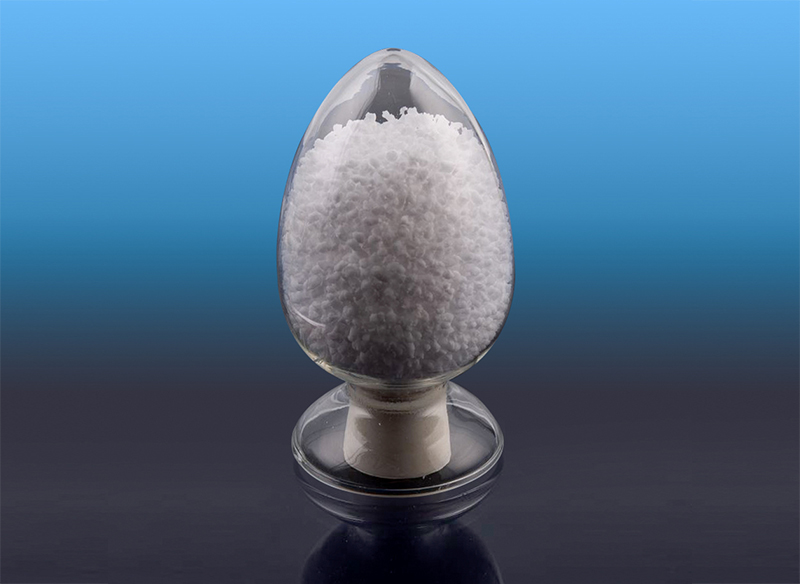
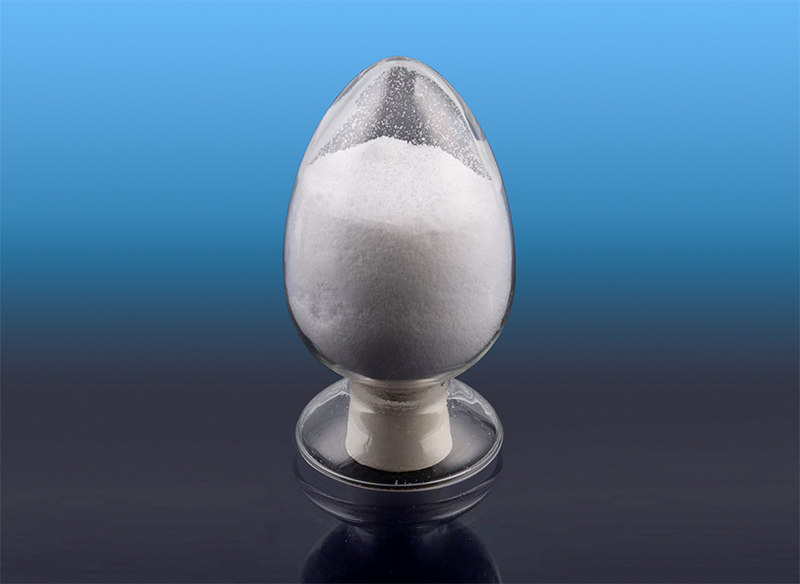
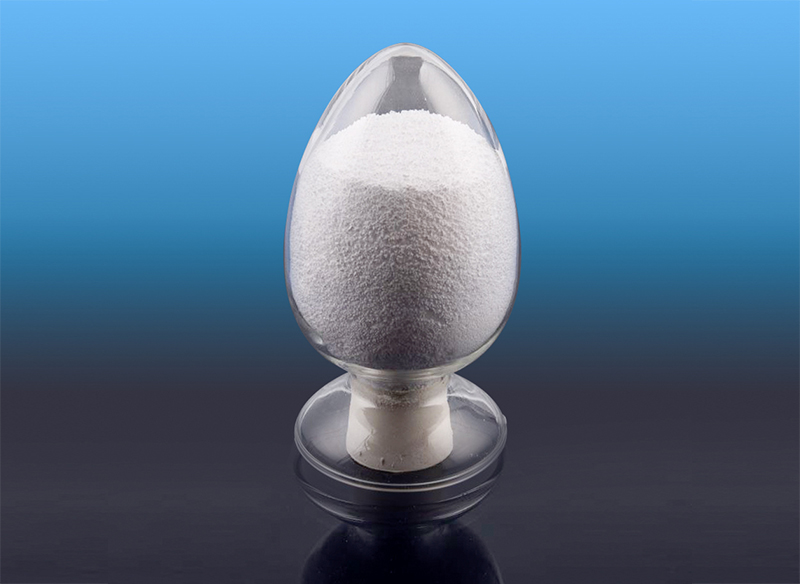
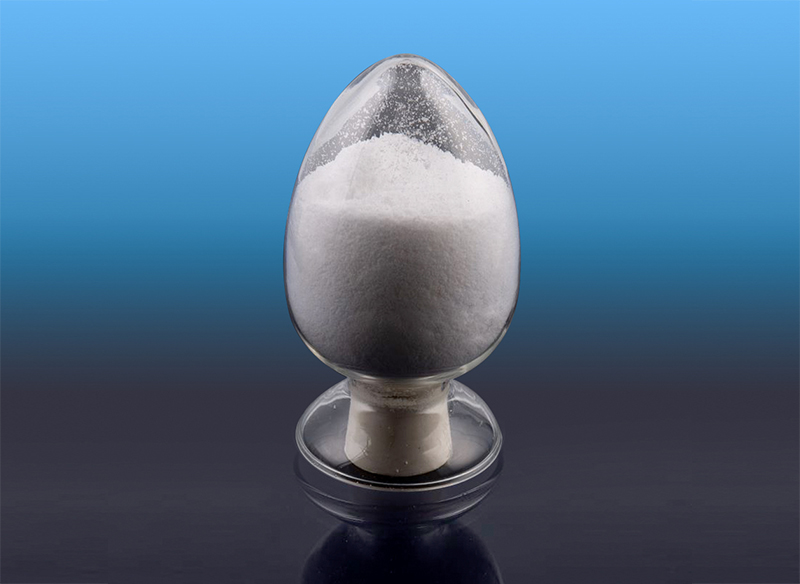
SEPS is available in pellet, crumb, and bale forms depending on the producer and grade. For hot melt adhesive processing, pellet form is standard to facilitate accurate metering and consistent melt-in rates. For solution processing and compounding applications, crumb or granulated forms that dissolve or disperse more readily may be preferred.