Language
 English
 中文简体
中文简体 Español
 русский
 +86-15268315011


What Makes SEP(S) Block Copolymer Effective as an Oil-Soluble Rheology Modifier?
Content
- 1 Understanding Hydrogenated Styrene-Isoprene Block Copolymer (SEP(S))
- 2 Linear and Star Topology: Structural Differences That Affect Performance
- 3 Primary Application: Optical Cable and Fiber Filling Paste
- 4 Cosmetic Thickening and Lubricating Oil Applications
- 5 Zhongli W Series: Sequence-Controlled Triblock Copolymers
- 6 Comparing SEP and W Series for Formulation Selection
- 7 Additional Uses in Coatings, Adhesives, and Asphalt Modification
- 8 Practical Considerations for Formulators Sourcing SEP(S)
Understanding Hydrogenated Styrene-Isoprene Block Copolymer (SEP(S))
Hydrogenated Styrene-Isoprene Block Copolymer, commonly abbreviated as SEP(S), is produced by polymerizing styrene and isoprene into a block structure and then hydrogenating the isoprene mid-block to convert it into a styrene-ethylene/propylene segment. This hydrogenation step removes the residual double bonds left over from the isoprene block, which significantly improves the polymer's resistance to oxidation, UV degradation, and thermal breakdown compared to non-hydrogenated styrenic block copolymers. The result is a stable, oil-compatible polymer that retains elasticity and thickening ability across a wide range of formulation environments.
The defining functional characteristics of SEP(S) are its oil solubility, optical transparency when dissolved in compatible oils, and its thixotropic and thickening behavior. These properties make it a preferred rheology modifier in applications where a formulator needs to raise viscosity, add gel-like structure, or stabilize a paste without introducing haze or compromising the chemical stability of the base oil.
Linear and Star Topology: Structural Differences That Affect Performance
SEP(S) copolymers are synthesized in two distinct topologies, and the choice between them has a direct effect on how the polymer behaves once dissolved into an oil-based system.
Linear SEP(S) Structure
Linear grades follow a straight diblock or triblock chain arrangement. This structure typically produces lower solution viscosity at equivalent polymer loading, faster dissolution rates, and more predictable flow behavior, which makes linear grades easier to process in continuous production lines such as cable filling compound extrusion.
Star Topology Structure
Star-shaped molecules have multiple polymer arms radiating from a central core, which increases the effective hydrodynamic volume of the molecule in solution. This typically results in stronger thickening efficiency at lower dosage levels and more pronounced thixotropic behavior, meaning the material's viscosity drops more noticeably under shear and recovers once shear is removed. Star grades are often favored where higher gel strength or sag resistance is needed without excessive polymer loading.
Primary Application: Optical Cable and Fiber Filling Paste
One of the most technically demanding uses of SEP(S) is as a thickener in optical cable and fiber filling pastes, sometimes called cable jelly or fiber optic gel. These pastes fill the interstitial space inside cable buffer tubes to prevent water ingress and protect the glass fiber from mechanical stress. The filling compound must maintain a stable, non-dripping gel consistency across a wide service temperature range, typically from around -40°C to 70°C, while remaining soft enough not to induce microbending losses in the fiber.
SEP(S) is well suited to this role because its hydrogenated backbone resists the long-term oxidative hardening that would otherwise cause the paste to stiffen and crack over the multi-decade service life expected of buried or aerial cable installations. Its high oil solubility also allows formulators to achieve the target gel strength using base mineral or synthetic oils without needing aggressive processing temperatures that could degrade other additives in the compound.
Cosmetic Thickening and Lubricating Oil Applications
Cosmetic and Personal Care Thickening
In cosmetic formulations, SEP(S) is used to build viscosity and structure in oil-based products such as lip balms, cleansing balms, and anhydrous serums. Because the polymer is transparent when properly dissolved, it allows formulators to achieve a clear or translucent finish rather than the cloudy appearance that some wax-based thickeners produce. It also imparts a smooth, non-tacky sensory profile, which is a common formulation goal in premium oil-based skincare products.
Lubricating Oil Viscosity Index Improvement
In lubricant formulation, SEP(S) functions as a viscosity index improver, meaning it helps the oil maintain a more consistent viscosity across a wide temperature range rather than thinning excessively at high temperatures or thickening too much in the cold. The polymer chains coil tightly at low temperatures, contributing minimal viscosity, and expand as temperature rises, compensating for the base oil's natural thinning tendency. This behavior extends the usable temperature range of the finished lubricant without requiring a heavier base oil that would compromise cold-flow properties.
Zhongli W Series: Sequence-Controlled Triblock Copolymers
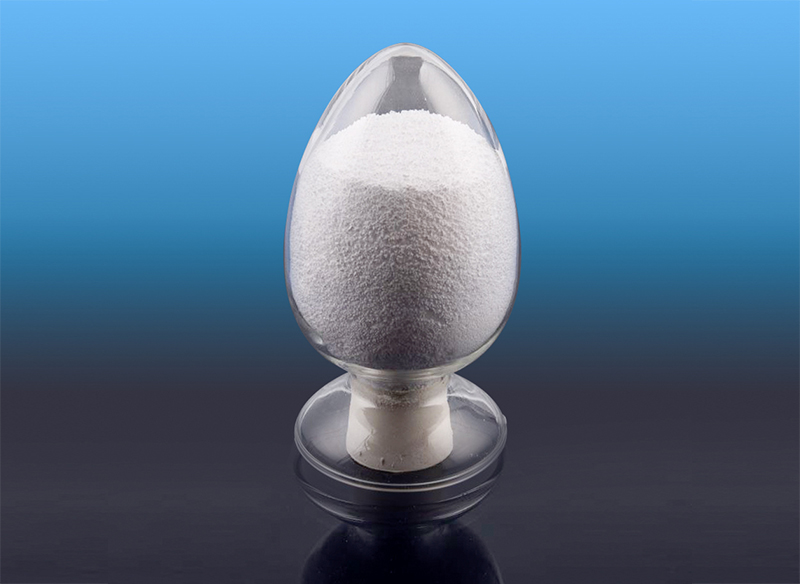
The W series represents a related but distinct product line built as linear styrene-ethylene/propylene-styrene triblock copolymers with a controlled sequence distribution. This controlled sequencing gives the W series notably improved compatibility with both mineral oil and other styrenic polymer systems, which broadens its usability in formulations that blend multiple polymer types or require strong miscibility with a specific oil grade.
This compatibility profile makes the W series a practical choice for jelly and wax-type formulations where a smooth, consistent gel texture is required, as well as in plastic modification applications where the copolymer is blended into a polyolefin or polystyrene matrix to adjust flexibility, impact resistance, or softness without significantly altering the base resin's processing characteristics.
Comparing SEP and W Series for Formulation Selection
Choosing between the SEP series and the W series depends largely on the target application and the specific balance of transparency, compatibility, and thickening efficiency required.
| Attribute | SEP Series | W Series |
| Structure | Linear or star diblock/triblock | Linear triblock, controlled sequence |
| Key Strength | High transparency, oil solubility, thixotropy | Compatibility with mineral oil and styrenic resins |
| Typical Use | Cable filling paste, cosmetics, lubricant VI improver | Jelly wax, plastic modification, blended systems |
Additional Uses in Coatings, Adhesives, and Asphalt Modification
Beyond its primary rheology modifier applications, SEP(S) also finds use in coatings, adhesives, and asphalt modification, where its elastomeric character and oil compatibility offer functional advantages beyond simple viscosity control.
- In coatings, SEP(S) can contribute sag resistance and film flexibility, particularly in oil-based or solvent-borne systems.
- In adhesive formulations, the polymer's elasticity and tack-building properties support pressure-sensitive and hot-melt adhesive systems that require flexibility under repeated stress.
- In asphalt modification, SEP(S) improves elastic recovery and low-temperature flexibility of the modified binder, helping pavement resist cracking under thermal cycling and traffic loading.
Practical Considerations for Formulators Sourcing SEP(S)
When evaluating SEP(S) grades for a specific formulation, key parameters to request from a supplier include the styrene content ratio, molecular weight and molecular weight distribution, solution viscosity at a standard test concentration, and the degree of hydrogenation, since incomplete hydrogenation can leave residual unsaturation that reduces long-term oxidative stability. Formulators should also request compatibility data with their specific base oil, since oil polarity and molecular weight significantly influence how well the polymer dissolves and how much thickening effect is achieved at a given dosage. Requesting sample batches for bench-scale trials remains the most reliable way to confirm that a given SEP(S) or W series grade will deliver the target rheology, clarity, and stability in the finished product.