Language
 English
 中文简体
中文简体 Español
 русский
 +86-15268315011


What Makes Hydrogenated Styrene-Butadiene Block Copolymer (SEBS) So Versatile?
Content
- 1 Introduction to Hydrogenated Styrene-Butadiene Block Copolymer (SEBS)
- 2 Chemical Structure and Composition of SEBS
- 3 Manufacturing Process of SEBS
- 4 Physical and Mechanical Properties of SEBS
- 5 Advantages of SEBS Over Traditional Elastomers
- 6 Applications of SEBS in the Automotive Industry
- 7 Medical and Healthcare Applications
- 8 SEBS in Consumer Products and Electronics
- 9 Polymer Modification and Adhesive Applications
- 10 Challenges and Limitations of SEBS
- 11 Future Trends and Market Development of SEBS
- 12 Conclusion
Introduction to Hydrogenated Styrene-Butadiene Block Copolymer (SEBS)
Hydrogenated Styrene-Butadiene Block Copolymer, commonly known as SEBS, is a high-performance thermoplastic elastomer widely used across multiple industrial sectors. SEBS is produced through the hydrogenation of Styrene-Butadiene-Styrene (SBS) block copolymers, resulting in improved thermal stability, weather resistance, chemical resistance, and durability. Due to its combination of rubber-like elasticity and thermoplastic processing capability, SEBS has become one of the most important elastomer materials in modern manufacturing.
SEBS is frequently used in automotive parts, medical devices, adhesives, consumer goods, electrical insulation, and polymer modification applications. Its excellent flexibility, non-toxic characteristics, and resistance to ultraviolet light make it especially valuable in environments where long-term material performance is essential.
Unlike traditional vulcanized rubber, SEBS can be processed using conventional thermoplastic manufacturing methods such as injection molding and extrusion. This provides manufacturers with greater production efficiency while maintaining desirable elastomeric properties.
Chemical Structure and Composition of SEBS
SEBS belongs to the family of styrenic block copolymers. Its molecular structure consists of polystyrene end blocks and an ethylene-butylene middle block created through the hydrogenation process. Hydrogenation converts the unsaturated butadiene segments into saturated ethylene-butylene chains, greatly improving oxidation and aging resistance.
The polystyrene blocks provide structural strength and thermoplastic behavior, while the rubbery ethylene-butylene segment delivers flexibility and elasticity. This combination allows SEBS to exhibit both mechanical strength and soft-touch characteristics.
The absence of double bonds in the hydrogenated backbone significantly enhances resistance to heat, ozone, and ultraviolet radiation. As a result, SEBS performs better than SBS in demanding environmental conditions.
Key Structural Characteristics
- Polystyrene end blocks provide rigidity and processability.
- Ethylene-butylene midblock delivers elasticity and flexibility.
- Hydrogenated structure improves oxidation resistance.
- Saturated polymer backbone increases weather stability.
- Thermoplastic behavior allows recyclable processing methods.
Manufacturing Process of SEBS
The production of SEBS begins with the synthesis of SBS block copolymer through anionic polymerization. In this process, styrene and butadiene monomers are polymerized in a controlled sequence to form block structures.
After SBS formation, the material undergoes hydrogenation. Hydrogen gas reacts with the butadiene double bonds in the presence of catalysts under controlled temperature and pressure conditions. This hydrogenation step transforms the unsaturated butadiene units into saturated ethylene-butylene segments.
The degree of hydrogenation directly affects the final material properties. High hydrogenation levels improve thermal stability, UV resistance, and oxidation performance while maintaining flexibility and elasticity.
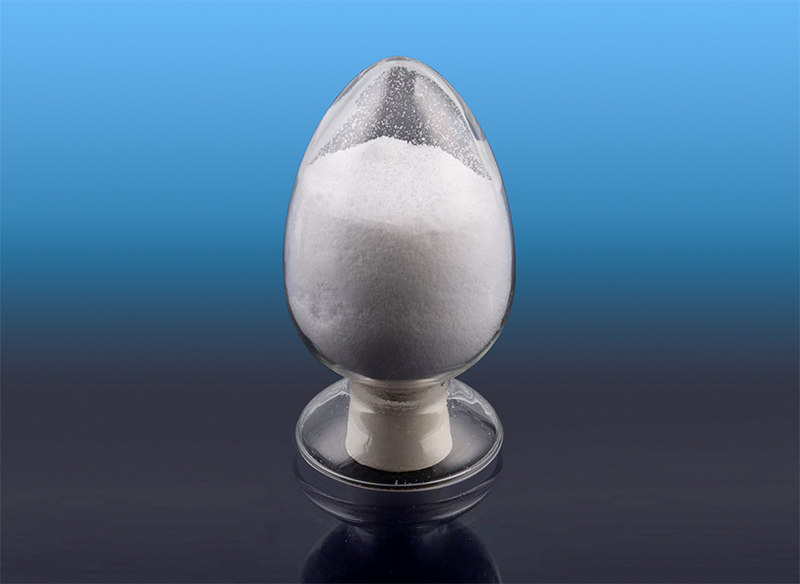
After hydrogenation, the polymer is purified, pelletized, and prepared for industrial applications. Manufacturers may also blend SEBS with oils, fillers, stabilizers, or other polymers to achieve customized performance characteristics.
Physical and Mechanical Properties of SEBS
SEBS offers a balanced combination of flexibility, strength, and environmental resistance. These properties make it highly suitable for applications requiring both durability and soft tactile performance.
| Property | Performance Characteristic | Industrial Benefit |
| Elasticity | High flexibility | Improved soft-touch applications |
| UV Resistance | Excellent weather stability | Long outdoor lifespan |
| Thermal Stability | High heat resistance | Reliable high-temperature performance |
| Chemical Resistance | Resists many chemicals and oils | Suitable for industrial environments |
| Electrical Insulation | Good insulating properties | Used in electronics and cables |
| Processability | Easy thermoplastic molding | Lower manufacturing costs |
The material can maintain flexibility across a wide temperature range while resisting cracking, discoloration, and degradation caused by environmental exposure.
Advantages of SEBS Over Traditional Elastomers
SEBS provides several important advantages compared to conventional rubber materials and non-hydrogenated thermoplastic elastomers. One of the most valuable benefits is its excellent resistance to environmental aging.
Traditional rubbers may degrade over time when exposed to heat, oxygen, ozone, or sunlight. SEBS maintains its mechanical integrity and appearance under these conditions due to its saturated polymer backbone.
Another major advantage is processability. Unlike thermoset rubber, SEBS can be processed repeatedly using thermoplastic manufacturing equipment. This simplifies production, reduces waste, and supports recycling initiatives.
Major Advantages of SEBS
- Excellent UV and ozone resistance.
- High flexibility and soft-touch characteristics.
- Strong resistance to oxidation and aging.
- Easy injection molding and extrusion processing.
- Recyclable thermoplastic material behavior.
- Low toxicity suitable for medical and consumer applications.
Applications of SEBS in the Automotive Industry
The automotive industry extensively uses SEBS due to its durability, flexibility, and weather resistance. Vehicle components are frequently exposed to sunlight, heat, vibration, and chemical exposure, making SEBS an ideal material for long-term performance.
SEBS is commonly used in interior soft-touch components, sealing systems, cable insulation, dashboard parts, gaskets, and vibration-damping elements. Its excellent tactile feel and aesthetic stability make it particularly suitable for visible interior applications.
Because SEBS maintains flexibility at low temperatures while resisting heat degradation, it performs reliably across diverse environmental conditions encountered in automotive use.
Medical and Healthcare Applications
SEBS has become increasingly important in medical and healthcare manufacturing due to its non-toxic characteristics and sterilization resistance. Unlike some traditional elastomers containing plasticizers or harmful additives, SEBS can be formulated for biocompatibility.
Medical tubing, syringe components, diagnostic device housings, seals, grips, and wearable healthcare products often use SEBS materials. The polymer’s flexibility and softness improve patient comfort while maintaining product durability.
SEBS also offers excellent transparency and colorability, allowing manufacturers to create visually appealing and hygienic medical products.
SEBS in Consumer Products and Electronics
Consumer product manufacturers value SEBS for its soft texture, durability, and design flexibility. The material is widely used in toothbrush handles, kitchen utensils, phone accessories, sports equipment, toys, and wearable devices.
In electronics, SEBS serves as an insulating and protective material for cables, connectors, and device housings. Its electrical insulation properties and resistance to environmental aging support reliable long-term performance.
The ability to combine SEBS with polypropylene and other plastics also allows manufacturers to create lightweight multi-material components with improved functionality.
Polymer Modification and Adhesive Applications
SEBS is frequently used as a modifier in polymer blends to improve impact resistance, flexibility, and softness. It can enhance the performance of polypropylene, polyethylene, engineering plastics, and asphalt materials.
In adhesive formulations, SEBS contributes flexibility, thermal stability, and strong bonding performance. Hot melt adhesives and pressure-sensitive adhesives commonly incorporate SEBS to improve product durability and processing efficiency.
Asphalt modification is another important application. SEBS-enhanced asphalt materials demonstrate improved flexibility, crack resistance, and weather durability for road construction and waterproofing systems.
Challenges and Limitations of SEBS
Although SEBS provides many advantages, it also has certain limitations. Compared to some engineering plastics, SEBS may have lower mechanical strength and reduced high-load structural performance.
The hydrogenation process increases manufacturing complexity and production costs compared to non-hydrogenated elastomers such as SBS. This may affect material selection in cost-sensitive applications.
SEBS also has limited resistance to certain solvents and may require formulation adjustments depending on the intended application environment.
Future Trends and Market Development of SEBS
Global demand for SEBS continues to grow as industries seek advanced materials that combine flexibility, durability, and environmental resistance. Increasing demand for lightweight automotive components, medical devices, and soft-touch consumer products is driving market expansion.
Sustainability initiatives are also influencing SEBS development. Manufacturers are exploring recyclable formulations, bio-based raw materials, and environmentally friendly production methods to reduce environmental impact.
Technological advancements in polymer engineering are expected to further improve SEBS performance characteristics, including heat resistance, mechanical strength, and processing efficiency.
Conclusion
Hydrogenated Styrene-Butadiene Block Copolymer, or SEBS, is a highly versatile thermoplastic elastomer that combines the flexibility of rubber with the processing advantages of thermoplastics. Its hydrogenated structure provides excellent resistance to heat, oxidation, ultraviolet light, and environmental aging.
SEBS plays an important role in automotive manufacturing, medical devices, consumer products, adhesives, electronics, and polymer modification applications. Its ability to deliver softness, durability, chemical resistance, and processability makes it one of the most valuable elastomer materials in modern industry.
As manufacturing technologies and sustainability requirements continue to evolve, SEBS is expected to remain a critical material for high-performance industrial and consumer applications worldwide.