Language
 English
 中文简体
中文简体 Español
 русский
 +86-15268315011


How Do You Properly Use Hydrogenated Isoprene Polymer (EP) in Industrial and Lubricant Applications?
Hydrogenated isoprene polymer, commonly designated as EP in the specialty polymer and lubricant additive industry, is a synthetic hydrocarbon polymer produced by the controlled hydrogenation of polyisoprene. The hydrogenation process saturates the carbon-carbon double bonds present in the isoprene backbone, transforming what was originally an unsaturated elastomeric material into a chemically stable, oxidation-resistant, thermally robust polymer. This structural transformation gives EP its defining characteristics: excellent thermal stability across a wide temperature range, outstanding resistance to oxidative degradation, low pour points, and highly consistent viscometric behavior. Understanding how to use this material correctly—in terms of handling, incorporation, formulation design, and application-specific optimization—is essential for achieving the performance benefits it offers across lubricants, adhesives, sealants, coatings, and polymer blends.
Content
- 1 Understanding the Physical Form and Handling Requirements of EP
- 2 Using EP as a Viscosity Index Improver in Lubricant Formulations
- 3 Shear Stability Management When Using EP
- 4 Application in Adhesives, Sealants, and Hot Melt Systems
- 5 Using EP in Polymer Blends and Thermoplastic Elastomer Systems
- 6 Key Performance Parameters and Typical Usage Data
- 7 Compatibility Testing and Formulation Validation Best Practices
- 8 Safety, Regulatory Considerations, and Waste Disposal
Understanding the Physical Form and Handling Requirements of EP
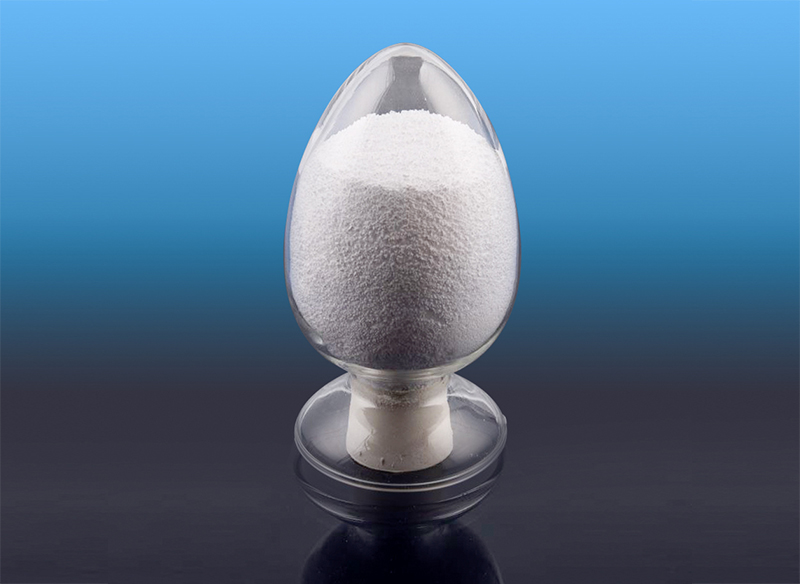
Before discussing how hydrogenated isoprene polymer is used in specific applications, it is important to understand its physical characteristics, because these directly govern how it must be handled, stored, and incorporated into formulations. EP is typically supplied as a pale to colorless viscous liquid or semi-solid at room temperature, depending on its molecular weight grade. Lower molecular weight grades tend to be more fluid and easier to pump and blend at ambient temperature, while higher molecular weight grades may require moderate heating—typically to 40–80°C—to achieve a workable viscosity for accurate dosing and mixing.
Storage should be in sealed containers away from direct sunlight and sources of ignition, at temperatures between 5°C and 40°C. Although the hydrogenation process has substantially reduced the chemical reactivity of the polymer backbone compared to unsaturated polyisoprene, prolonged exposure to elevated temperatures in storage can cause slight viscosity changes over time. Containers should be kept closed between uses to prevent moisture ingress, which can affect the compatibility of EP in certain anhydrous formulations such as high-performance gear oils and transformer fluids. In industrial settings where EP is handled in bulk, heated transfer lines and insulated storage tanks with mild agitation are standard practice to maintain consistent product viscosity during transfer operations.
Using EP as a Viscosity Index Improver in Lubricant Formulations
The most widespread industrial use of hydrogenated isoprene polymer is as a viscosity index (VI) improver in engine oils, gear oils, hydraulic fluids, and industrial lubricants. A viscosity index improver works by modifying the relationship between temperature and viscosity: as temperature increases, the polymer chains expand and contribute more to the fluid's resistance to flow, partially compensating for the natural thinning effect of heat on the base oil. At low temperatures, the polymer chains contract and contribute less, avoiding excessive thickening that would impair cold-start performance.
Selecting the Correct Treat Rate
The treat rate of EP in a lubricant formulation—expressed as a percentage by weight of the total finished fluid—is the primary variable the formulator controls to achieve the target viscosity grade. Typical treat rates for EP as a VI improver in passenger car motor oils range from 3% to 12% depending on the base oil's natural viscosity index, the target multigrade specification (such as SAE 5W-30 or 0W-40), and the molecular weight of the EP grade being used. Higher molecular weight EP grades deliver more viscosity contribution per unit weight, allowing lower treat rates for the same viscosity target, but they also impose greater thickening in the shear stability test, which must be carefully managed.
Dissolution and Blending Procedure
EP does not dissolve instantaneously in base oil at room temperature. For efficient incorporation, the base oil should be preheated to 60–80°C in a blending vessel equipped with moderate agitation—a paddle mixer or recirculation pump is suitable; high-shear mixing should be avoided during dissolution as it can cause unnecessary mechanical degradation of the polymer chains. The EP is added slowly to the heated, agitated base oil and allowed to dissolve fully before other additives are introduced. Complete dissolution typically requires 1–4 hours depending on the EP molecular weight, base oil viscosity, temperature, and the efficiency of agitation. Visual clarity of the blend and measurement of kinematic viscosity at 100°C are the standard indicators that dissolution is complete.
Shear Stability Management When Using EP
One of the most technically important aspects of using hydrogenated isoprene polymer as a VI improver is managing its shear stability—its resistance to permanent viscosity loss when subjected to high mechanical shear forces in service. All polymeric VI improvers experience some degree of permanent viscosity loss in high-shear environments such as engine valve trains, gear tooth contacts, and hydraulic pump clearances, where polymer chains can be mechanically degraded into shorter fragments that contribute less to viscosity.
EP grades are characterized by their PSSI (Permanent Shear Stability Index)—a standardized measure of how much viscosity the polymer causes the finished oil to lose after a defined shear degradation cycle. A lower PSSI indicates better shear stability. When using EP, formulators must select a grade whose PSSI, combined with the chosen treat rate, results in a finished oil that still meets its minimum viscosity specification after shear degradation in the KRL (Tapered Roller Bearing) or ASTM D6278 diesel injector tests. High treat rates of low-shear-stability EP grades can lead to oils that pass fresh viscosity specifications but fall below the minimum after field use, causing bearing wear and warranty issues.
Application in Adhesives, Sealants, and Hot Melt Systems
Beyond lubricants, hydrogenated isoprene polymer finds significant use in pressure-sensitive adhesives (PSAs), hot melt adhesives, and sealant systems, where its saturated backbone provides thermal and oxidative stability that unsaturated elastomers cannot match. In these applications, EP functions as a base polymer or as a modifier that adjusts the rheological and adhesion properties of the formulation.
- Hot melt adhesive use: EP is typically blended with tackifying resins (such as hydrogenated rosin esters or C5/C9 hydrocarbon resins) and plasticizing oils at temperatures of 150–180°C. The processing temperature must be carefully controlled—prolonged exposure above 200°C can initiate thermal degradation even in the saturated EP backbone, causing discoloration and viscosity reduction. Antioxidant packages (hindered phenols combined with phosphite co-stabilizers) should be included in hot melt formulations at 0.3–1.0% treat levels to protect EP integrity during high-temperature processing and end-use exposure.
- Pressure-sensitive adhesive use: In solvent-based PSA formulations, EP is dissolved in aliphatic or aromatic solvents at 20–40% solids concentration. The key formulation variable is the ratio of EP to tackifying resin, which controls the balance between peel adhesion (favored by higher resin content) and cohesive strength (favored by higher polymer content). The saturated nature of EP gives PSAs excellent UV resistance and long-term adhesion retention on outdoor or UV-exposed substrates where unsaturated SIS or natural rubber-based adhesives would degrade and lose tack within months.
- Sealant applications: In one- or two-component sealant systems, EP contributes flexibility, low-temperature performance, and chemical resistance. Its compatibility with paraffinic oils and hydrocarbon resins makes it easy to incorporate into compound formulations without the compatibility testing challenges that arise with polar polymers.
Using EP in Polymer Blends and Thermoplastic Elastomer Systems
Hydrogenated isoprene polymer is also used as a compatibilizer and soft-phase component in thermoplastic elastomer (TPE) blends and as a processing aid in polyolefin compounds. Its structural similarity to polyethylene and polypropylene—both being saturated hydrocarbon polymers—gives it excellent thermodynamic compatibility with polyolefin matrices, allowing it to be incorporated without the phase separation problems that can occur with more polar polymers.
In polyolefin blends, EP is typically introduced during melt compounding in a twin-screw extruder or internal mixer. Processing temperatures for polyethylene-based compounds typically range from 160–220°C, while polypropylene compounds are processed at 190–240°C. EP's excellent thermal stability ensures it survives these processing temperatures without significant degradation, provided the residence time in the extruder is not excessive. The addition of EP at 5–20% by weight in polyolefin compounds reduces hardness, improves low-temperature impact resistance and flexibility, and can enhance the surface feel (haptics) of the finished part—properties that are valuable in automotive interior components, flexible packaging, and consumer goods applications.
Key Performance Parameters and Typical Usage Data
The table below summarizes the key application areas for hydrogenated isoprene polymer (EP), along with typical treat rates, processing temperatures, and the primary performance benefit delivered in each context.
| Application Area | Typical Treat Rate | Processing Temperature | Primary Benefit |
| Engine oil VI improver | 3–12 wt% | 60–80°C (blending) | Multigrade viscosity control |
| Gear oil / hydraulic fluid | 2–8 wt% | 60–80°C (blending) | Shear-stable VI improvement |
| Hot melt adhesive | 20–50 wt% | 150–180°C | Thermal stability, UV resistance |
| Pressure-sensitive adhesive | 30–60 wt% (of polymer phase) | Ambient (solvent) / 150°C (HM) | Long-term tack retention |
| Polyolefin compound modifier | 5–20 wt% | 180–240°C (extrusion) | Flexibility, low-temperature impact |
Compatibility Testing and Formulation Validation Best Practices
Regardless of the application, a structured compatibility and performance validation process should accompany any new use of hydrogenated isoprene polymer in a formulation. EP is generally compatible with paraffinic and naphthenic mineral oils, synthetic hydrocarbon base stocks (PAO, PIB), aliphatic solvents, and non-polar polymers. However, its compatibility with highly polar base fluids such as polyalkylene glycols (PAGs), phosphate esters, or ester-based synthetics is limited, and phase separation or incompatibility can occur at elevated temperatures or after extended storage.
- Compatibility screening: Always prepare small-scale test blends at the intended treat rate and store at both ambient temperature and 60°C for 7–14 days, checking for phase separation, haziness, or sediment formation before committing to full-scale production batches.
- Viscosity-temperature profiling: Measure kinematic viscosity at both 40°C and 100°C (ASTM D445) and calculate the viscosity index (ASTM D2270) to confirm the EP treat rate is achieving the intended VI improvement before proceeding to full performance testing.
- Shear stability testing: For lubricant applications, run the KRL shear stability test (CEC L-45) or ASTM D6278 sonic shear test on prototype formulations to confirm the finished oil will meet its kinematic viscosity specification after mechanical degradation in service.
- Oxidation stability validation: Use RPVOT (ASTM D2272) or PDSC testing to confirm that the EP-containing formulation meets the oxidation stability requirements of the target application, particularly for long-drain engine oils or extended-service hydraulic fluids where oxidative degradation over tens of thousands of operating hours is the primary life-limiting mechanism.
- Low-temperature performance: For multigrade lubricants, measure cold cranking simulator (CCS) viscosity (ASTM D5293) and mini-rotary viscometer (MRV) results to confirm the EP treat rate and molecular weight grade are not causing unacceptable low-temperature thickening that would impair cold-start lubrication.
Safety, Regulatory Considerations, and Waste Disposal
Hydrogenated isoprene polymer is generally regarded as a low-hazard material under normal handling conditions. It is non-toxic, non-corrosive, and does not present acute inhalation or dermal hazards at ambient temperatures. However, when heated above 150°C—as occurs in hot melt adhesive processing or high-temperature polymer compounding—adequate ventilation should be provided to prevent accumulation of any thermal degradation vapors in the workspace. Standard industrial hygiene practices, including the use of heat-resistant gloves and eye protection during handling of heated material, are appropriate precautions.
From a regulatory standpoint, EP complies with the hydrocarbon polymer listings in major chemical inventories including TSCA (USA), REACH (EU), and equivalent national regulations in most major markets, making it straightforward to incorporate into commercial formulations without special registration requirements in most jurisdictions. Waste disposal should follow local regulations for hydrocarbon polymer waste—incineration at licensed facilities is the preferred disposal route for contaminated or off-specification material. Used lubricants and adhesive formulations containing EP should be handled as used oil or industrial waste according to applicable environmental regulations, and should not be discharged to drains or waterways.