Language
 English
 中文简体
中文简体 Español
 русский
 +86-15268315011


What Makes Hydrogenated Styrene-Butadiene Block Copolymer (SEBS) a Superior Elastomer for Modern Applications?
Content
- 1 What Is Hydrogenated Styrene-Butadiene Block Copolymer (SEBS)?
- 2 The Hydrogenation Process and Why It Matters
- 3 Key Physical and Chemical Properties of SEBS
- 4 Major Industrial Applications of SEBS
- 5 SEBS vs. Other Thermoplastic Elastomers: How Does It Compare?
- 6 Processing Methods and Formulation Considerations
- 7 Sustainability and Future Outlook for SEBS
What Is Hydrogenated Styrene-Butadiene Block Copolymer (SEBS)?
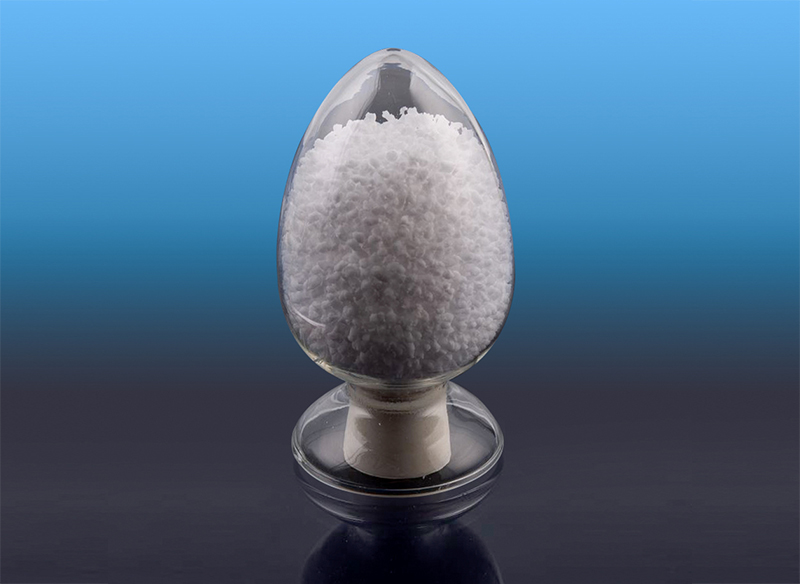
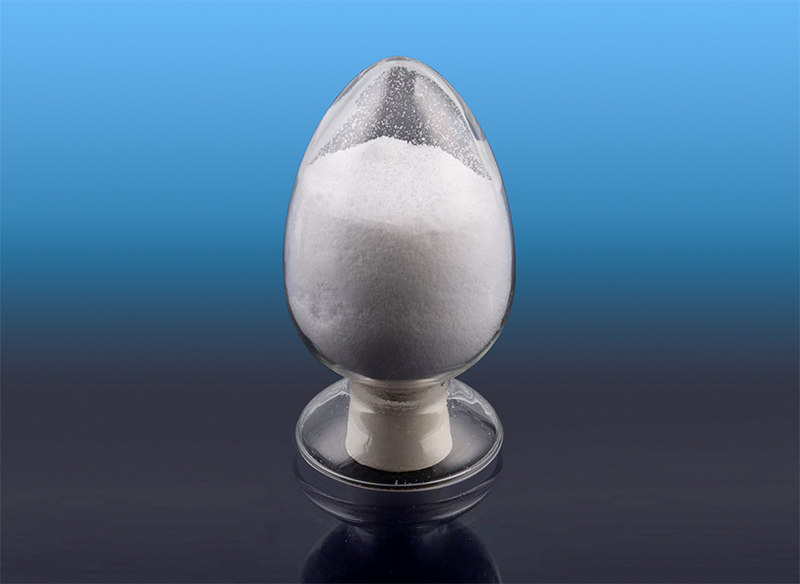
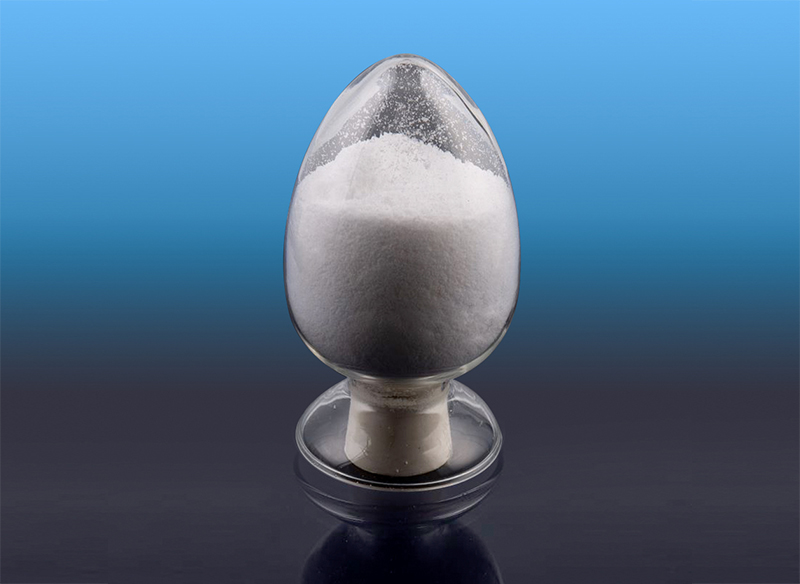
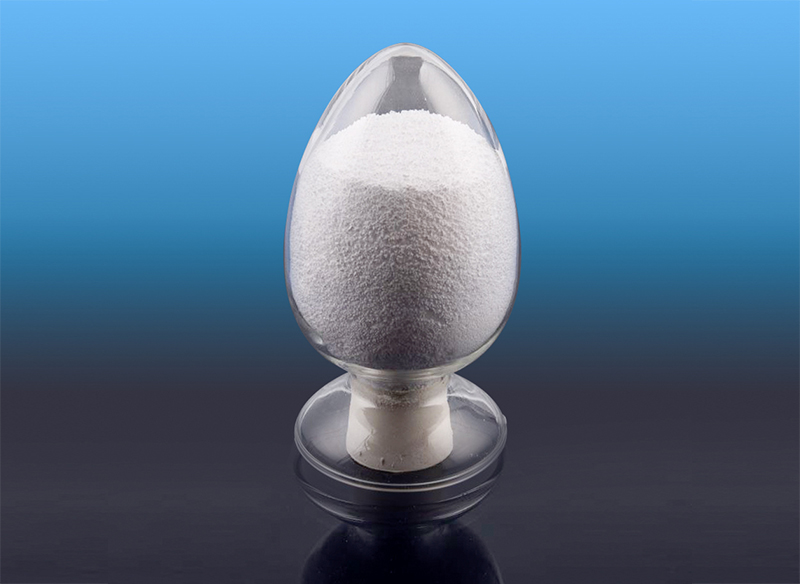
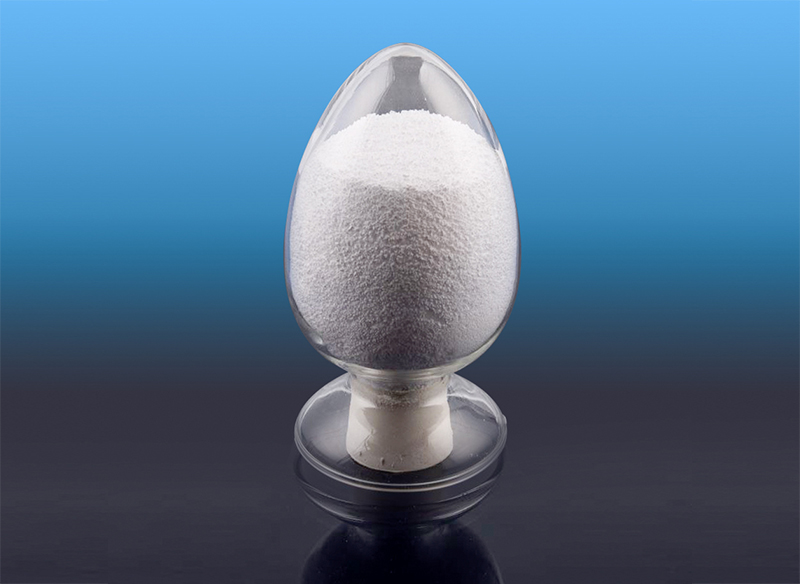
Hydrogenated Styrene-Butadiene Block Copolymer, universally known by its abbreviation SEBS, is a high-performance thermoplastic elastomer (TPE) produced by selectively hydrogenating the polybutadiene midblock of a styrene-butadiene-styrene (SBS) triblock copolymer. The hydrogenation process converts the unsaturated double bonds in the butadiene segment into a saturated ethylene-butylene (EB) midblock, yielding a material with dramatically improved thermal stability, UV resistance, and chemical durability compared to its unhydrogenated predecessor. The resulting polymer retains the rubber-like elasticity and flexibility characteristic of SBS while gaining the reliability demanded by long-life engineering applications.
Structurally, SEBS is a triblock architecture where two rigid polystyrene (PS) end blocks anchor a soft, flexible ethylene-butylene midblock. At service temperatures below the glass transition temperature of the PS domains (approximately 90–100 °C), the hard polystyrene segments act as physical crosslinks, creating a network that delivers elastic recovery without the need for chemical vulcanization. This makes SEBS a true thermoplastic: it can be melted and reprocessed repeatedly, which is a critical advantage over conventionally vulcanized rubbers.
The Hydrogenation Process and Why It Matters
The transformation from SBS to SEBS occurs through catalytic hydrogenation, typically carried out in solution using homogeneous or heterogeneous transition-metal catalysts under controlled hydrogen pressure. During this reaction, the 1,2- and 1,4-polybutadiene repeat units are converted to ethylene and butylene units respectively. The degree of hydrogenation typically exceeds 98%, virtually eliminating residual unsaturation in the midblock.
This near-complete saturation is not merely a chemical detail — it has profound practical consequences. Unsaturated carbon-carbon double bonds are the primary sites of attack by ozone, oxygen, and UV radiation in rubber materials. By removing these sites, SEBS achieves exceptional weathering resistance and long-term outdoor durability, making it suitable for applications that would cause conventional SBS compounds to crack and degrade within months. The saturated midblock also contributes to improved resistance to oxidative aging, elevated temperatures, and a wider range of chemical environments.
Key Physical and Chemical Properties of SEBS
Understanding the property profile of SEBS helps explain its wide adoption across industries. The material combines the processing ease of thermoplastics with mechanical behavior closely resembling vulcanized rubber. Below is a summary of its most important characteristics:
| Property | Typical Value / Description |
| Hardness (Shore A) | 20–90 (tunable by formulation) |
| Service Temperature Range | −60 °C to +130 °C |
| Tensile Strength | 5–30 MPa (compound dependent) |
| UV & Ozone Resistance | Excellent (fully saturated midblock) |
| Chemical Resistance | Good to excellent (varies with solvent polarity) |
| Biocompatibility | Achievable; grades available for medical use |
| Recyclability | Yes — thermoplastically reprocessable |
| Transparency | Inherently translucent to transparent |
One of the most commercially important attributes of SEBS is its compatibility with mineral oils and polypropylene (PP). When blended with white mineral oil, the midblock swells and softens, allowing formulators to achieve very low hardness values without sacrificing cohesion. Compounding with PP, on the other hand, raises heat resistance and stiffness, enabling grades that perform reliably at temperatures approaching 130 °C under intermittent load.
Major Industrial Applications of SEBS
The versatile property profile of SEBS has made it a preferred material across a broad spectrum of end-use markets. Its combination of processability, durability, and regulatory-compliance potential allows it to address engineering challenges that neither conventional rubber nor rigid thermoplastics can solve alone.
Medical and Healthcare Devices
SEBS has become a leading material in medical applications because it can be formulated to meet stringent biocompatibility standards, including ISO 10993 and USP Class VI requirements. It is free of phthalate plasticizers and latex proteins, making it suitable for allergy-sensitive applications. Common medical uses include IV tube and bag components, syringe plunger tips, pharmaceutical closures, peristaltic pump tubing, and soft-touch grips on surgical instruments. Its transparency also allows visual inspection of fluid flow in tubing sets, which is a practical clinical advantage.
Automotive Components
The automotive sector demands materials that endure extreme temperature swings, fuel and oil exposure, mechanical fatigue, and UV degradation — all over a service life of a decade or more. SEBS-based compounds are used in weather seals, bellows, dust boots, wire harness grommets, vibration dampers, airbag covers, and soft-touch interior panels. Its ability to be overmolded onto rigid PP or engineering thermoplastic substrates makes SEBS particularly valuable for two-component parts where a soft grip or seal is needed on a structural backbone.
Consumer Goods and Personal Care
In consumer products, SEBS enables the soft-touch aesthetics and ergonomic grip that modern product designers demand. Toothbrush handles, razor grips, kitchen utensil handles, power tool grips, and baby product components all benefit from SEBS's comfortable feel, coloring flexibility, and food-contact compliance potential. Its odorless and tasteless character — especially important in food-contact and oral-care applications — is a distinct advantage over older styrenic elastomers.
Wire and Cable Insulation
SEBS compounds serve as jacket and insulation materials in low-voltage cables for consumer electronics, appliances, and industrial control systems. The material's inherent flexibility at low temperatures ensures cables remain pliable in cold environments, while its thermal stability and flame-retardant-additive compatibility address safety requirements. Halogen-free, flame-retardant SEBS formulations are increasingly used where regulatory compliance with RoHS and REACH directives is essential.
Adhesives, Sealants, and Coatings
SEBS is widely used as the base polymer in hot-melt pressure-sensitive adhesives (HMPSAs). Its high molecular weight grades provide excellent cohesive strength and creep resistance at elevated temperatures compared to SBS-based adhesives, making them suitable for labels, tapes, and hygiene product construction. In roofing membranes and waterproofing sealants, SEBS imparts elasticity and UV durability, resisting cracking and delamination over decades of outdoor exposure.
SEBS vs. Other Thermoplastic Elastomers: How Does It Compare?
The TPE market includes multiple material families, and selecting the right one requires understanding the trade-offs. SEBS occupies a distinct position due to its superior weathering resistance and processing latitude.
- SEBS vs. SBS: SBS is lower in cost but degrades significantly faster under UV and ozone exposure. For outdoor or long-life indoor applications, SEBS is the preferred choice. SBS remains dominant in price-sensitive disposable items and asphalt modification.
- SEBS vs. TPU (Thermoplastic Polyurethane): TPU offers higher abrasion resistance and mechanical strength but is more expensive, moisture-sensitive during processing, and less UV stable without additives. SEBS is easier to process and better suited for soft, flexible, low-hardness applications.
- SEBS vs. TPV (Thermoplastic Vulcanizate): TPV (typically EPDM/PP blends) delivers superior compression set resistance and higher service temperatures. However, SEBS offers better transparency and lower density, which matters in medical tubing and soft-touch consumer products.
- SEBS vs. Silicone: Silicone surpasses SEBS in extreme heat resistance (up to 200 °C+) and bio-inertness, but is considerably more expensive and difficult to process on standard thermoplastic equipment. SEBS provides a cost-effective alternative for moderate-temperature medical and consumer applications.
Processing Methods and Formulation Considerations
SEBS can be processed using conventional thermoplastic equipment, which is a significant commercial advantage. Injection molding, extrusion, blow molding, and overmolding are all feasible. Processing temperatures typically range from 180 °C to 230 °C depending on the grade and compound formulation. Because SEBS is highly oil-extendable, compound viscosity can be adjusted over a wide range by varying the oil-to-polymer ratio, giving formulators precise control over flow behavior and final part hardness.
Formulators typically combine SEBS with several additive categories to optimize performance for a specific application:
- Mineral oil (white or naphthenic): Softens the compound and reduces cost; naphthenic oils are often preferred for clarity.
- Polypropylene (PP): Increases heat resistance, hardness, and melt flow for easier processing.
- Fillers (calcium carbonate, talc, silica): Reduce cost and modify stiffness; silica can enhance tensile strength.
- Stabilizers (antioxidants, UV absorbers, HALS): Protect against thermal degradation during processing and long-term outdoor aging.
- Flame retardants: Halogen-free systems (e.g., aluminum hydroxide, magnesium hydroxide, phosphorus-based) can be incorporated for wire and cable or building applications.
Sustainability and Future Outlook for SEBS
As industries intensify their focus on circular economy principles, SEBS holds a notable advantage over thermoset rubber: it is fully recyclable through standard thermoplastic recycling streams. Scrap and end-of-life SEBS parts can be re-ground and recompounded without significant loss of properties, reducing material waste and supporting closed-loop manufacturing initiatives. Additionally, SEBS does not require vulcanization agents such as sulfur or peroxides, eliminating a category of potentially hazardous process chemicals.
Research and development activity in the SEBS space is directed toward several emerging frontiers. Bio-based feedstocks for styrene and butadiene monomers are under investigation to reduce the material's carbon footprint. Functionalized SEBS grades — modified with maleic anhydride, epoxy groups, or amine functionality — are expanding the material's compatibility with engineering polymers like nylon, polycarbonate, and ABS, opening new compounding possibilities for high-performance alloys. Meanwhile, growing demand from the electric vehicle sector for flexible, halogen-free, and thermally stable cable materials is expected to be a significant market growth driver through the coming decade.