Language
 English
 中文简体
中文简体 Español
 русский
 +86-15268315011


What Is Hydrogenated Isoprene Polymer (EP) and Why Does It Outperform Standard Elastomers?
Content
- 1 What Is Hydrogenated Isoprene Polymer (EP)?
- 2 How Hydrogenated Isoprene Polymer Is Produced
- 3 Key Physical and Chemical Properties
- 4 Thermal and Oxidative Stability in Detail
- 5 Role as a Viscosity Index Improver in Lubricant Formulations
- 6 Use as a Polymer Compatibilizer and Impact Modifier
- 7 Applications Across Industries
- 8 Selecting the Right Grade for Your Application
What Is Hydrogenated Isoprene Polymer (EP)?
Hydrogenated isoprene polymer, commonly designated as EP in technical and commercial contexts, is a synthetic elastomer produced by the catalytic hydrogenation of polyisoprene — the polymer backbone of natural rubber. In its unhydrogenated form, polyisoprene contains a high concentration of carbon-carbon double bonds along the main chain, which give the material its characteristic flexibility and elasticity but also make it vulnerable to oxidative, thermal, and ozone-induced degradation. Hydrogenation selectively saturates these double bonds by adding hydrogen atoms across them, converting the unsaturated backbone into a predominantly saturated polymer chain that is chemically far more stable under demanding service conditions.
The degree of hydrogenation is not always complete, and manufacturers can control this parameter to tune the balance between chemical stability and other material properties such as adhesion, compatibility with other polymers, and processing behavior. Fully hydrogenated grades approach the chemical inertness of polyethylene, while partially hydrogenated grades retain some residual unsaturation that can be useful for crosslinking reactions or adhesive formulations. This tunability is one of the features that makes hydrogenated isoprene polymers a versatile platform material across several distinct application categories, from high-performance seals and gaskets to specialty lubricant additives and polymer modification agents.
How Hydrogenated Isoprene Polymer Is Produced
The production of hydrogenated isoprene polymer begins with the synthesis of the polyisoprene precursor. Depending on the intended end use, the polyisoprene may be produced through anionic polymerization — which provides precise control over molecular weight, molecular weight distribution, and microstructure — or through Ziegler-Natta or other coordination polymerization processes. The microstructure of the precursor polyisoprene, specifically the ratio of cis-1,4, trans-1,4, and 3,4-addition units along the chain, influences the properties of the final hydrogenated product and must therefore be controlled carefully during the polymerization step.
Once the polyisoprene precursor has been synthesized and characterized, it undergoes catalytic hydrogenation. This is carried out in solution, typically in a hydrocarbon solvent, using a transition metal catalyst — commonly based on nickel, palladium, rhodium, or ruthenium — under elevated hydrogen pressure and temperature. The catalyst facilitates the addition of molecular hydrogen to the olefinic double bonds of the polymer backbone without causing chain scission or significant side reactions that would alter the molecular weight distribution. After hydrogenation, the catalyst is removed by filtration or extraction, the solvent is stripped, and the polymer is recovered and characterized for degree of hydrogenation, molecular weight, and residual unsaturation level using techniques such as proton nuclear magnetic resonance (¹H NMR) spectroscopy and gel permeation chromatography (GPC).
The degree of hydrogenation achieved in commercial production typically exceeds 95% and often reaches 98% or higher for grades intended for the most demanding thermal and oxidative stability applications. The precise hydrogenation level is a specification that purchasers should confirm with their supplier, as it directly determines the aging performance of the finished compound or formulation in which the polymer is used.
Key Physical and Chemical Properties
The hydrogenation process fundamentally transforms the property profile of polyisoprene, and understanding the resulting characteristics is essential for selecting the right grade and formulation approach for a given application. The table below summarizes the most important property changes that result from hydrogenation of the polyisoprene backbone.
| Property | Polyisoprene (Unhydrogenated) | Hydrogenated Isoprene Polymer (EP) |
| Backbone saturation | High unsaturation | Predominantly saturated |
| Thermal stability | Moderate (degrades above ~150°C) | High (stable well above 150°C) |
| Ozone resistance | Poor — surface cracking common | Excellent |
| UV and weathering resistance | Poor without stabilizer packages | Good to excellent |
| Oil and chemical resistance | Limited | Improved, grade-dependent |
| Flexibility at low temperature | Good | Good to excellent |
| Compatibility with polyolefins | Limited | High — excellent compatibilizer |
Beyond the chemical stability improvements, hydrogenated isoprene polymers retain the fundamental elastomeric character of their polyisoprene precursor — low glass transition temperature, high resilience, and good elongation at break. The glass transition temperature (Tg) of fully hydrogenated grades is typically in the range of −60°C to −65°C, which means the material remains flexible and functional in cold climates and low-temperature service environments. This combination of thermal stability at the upper end and flexibility at the lower end of the service temperature range is one of the most compelling performance attributes of EP-grade hydrogenated isoprene polymer.
Thermal and Oxidative Stability in Detail
The superior thermal and oxidative stability of hydrogenated isoprene polymer relative to natural rubber or standard synthetic polyisoprene can be understood at the molecular level. Oxidative degradation of unsaturated elastomers proceeds through a free-radical chain mechanism: atmospheric oxygen attacks the allylic carbon atoms adjacent to double bonds, generating peroxy radicals that propagate chain scission and crosslinking reactions throughout the polymer network. This process leads to surface hardening, cracking, loss of tensile strength, and ultimately complete failure of the rubber component — a well-known failure mode in aged natural rubber seals and hoses.
In hydrogenated isoprene polymer, the removal of the vast majority of double bonds eliminates the primary attack sites for oxidative free radicals. The saturated backbone is far less reactive toward oxygen, ozone, and UV radiation, dramatically slowing the oxidative aging process. Accelerated aging tests — such as those conducted at 100°C to 150°C in air-circulating ovens for extended periods — demonstrate that hydrogenated isoprene polymer retains a significantly higher fraction of its original tensile strength, elongation at break, and hardness compared to unhydrogenated polyisoprene under identical aging conditions. This translates directly to longer component service life in applications where heat and oxygen exposure are unavoidable.
Role as a Viscosity Index Improver in Lubricant Formulations
One of the most commercially significant applications of hydrogenated isoprene polymer is as a viscosity index (VI) improver in lubricating oil formulations, particularly in automotive engine oils, gear oils, and hydraulic fluids. Viscosity index is a measure of how much a lubricant's viscosity changes with temperature: a high VI means the oil maintains relatively consistent viscosity across a wide temperature range, which is essential for effective lubrication during cold starts and sustained high-temperature operation.
Hydrogenated isoprene polymers function as VI improvers through a well-understood coil-expansion mechanism. At low temperatures, the polymer chains adopt a compact, coiled conformation and contribute relatively little to the viscosity of the base oil. As temperature rises and the base oil thins, the polymer chains expand and entangle more extensively, partially compensating for the viscosity loss and keeping the overall oil viscosity within a usable range. The hydrogenated backbone is critical in this application because it must withstand the mechanical shear forces present in engine bearings and gear contacts — which can degrade unsaturated polymer chains through a process called shear degradation — as well as the thermal and oxidative conditions inside an operating engine or gearbox.
Compared to other VI improver chemistries such as olefin copolymers (OCP), styrene-butadiene copolymers, or polymethacrylates (PMA), hydrogenated isoprene polymers offer a favorable combination of thickening efficiency, shear stability, and low-temperature performance. Their narrow molecular weight distribution — particularly achievable when the precursor polyisoprene is made by anionic polymerization — contributes to predictable, consistent VI improvement behavior across a range of base oil types.
Use as a Polymer Compatibilizer and Impact Modifier
Hydrogenated isoprene polymer finds important application as a compatibilizer and impact modifier in polymer blends, particularly in systems involving polyolefins such as polypropylene (PP) and polyethylene (PE). The saturated hydrocarbon backbone of the hydrogenated polymer gives it thermodynamic compatibility with polyolefin matrices, allowing it to act as an interfacial agent that reduces the interfacial tension between incompatible polymer phases and promotes a finer, more stable dispersed phase morphology in the blend.
When added to polypropylene in concentrations typically ranging from 5% to 20% by weight, hydrogenated isoprene polymer significantly improves the low-temperature impact strength of the rigid matrix without the severe stiffness penalty that often accompanies rubber toughening. This is because the rubber particles are finely and uniformly dispersed throughout the polypropylene matrix, allowing them to effectively absorb crack propagation energy through a cavitation and shear yielding mechanism when the material is subjected to impact loading. Applications for these impact-modified polypropylene blends include automotive interior trim components, appliance housings, tool handles, and consumer goods that must survive cold-weather drop impacts.
Applications Across Industries
The combination of properties offered by hydrogenated isoprene polymer makes it relevant across a diverse set of industries and product categories. Each application leverages a specific subset of the material's performance attributes.
- Automotive lubricants: as a VI improver in multigrade engine oils, automatic transmission fluids, and gear lubricants, where shear stability and thermal resistance are critical performance requirements over the full drain interval
- Seals and gaskets: in applications requiring resistance to heat aging, ozone, and weathering — such as HVAC system seals, outdoor electrical enclosure gaskets, and under-hood automotive rubber components
- Adhesive and sealant formulations: partially hydrogenated grades provide excellent adhesion to polyolefin substrates and compatibility with tackifier resins, making them useful in hot melt adhesives for packaging, labels, and nonwoven fabric bonding
- Polymer modification: as an impact modifier and compatibilizer in polypropylene, polyethylene, and thermoplastic elastomer (TPE) compounds for automotive, consumer goods, and industrial applications
- Medical and pharmaceutical applications: high-purity grades with low extractables and excellent biocompatibility are used in medical tubing, drug delivery device components, and pharmaceutical stoppers where compliance with regulatory standards for indirect food and drug contact is required
- Wire and cable insulation: the electrical insulation properties and thermal stability of hydrogenated isoprene polymer make it suitable for specialty cable jackets and insulation compounds used in elevated-temperature environments
Selecting the Right Grade for Your Application
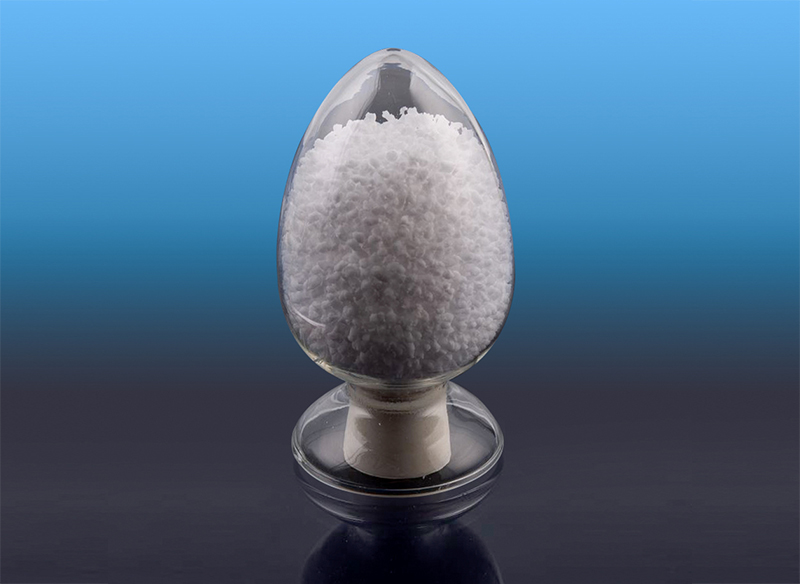
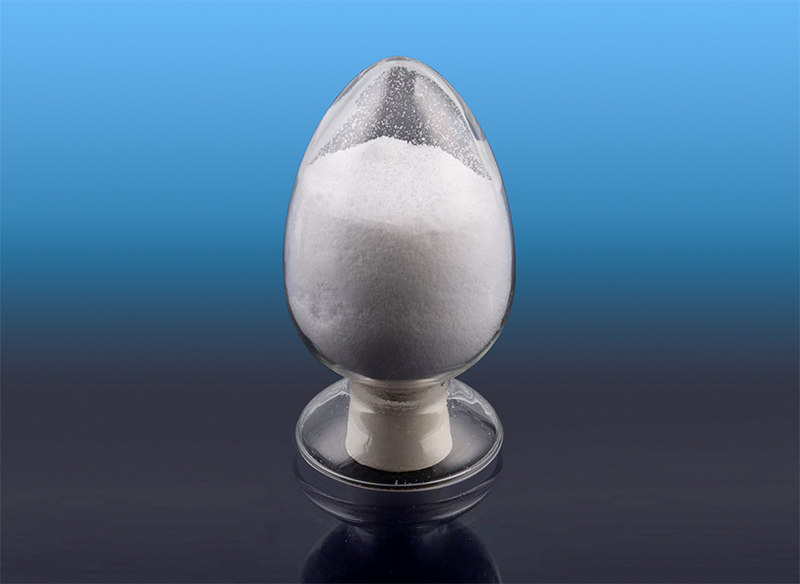
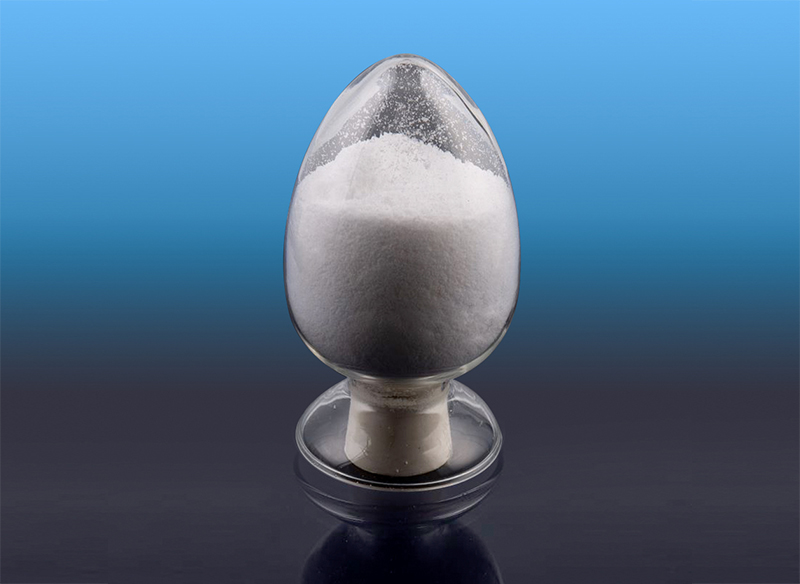
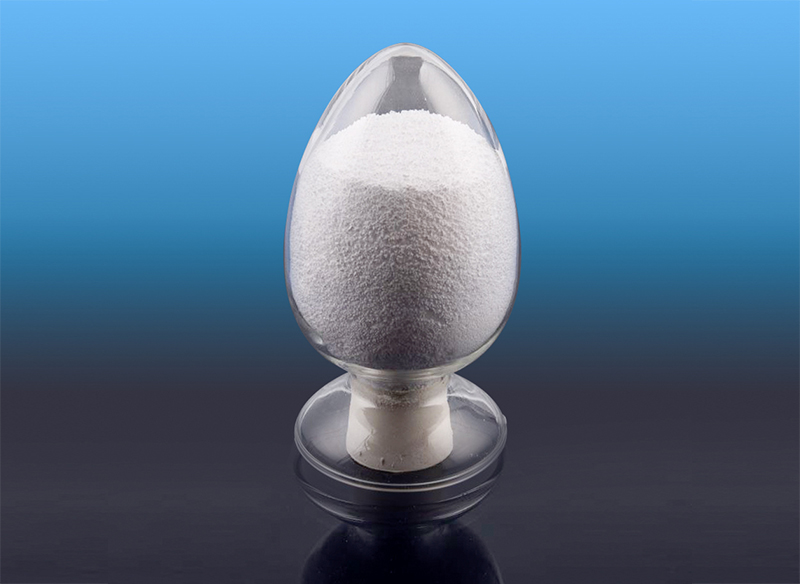
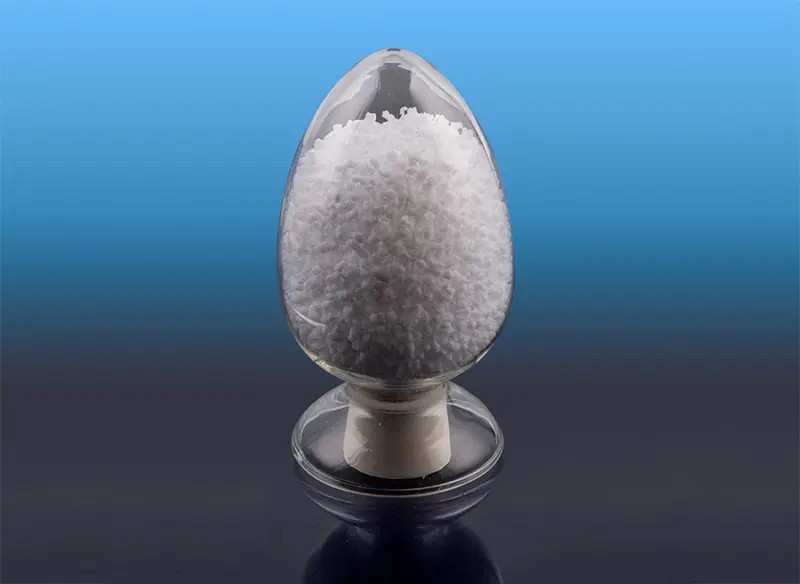
Hydrogenated isoprene polymers are available in a range of grades differentiated primarily by molecular weight, molecular weight distribution, degree of hydrogenation, and physical form (solid bale, pellet, or solution). Selecting the appropriate grade requires a clear understanding of the performance requirements of the target application and how the key material parameters map to those requirements.
- Molecular weight: higher molecular weight grades provide greater thickening efficiency in lubricant applications and better impact modification performance in polymer blends, but they are more difficult to process and may require higher mixing energy or longer dissolution times in solvent-based systems
- Molecular weight distribution (dispersity): narrow dispersity grades — produced by anionic polymerization of the precursor — offer more predictable, consistent VI improvement behavior and better shear stability in lubricant applications; broader dispersity grades may be preferred where cost is a primary driver
- Degree of hydrogenation: fully hydrogenated grades (greater than 97% saturation) should be specified for applications where long-term thermal and oxidative stability is the primary requirement; partially hydrogenated grades are appropriate where residual reactivity for crosslinking or adhesive formulation purposes is needed
- Physical form: solution grades are preferred for lubricant additive manufacturing, where the polymer must be dissolved in base oil; solid grades are used in rubber compounding, polymer blending, and adhesive manufacturing where the polymer is processed in the melt phase
Working closely with the polymer supplier's technical team during the grade selection process is strongly recommended, particularly for new application development. Providing detailed information about service temperature range, chemical exposure conditions, processing equipment capabilities, and required end-use properties allows the supplier to recommend the most appropriate grade and provide application-specific formulation guidance that can significantly shorten development timelines and reduce the risk of field performance issues.