Language
 English
 中文简体
中文简体 Español
 русский
 +86-15268315011


What Are the Key Properties and Applications of Hydrogenated Styrene-Isoprene Block Copolymers (SEP(S))?
Content
- 1 Introduction to Hydrogenated Styrene-Isoprene Block Copolymers (SEP(S))
- 2 Molecular Structure and Hydrogenation Benefits
- 3 Physical and Mechanical Properties
- 4
- 5 Applications Across Industries
- 6 Comparison Table: SEP(S) vs Conventional Styrene-Isoprene Block Copolymers
- 7 Selection Criteria for Optimal Performance
- 8 Future Trends and Innovations
- 9 Conclusion
Introduction to Hydrogenated Styrene-Isoprene Block Copolymers (SEP(S))
Hydrogenated styrene-isoprene block copolymers, commonly referred to as SEP(S), are advanced thermoplastic elastomers widely applied in adhesives, coatings, sealants, and elastomeric products. Through selective hydrogenation, the unsaturated isoprene segments are partially or fully saturated, significantly enhancing thermal and oxidative stability while retaining elastomeric flexibility.
Molecular Structure and Hydrogenation Benefits
SEP(S) copolymers consist of polystyrene end blocks and hydrogenated polyisoprene mid-blocks. The polystyrene domains form hard microphases that provide mechanical strength, while the hydrogenated polyisoprene domains form soft elastomeric regions responsible for flexibility. Hydrogenation converts double bonds in the isoprene mid-block into saturated bonds, yielding several key advantages:
Enhanced Thermal Stability
Hydrogenation improves resistance to high temperatures, enabling applications in hot-melt adhesives and heat-resistant elastomeric components without significant degradation.
Oxidative and UV Resistance
Saturation of the mid-block reduces susceptibility to oxidative degradation and UV-induced chain scission, extending product service life in outdoor or chemically aggressive environments.
Improved Processability
SEP(S) exhibits thermoplastic processability, allowing extrusion, injection molding, and compounding while maintaining elastomeric properties. The combination of processability and performance provides flexibility for manufacturing diverse products.
Physical and Mechanical Properties
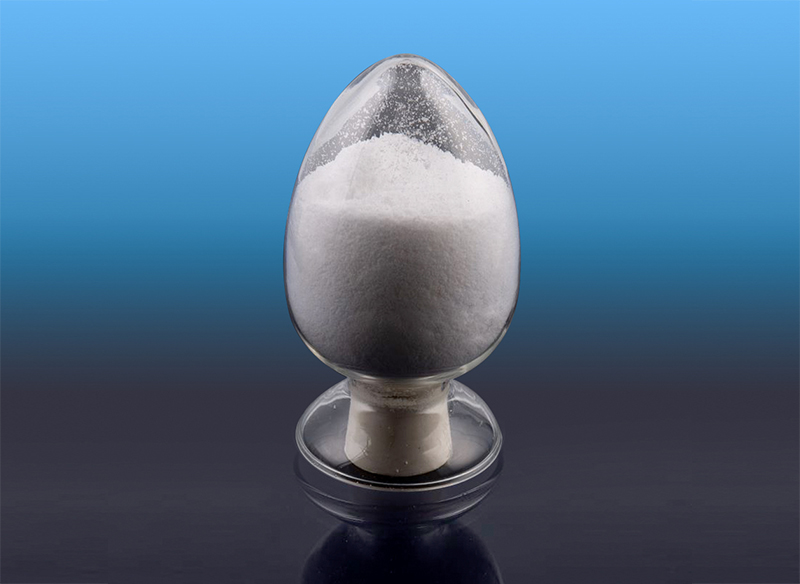
SEP(S) copolymers demonstrate a balance of strength, elasticity, and resilience. Key characteristics include:
- High tensile strength due to styrene hard domains.
- Excellent elongation at break, providing flexibility and recovery.
- Low compression set, making them suitable for sealing applications.
- Good adhesion to diverse substrates such as metals, plastics, and glass.
- Resistance to thermal aging, ozone, and chemical exposure.
Applications Across Industries
The versatile performance of SEP(S) enables applications across multiple industries:
Adhesives and Sealants
In hot-melt adhesives, pressure-sensitive adhesives (PSAs), and sealants, SEP(S) offers high tack, peel strength, and thermal resistance. The elastomeric mid-block ensures flexibility, while the styrene blocks provide cohesive strength.
Elastomeric Components
Used in gaskets, vibration-damping pads, and flexible profiles, SEP(S) combines elasticity with structural stability. Its resistance to heat, ozone, and chemicals ensures prolonged performance in automotive and industrial environments.
Coatings and Overmolding
SEP(S) is suitable for thermoplastic overmolding of rigid plastics, providing enhanced grip, sealing, and impact resistance. Coatings formulated with SEP(S) deliver flexible, crack-resistant films for protective and decorative purposes.
Other Niche Applications
In specialty industries, SEP(S) is applied in electrical insulation, medical devices, and consumer products, where a combination of flexibility, chemical resistance, and mechanical durability is required.
Comparison Table: SEP(S) vs Conventional Styrene-Isoprene Block Copolymers
| Property | Conventional S-I Copolymers | Hydrogenated SEP(S) |
|---|---|---|
| Thermal Stability | Moderate | High |
| Oxidative Resistance | Low | High |
| Processing Flexibility | Moderate | High |
| Mechanical Durability | Moderate | High |
Selection Criteria for Optimal Performance
Choosing the right SEP(S) grade depends on application requirements. Key selection factors include:
- Hardness and tensile strength requirements for the final product.
- Desired thermal and oxidative stability for service conditions.
- Processability for molding, extrusion, or adhesive formulations.
- Compatibility with other polymers, resins, or fillers in composite systems.
- Regulatory or environmental standards for medical, food, or consumer applications.
Future Trends and Innovations
SEP(S) copolymers continue to evolve with advances in polymer chemistry and manufacturing technologies. Ongoing research focuses on:
- Development of high-performance adhesives with lower VOC emissions.
- Bio-based and sustainable monomers to reduce environmental impact.
- Enhanced microphase engineering for tailored mechanical and thermal properties.
- Integration with nanomaterials to improve conductivity, barrier properties, or durability.
Conclusion
Hydrogenated styrene-isoprene block copolymers (SEP(S)) represent a versatile and high-performance class of thermoplastic elastomers. Through hydrogenation, they achieve superior thermal and oxidative stability while retaining flexibility, adhesion, and mechanical strength. Their applications span adhesives, elastomers, coatings, and specialized products, making them a key material in modern industrial and consumer technologies. Proper selection based on performance requirements ensures optimal product performance and longevity.