Language
 English
 中文简体
 Español
 русский

 +86-15268315011


Thermoplastic Road Marking Materials: How Polymer Modifiers Improve Durability
Road markings do a quiet job. They guide drivers through a curve, show the edge of a lane in rain, and tell a driver where to stop. When a marking stays crisp at dusk or after a long winter, it is not only a paint problem. It is a formulation and application problem. Thermoplastic road marking material is a hot-melt system: a dry blend of binder, polymer modifier, pigment, filler, and glass beads that becomes a viscous liquid in a heated kettle and returns to a tough film within seconds of contact with the road. That quick change is useful, but it leaves little room for a poorly balanced formula.
Content
- 1 What Thermoplastic Road Marking Really Is
- 2 Why the Polymer Modifier Is More Than a Minor Ingredient
- 3 Formulation Decisions That Show Up on the Road
- 4 SBS or SEBS: Matching the Modifier to the Service Environment
- 5 Quality Checks Before the Material Reaches the Kettle
- 6 A Practical Way to Choose a Thermoplastic Road Marking Modifier
What Thermoplastic Road Marking Really Is
Unlike a conventional paint, thermoplastic road marking does not rely on solvent evaporation. The material is heated within the supplier’s recommended range and applied by screed, spray, or extrusion. Thickness, surface texture, and cooling rate all influence the final result. A well-made marking bonds to asphalt or concrete, stays flexible enough to move with the pavement, and holds glass beads where they can reflect headlights.
A simple way to read the formulation
| Component | What it does | Formulation note |
|---|---|---|
| Binder resin and plasticizer | Wets the aggregate, carries pigment, and bonds to the pavement | Balance stiffness and flexibility; too much plasticizer can bleed |
| Polymer modifier | Adds toughness, elasticity, and cohesion to the binder | Choose hydrogenated grades where heat, UV, and aging resistance matter |
| Glass beads | Reflect light back to the driver | Premix beads protect inside; drop-on beads restore surface reflectivity |
| Pigment | Provides white or yellow color | Titanium dioxide is common in white; yellow systems need lightfast pigments |
| Fillers and sand | Build film thickness and control cost | Grading affects surface texture and bead retention |
The polymer modifier is often the part that decides whether the marking merely looks good on day one or still performs after a few winters. It also affects how the material behaves in the kettle. Flow, viscosity, and heat stability matter as much as the cured film.
Why the Polymer Modifier Is More Than a Minor Ingredient
Think of the binder as the glue and the polymer modifier as the elastic skeleton. In a hot-melt marking, styrene-butadiene block copolymer, often shortened to SBS, forms a physical network in the binder. That network improves cohesion, low-temperature flexibility, and adhesion to the pavement. It also helps the marking resist impact from traffic and resist cracking when the road surface contracts.
Too much of a good thing has a cost. An overdosed modifier can raise viscosity, reduce flow during application, or make the surface tacky in hot weather. The useful answer is not simply “more polymer.” It is the right polymer at the right dosage, matched to the resin, plasticizer, filler, and local climate.
Our SBS product family is built for this kind of balancing act, giving formulators a practical starting point for hot-melt systems.
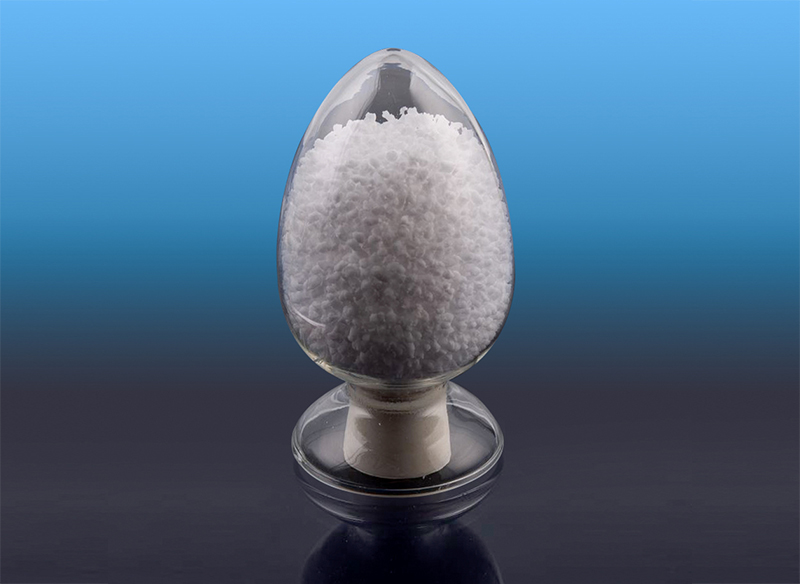 Styrene-Butadiene Block Copolymer (SBS) SeriesExplore Zhongli’s SBS series for hot-melt formulation, offering thermoplastic elastomer options used in asphalt modification, adhesives, and polymer modification.View Product →
For a closer look at how these materials behave in a marking binder, our technical note on polymer modifiers in thermoplastic road markings walks through the mechanisms.
Formulation Decisions That Show Up on the Road
Binder, modifier, and plasticizer balance
Hydrocarbon resins provide tack and adhesion. Plasticizers soften the film and improve flow. The polymer modifier adds elasticity. If the plasticizer level is too high, the marking can bleed or pick up dirt. If it is too low, the film may be brittle. The polymer helps widen the processing window, but it cannot rescue a formula that is fundamentally out of balance.
Glass beads and retroreflectivity
Glass beads are not just an additive. They are the optical engine of the marking. Premixed beads sit within the film, while drop-on beads sit at the surface. Both need good wet-out and bead retention. A binder with poor cohesion can shed beads under traffic, and once the beads are gone, retroreflectivity drops quickly. Polymer selection influences bead grip, but application temperature and bead coverage matter just as much.
Application window and surface preparation
Thermoplastic road marking is unforgiving when the surface is damp, dusty, or too cold. The material may bond initially and fail later. Contractors should follow the manufacturer’s temperature and humidity window, dry the pavement, and use a primer where the substrate calls for it. In the kettle, overheating can degrade the polymer and change viscosity. Underheating can leave granules unmelted. Both show up on the road.
- Cracking in cold weather often points to a stiff formula or a low polymer level.
- Bleeding or tracking in heat may signal an imbalance in plasticizer or resin.
- Bead loss can come from poor binder cohesion, low application temperature, or inadequate bead coverage.
- Poor adhesion usually traces back to surface contamination, moisture, or a missing primer.
- Color shift in white markings can indicate binder or modifier aging, where a hydrogenated polymer may help.
SBS or SEBS: Matching the Modifier to the Service Environment
Not every road needs the same modifier. SBS is a workhorse: cost-effective, flexible, and well understood in asphalt and marking systems. SEBS is hydrogenated SBS. The saturation removes many of the double bonds that are vulnerable to oxidation and UV light, so SEBS tends to offer better heat aging, weatherability, and color stability. For white markings, long service life, or hot climates, that difference can justify the higher material cost.
SEBS also behaves differently in the melt. It can improve the balance between toughness and flow, but the formulator still needs to check compatibility with the resin and plasticizer. In premium systems, a hydrogenated grade can help the marking keep its color and cohesion through repeated summer heat cycles.
Our hydrogenated styrene-butadiene block copolymer range is one option for formulators working on these longer-life systems.
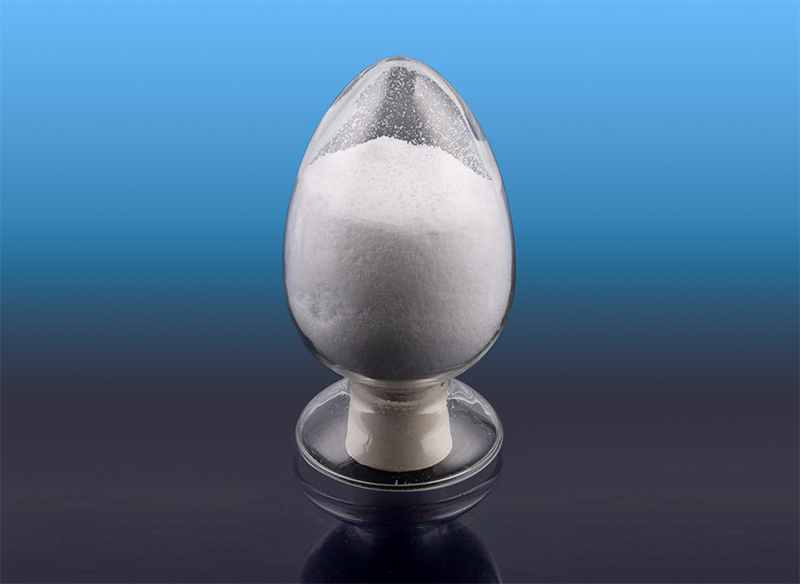 Hydrogenated Styrene-Butadiene Block Copolymer (SEBS) RangeReview Zhongli’s SEBS range for longer-life systems, with hydrogenated SBS grades noted for low-temperature resistance, aging resistance, and compatibility in modification applications.View Product →
The same logic explains why polymer selection matters in asphalt modification, where SBS has a long track record. Road marking and asphalt modification are different applications, but both depend on a polymer network that can handle heat, traffic, and time.
Quality Checks Before the Material Reaches the Kettle
Quality is easier to protect before the kettle than after the road is closed. A practical receiving and release program usually includes several simple checks:
- Confirm material identity, lot traceability, and packaging condition.
- Check softening point and melt viscosity against the approved formula.
- Run a heat-stability and compatibility test with the intended binder system.
- Apply a trial patch on representative pavement before full production.
- Review bead retention, color, and retroreflectivity after the patch has cured.
- Protect stored material from moisture and contamination.
At our plant, material passes through eight inspection steps from raw material intake to dispatch. That kind of routine is not glamorous, but it catches the small shifts in softening point, viscosity, or moisture that can turn into a failed marking.
A Practical Way to Choose a Thermoplastic Road Marking Modifier
Start with the service environment, not the data sheet. Is the road exposed to harsh sun, freeze-thaw cycles, heavy truck traffic, or frequent rain? Will the marking be white or yellow? What application method will the contractor use? These questions narrow the polymer choice faster than a long list of grades.
- What service life does the road owner expect?
- Which climate stresses dominate: low-temperature cracking, heat aging, or UV exposure?
- How will the material be applied, and what viscosity window does that method need?
- What glass bead and pigment system will be used?
- Can the supplier provide trial batches and practical technical support?
A trial patch is still the most honest test. Apply the candidate formulation on a representative section, observe it through a full temperature cycle if possible, and check adhesion, bead retention, and color. The best thermoplastic road marking modifier is not the most expensive one. It is the one that keeps the whole formulation in balance. If you are weighing SBS against SEBS for a specific project, our team is happy to talk through the trade-offs and help you plan a trial that reflects real road conditions.