Language
 English
 中文简体
中文简体 Español
 русский
 +86-15268315011


Styrenic Thermoplastic Elastomer: Properties, Grades and Selection Guide
Pick up a soft-grip tool handle, peel the backing off a pressure-sensitive label, or press a thumb into the sole of a running shoe, and there is a fair chance you are touching a styrenic thermoplastic elastomer. These materials have quietly become the default answer wherever a part needs to feel rubbery but still be molded, extruded, or recycled like a plastic.
If you are specifying one for the first time, or trying to work out why an existing formulation keeps drifting off spec, the naming can be confusing. SBS, SEBS, SEPS, TPE-S, TPS: the abbreviations overlap, and different suppliers describe the same chemistry in different words. The short version is simple enough. A styrenic thermoplastic elastomer is a block copolymer built from hard polystyrene segments and a soft rubbery midblock. What follows explains what that structure means in practice, how the main grades differ, and how to narrow a long list down to two or three candidates worth testing.
Content
- 1 What Defines a Styrenic Thermoplastic Elastomer
- 2 The Three Main Styrenic Block Copolymer Families
- 3 Properties You Can Engineer Around
- 4 How These Materials Are Processed
- 5 Where Styrenic Thermoplastic Elastomers Are Used
- 6 A Practical Selection Checklist
- 7 Behind the Material: Manufacturing and Consistency
What Defines a Styrenic Thermoplastic Elastomer
The word to focus on is "block." A styrenic TPE molecule is not a random mixture of monomers; it is a chain assembled in sequence, typically polystyrene, then a rubbery middle segment, then polystyrene again. At room temperature the polystyrene end blocks are below their glass transition temperature, so they cluster together into rigid domains. Those domains anchor the rubbery midblocks and act as physical crosslinks, which is what gives the material its elastic recovery.
Heat the polymer above the softening point of the polystyrene domains and those crosslinks temporarily disappear. The material flows, fills a mold, and then re-forms its domain structure on cooling. This is the essential difference between a styrenic TPE and a conventional thermoset rubber: no vulcanization step, no long cure cycle, and production scrap that can usually be reground and reused. It is also why these polymers are sometimes called thermoplastic rubbers, a term that describes behavior rather than chemistry.
The Three Main Styrenic Block Copolymer Families
Nearly every styrenic TPE you will encounter commercially belongs to one of three families, distinguished by what sits in the middle of the chain.
SBS: Styrene-Butadiene-Styrene
SBS is the original styrenic block copolymer and still the most cost-effective. It offers high tensile strength, good elastic recovery, and excellent compatibility with bitumen and with many tackifying resins, which is why it dominates asphalt modification and hot-melt adhesive formulations. Its limitation is the unsaturated butadiene midblock, which is vulnerable to ultraviolet light, oxygen, and long-term heat exposure. For indoor applications, footwear compounds, and short-life adhesives it remains an outstanding value.
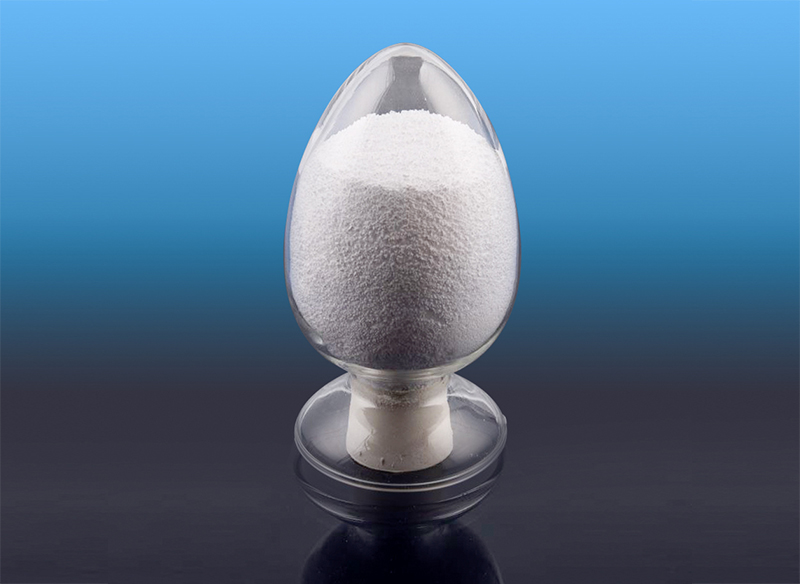
 Zhongli SBS Series Styrene-Butadiene Block CopolymerCost-effective styrenic thermoplastic elastomer for asphalt modification, adhesives, footwear, and polymer modification, with easy processing and low-temperature performance.View Product →
SEBS: Hydrogenated Styrene-Butadiene-Styrene
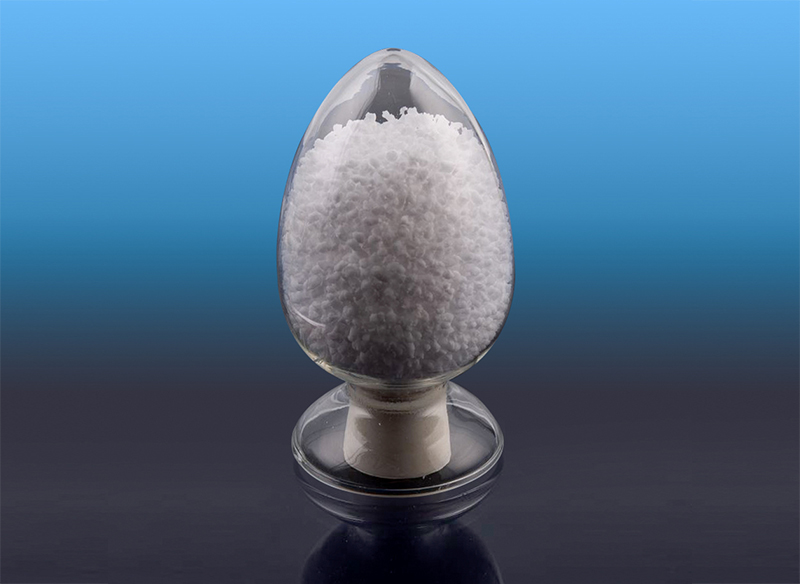
Hydrogenating the butadiene midblock converts it into a saturated ethylene-butylene segment, and that single change reshapes the property profile. SEBS resists UV degradation and thermal aging far better, holds color and clarity, and absorbs large quantities of paraffinic oil without turning greasy. It also blends readily with polypropylene, which makes it a workhorse for soft-touch overmolding, flexible tubing, cable compounds, and polymer modification. If your part will see sunlight, sterilization, or a long service life, SEBS is usually the starting point.
 Zhongli Hydrogenated SEBS Series Styrene-Butadiene Block CopolymerHydrogenated SBS-derived thermoplastic elastomer offering aging, weather, and low-temperature resistance for TPE, footwear, films, medical products, and plastic modification.View Product →
SEPS: Hydrogenated Styrene-Isoprene-Styrene
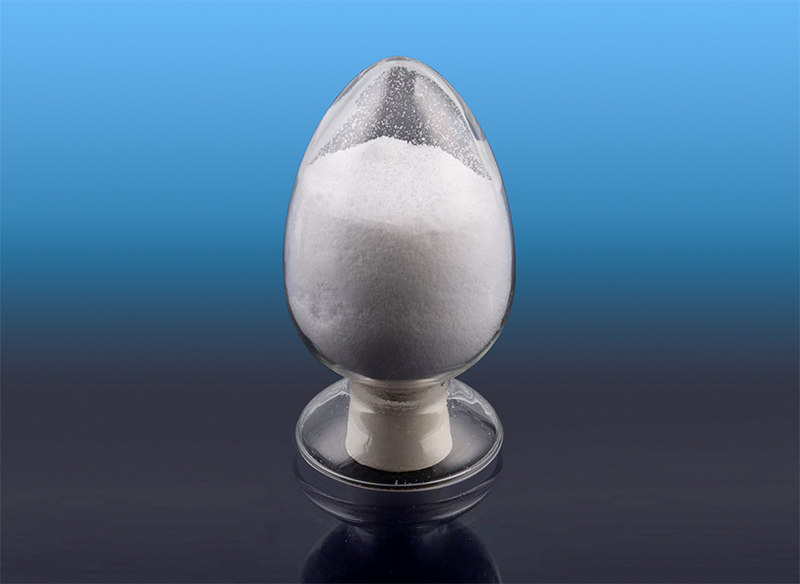
When the midblock is isoprene rather than butadiene, hydrogenation produces an ethylene-propylene segment. SEPS brings two things the other families do not match: exceptional solubility in hydrocarbon oil, and a very high degree of transparency in well-formulated compounds. That combination makes it the material of choice for oil gels, viscosity index improvers, cosmetic and personal care ingredients, and clear elastomers where haze is unacceptable. It also tolerates higher service temperatures than SBS.
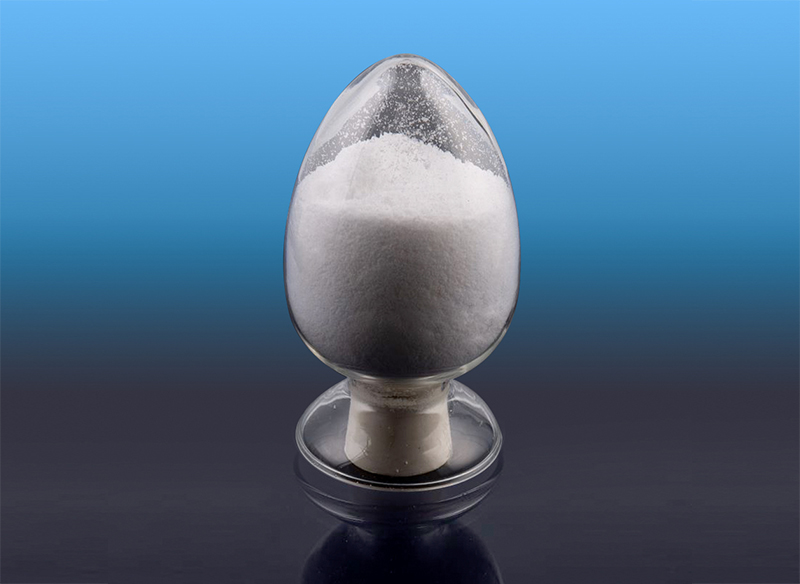 Zhongli SEP(S) Hydrogenated Styrene-Isoprene Block CopolymerOil-soluble, transparent block copolymer used as rheology modifier for cable filling gels, cosmetics, lubricating oil viscosity index improvers, and jelly wax.View Product →
| Family | Midblock | Stands out for | Typical uses |
|---|---|---|---|
| SBS | Butadiene | Strength and cost efficiency | Modified bitumen, adhesives, footwear |
| SEBS | Ethylene-butylene | Weathering, oil uptake, PP compatibility | Soft-touch parts, tubing, cable compounds |
| SEPS | Ethylene-propylene | Oil solubility and clarity | Oil gels, cosmetics, transparent elastomers |
Properties You Can Engineer Around
One of the practical attractions of styrenic TPEs is how much of the property profile can be tuned during compounding rather than fixed at the reactor. A few levers matter most:
- Hardness. Formulations span roughly 5 to 95 Shore A. Adding white oil softens the compound; adding polypropylene or polystyrene raises stiffness.
- Elasticity and set. Block architecture and styrene content govern how well the material returns to shape after repeated deformation.
- Thermal stability. Hydrogenated midblocks resist oxidation and yellowing at elevated temperatures, which matters for automotive interiors and food-contact parts.
- Clarity. Transparent grades depend on matching refractive indices between the polymer, oil, and any additives used.
- Oil and solvent response. SEPS dissolves in hydrocarbon oil; SEBS swells. Choosing the wrong one is a common source of field failures.
- Adhesion. Tackifying resins and reactive extrusion can be used to build tack or to bond the elastomer to polar substrates.
How These Materials Are Processed
Styrenic TPEs run on standard thermoplastic equipment: injection molding, extrusion, blow molding, and two-shot overmolding onto rigid substrates such as polypropylene or ABS. No vulcanization press is required, cycle times are short, and molders can dial in melt temperature and shear to control domain orientation and surface finish.
Compounding is where most of the engineering happens. Oil extension softens the base polymer, polypropylene blending creates a TPE with improved heat resistance, and reactive extrusion introduces polar or functional groups for better adhesion. For teams working on plastic modification, these compounded grades are often the difference between a brittle part and one that survives a drop test.
Where Styrenic Thermoplastic Elastomers Are Used
The application list is unusually broad for a single polymer family, which is exactly why grade selection deserves care:
- Adhesives and sealants, including hot-melt and pressure-sensitive formulations
- Asphalt and bitumen modification, plus thermoplastic road-marking compounds
- Polymer modification, especially impact toughening of polypropylene
- Footwear, foam midsoles, and soft-grip tooling
- Medical tubing, food-contact parts, and pharmaceutical closures
- Optical fiber and cable filling compounds
- Cosmetic and personal care ingredients, including oil gels and thickeners
- Consumer soft-touch goods, cushioning, and novelty items
Because the same base chemistry serves so many segments, it helps to see how the grades line up before you commit to a trial. A useful reference is this overview comparing SBS, SEBS and SIS side by side, which maps each structure to the applications where it performs best.
A Practical Selection Checklist
When a customer sends us a part drawing and a service condition, we usually work through the same sequence of questions. It is a good habit whether you are buying a tonne or a truckload.
- Define the hardness and modulus the part actually needs, rather than the hardness of the material you last used.
- Establish the real service temperature range, including short-term peaks during processing or sterilization.
- Decide whether the part will be exposed to sunlight, ozone, or hot air. If yes, choose a hydrogenated grade.
- Confirm the chemical environment, especially oil and solvent contact, since solubility differs sharply between SEBS and SEPS.
- Check optical requirements. If clarity matters, budget time for formulation trials rather than assuming any transparent grade will work.
- Match the processing route, because injection molding, extrusion, and overmolding each prefer a different melt flow.
- Verify regulatory demands early, including food-contact, medical, and toy-related requirements.
Behind the Material: Manufacturing and Consistency
Property data sheets tell you what a polymer can do. Consistent production tells you what it will do next month. At Zhejiang Zhongli Synthetic Material Technology, our production lines run on Yokogawa DCS control systems with internationally sourced pumps and instrumentation, and every batch passes through eight inspection steps between raw material intake and finished goods release. Our postdoctoral workstation supports the molecular design work behind the SBS, SEBS, SEP(S), and hydrogenated isoprene polymer grades we produce, and it is also where customer-specific modifications usually begin.
Choosing a styrenic thermoplastic elastomer rarely comes down to a single number. It comes down to matching a block architecture to the temperature, chemistry, and processing route your product will actually experience. Start with the midblock, confirm the hydrogenation level, then tune hardness and clarity through compounding. If you send us your application details, our technical team is happy to walk through the options with you and suggest a grade to test.