Language
 English
 中文简体
中文简体 Español
 русский
 +86-15268315011


SEPS, SBS, SIS: How Hydrogenated Styrene Ethylene Propylene Styrene Polymers Differ
If you are evaluating elastomers and you typed "SEPS styrene ethylene propylene styrene hydrogenated SBS or SIS" into a search engine, you are probably trying to draw a line between several block copolymers that look similar on paper but behave differently in production. The short version is this: SBS and SIS are unsaturated styrenic block copolymers, while SEBS and SEPS are their hydrogenated counterparts. Hydrogenation removes most of the double bonds in the rubber midblock, which changes oxidation resistance, color stability, compatibility, and application fit.
Content
What SEPS, SBS, SIS, and SEBS Actually Mean
SBS is styrene-butadiene-styrene, a thermoplastic elastomer with polystyrene end blocks and a polybutadiene rubber midblock. When that midblock is hydrogenated, the remaining butadiene fraction becomes ethylene-butylene segments, and the polymer is called SEBS.
SIS is styrene-isoprene-styrene. Its midblock is polyisoprene, and after hydrogenation it becomes an ethylene/propylene midblock, so the polymer is called SEPS. In commercial specifications, SEPS may also be described as SEP(S) when it contains a meaningful fraction of diblock structure alongside the triblock architecture.
Knowing the parent structure matters because hydrogenation is not a surface treatment. It changes the molecular architecture and therefore influences how the polymer responds to heat, light, oils, tackifiers, and polyolefin modification.
Why Hydrogenation Changes Performance
In an unsaturated copolymer, double bonds provide reactive sites for oxidation and UV degradation. This can make SBS and SIS turn yellow, lose physical properties, or crosslink during prolonged service. Hydrogenation converts those double bonds into more stable saturated bonds.
In practical terms, hydrogenated SBS, which is SEBS, and hydrogenated SIS, which is SEPS, offer better thermal stability, lower color and odor, and less drift in mechanical properties over time. Non-hydrogenated SIS retains higher raw tack, which is why it remains a workhorse in pressure-sensitive adhesives where the adhesive is protected from light and oxygen. SBS, in turn, remains cost-effective for asphalt modification and molded shoe components where UV stability is not the main requirement.
Hydrogenated types also reduce gel formation and degradation during high-temperature melt processing. In hot-melt adhesives, cable filling gels, or transparent soft materials processed at high temperature, this is often the deciding factor.
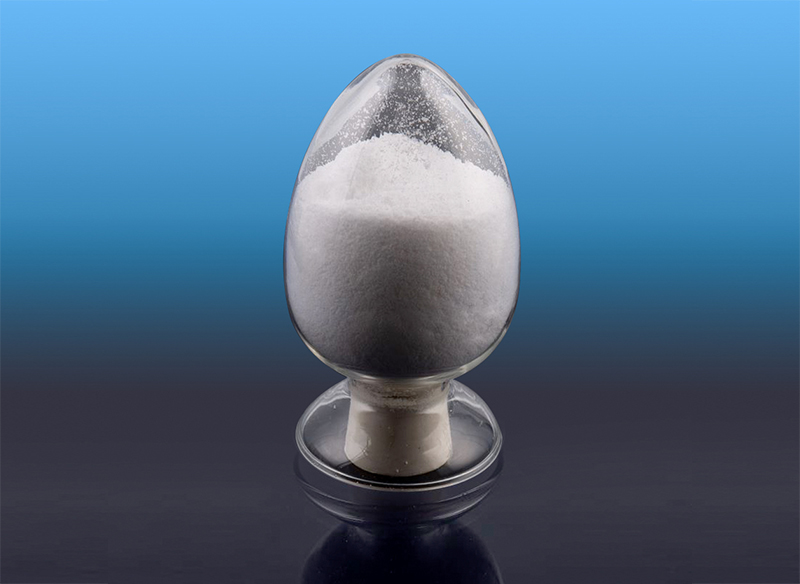
Side-by-Side Material Comparison
Use the table below as a first filter, not as a final specification. Block architecture, styrene content, molecular weight, hydrogenation level, and additives all shift performance within each grade.
| Polymer | Elastomeric Midblock | Hydrogenated? | Typical Strengths | Typical Limitations | Common Uses |
|---|---|---|---|---|---|
| SBS | Butadiene | No | High tensile strength, easy melt processing, lower cost base | UV and oxidation sensitivity, yellowing risk | Asphalt modification, shoe soles, plastic impact modification |
| SIS | Isoprene | No | High raw tack, good adhesion with tackifying resins | Lower thermal and UV stability | Pressure-sensitive adhesives, tapes, labels |
| SEBS | Ethylene-butylene | Yes | Weather resistance, thermal stability, broad compounding latitude | Lower raw tack, higher cost than SBS | Automotive TPE, medical tubing, plastic modification, sealants |
| SEPS | Ethylene-propylene | Yes | Low color and odor, good oil and polyolefin compatibility, thermal stability | Lower strength than some SEBS grades, higher cost than SIS | Cosmetic gels, cable filling compounds, lubricant viscosity modifiers, transparent soft materials |
How to Choose Between SEBS and SEPS
Since many buyers compare only the hydrogenated materials, the practical question is often SEBS or SEPS. If the product requires high mechanical strength, such as an overmolded automotive grip or a toughened polypropylene compound, start with our hydrogenated styrene-butadiene block copolymer SEBS product line. SEBS offers a dependable combination of elasticity, hardness control, and processability in thermoplastic elastomer compounds.
If clarity, low odor, and compatibility with oils or aliphatic solvents are the main requirements, consider our hydrogenated styrene-isoprene block copolymer SEP(S) product line. SEPS is frequently selected for soft translucent gels, cosmetic additives, cable filling materials, and viscosity-index modifiers because the saturated isoprene-derived midblock interacts well with mineral oils and polyolefins.
There is no universal best material. The specification should begin with the application's service temperature, transparency target, hardness range, adhesion requirement, and compatibility with adjacent polymers. For pressure-sensitive tape, an unsaturated SIS-based adhesive may look better in the initial peel test, but a hydrogenated SEBS or SEPS system may be necessary when aging or color retention is specified. A practical guide to SBS vs SEBS vs SIS differences can help with this first pass.
Application Fit: Where Each Family Wins
Adhesives and sealants are a useful starting point. Non-hydrogenated SIS gives high initial tack in tapes and labels, while hydrogenated SEBS and SEPS are preferred for clear sealants, hot-melt adhesives, and products that must not yellow over time. If you process without solvent and need a low-odor result, hydrogenated grades reduce the risk of degradation and discoloration. Our adhesives and sealing application page shows how these materials are positioned in real formulations.
For plastic modification, SEBS is a common impact modifier for polypropylene, while SBS is more often used in general-purpose polystyrene-based blends. SEPS is sometimes selected when low gel levels and high clarity are needed, particularly for thin films or transparent packaging. For asphalt modification, SBS remains a proven modifier because it combines high tensile strength with easy dispersion in bitumen. In compounding and asphalt modification, if you need a non-hydrogenated base polymer, our styrene-butadiene block copolymer product range covers SBS grades built for that role.
Across all these areas, final compound performance depends on more than the base polymer. Additives, oil extension, mixing conditions, and mold design all matter. Base polymer selection is the first gate; formulation discipline is what determines lot-to-lot consistency.
What to Confirm Before You Specify the Wrong Grade
An acronym alone should never be the full specification. For SBS, SIS, SEBS, or SEPS, confirm the following before you commit to a grade:
- Styrene content and block architecture, including diblock fraction.
- Molecular weight and melt flow rate.
- Hydrogenation level and residual unsaturation.
- Hardness and compression set.
- Oil or tackifier compatibility.
- Gel content and color stability for clear or low-odor products.
Supplier controls matter as well. Small shifts in molecular weight distribution or residual unsaturation can change melt behavior and aging. At Zhongli, for example, production uses Yokogawa DCS control, and every batch goes through eight inspection stages from raw material input to final shipment. That kind of traceability is useful when you are qualifying a new source or scaling up a formulation.
Request a technical data sheet, compare the base polymer before adding oils or fillers, and run a processing trial with the exact equipment you will use at scale. This is especially important for hot-melt adhesives and clear soft compounds, where color and gel specifications matter as much as tensile strength.