Language
 English
 中文简体
 Español
 русский

 +86-15268315011


UV Stabilized Thermoplastic Elastomer for Automotive Market: A Practical Guide
A parking lot in July is one of the toughest durability benches in the automotive industry. Surface temperatures on a dark instrument panel climb far above ambient, and ultraviolet radiation keeps working on every polymer chain it can reach. Parts that looked flawless at start of production can turn chalky, tacky, or visibly lighter within a few summers. That is why a UV stabilized thermoplastic elastomer has moved from a nice-to-have line on a datasheet to a fixed requirement in most automotive material specifications.
Thermoplastic elastomers earn their place in vehicles because they combine rubber-like feel with thermoplastic processing: no vulcanization step, short cycle times, and scrap that can often be reground. But not every TPE ages the same way outdoors. The difference usually comes down to two things, the saturation of the polymer backbone and the quality of the stabilization package built around it. Understanding both makes grade selection far more predictable.
Content
- 1 Why UV Stability Is Now a Purchasing Criterion
- 2 What UV Stabilization Actually Involves
- 3 Backbone First: Why Hydrogenated Midblocks Age More Slowly
- 4 Comparing the Main Automotive-Grade Options
- 5 Compounding Details That Decide Whether a Part Survives Ten Summers
- 6 Under-Hood and Sealing Applications: A Different Stress Profile
- 7 How the Industry Tests Weathering
- 8 Processing Habits That Protect the Stabilizer Package
- 9 Choosing a Partner for the Long Term
- 10 Practical Takeaways
Why UV Stability Is Now a Purchasing Criterion
Weathering used to be someone else's problem. Exterior trim was metal or heavily filled plastic, interiors were covered in PVC skin, and nobody expected a seal to stay pretty for fifteen years. Today, TPE appears in places where sunlight, heat, and mechanical stress arrive together:
- Exterior sealing profiles, glass run channels, belt-line trim, and water deflectors
- Wheel-arch extensions, roof-rack pads, mud flaps, and charge-port gaskets on electric vehicles
- Instrument panel skins, door roll covers, console lids, and soft-touch grips inside the cabin
- Airbag covers with molded tear seams, where aging changes tear behavior
Three trends pushed the requirement upward. Wall sections became thinner to save weight, which leaves less material to absorb a given UV dose. Colors moved toward deep blacks and saturated tones that hide dirt but also run hotter. And warranty expectations lengthened, so a part is now judged on how it looks in year ten, not how it looks in month three.
What UV Stabilization Actually Involves
A weathering-resistant TPE is not the product of one miracle additive. It is a system with three lines of defense working at once.
- Backbone chemistry. A saturated midblock has far fewer reactive sites than an unsaturated one, so the chain resists oxidation before any additive is considered.
- Stabilizer package. Primary and secondary antioxidants protect the melt and the service life, hindered amine light stabilizers interrupt the photo-oxidation cycle, and UV absorbers screen high-energy radiation before it reaches sensitive bonds.
- Surface and pigment. Carbon black and well-chosen pigment systems shield the polymer bulk, while a matte or coated surface changes how degradation becomes visible.
Because TPE is a compounded material rather than a single resin, the same base polymer can behave completely differently in two formulations. That is the practical reason to discuss end-use exposure with the material supplier rather than comparing datasheets alone.
Backbone First: Why Hydrogenated Midblocks Age More Slowly
Styrene-butadiene block copolymers carry a polybutadiene midblock with residual double bonds. Those allylic positions are exactly where oxygen and UV energy prefer to attack, producing a mix of crosslinking and chain scission. The visible result is usually chalking, color drift, and surface cracking that appears the moment the part is flexed.
Hydrogenation removes most of those double bonds and converts the midblock into a saturated rubber segment. Hydrogenated styrene-butadiene block copolymer (SEBS) and hydrogenated styrene-isoprene copolymer (SEPS) keep the thermoplastic two-phase structure while giving formulators a much quieter polymer to work with. Hydrogenated isoprene polymer (EP) goes further in a different direction, since it carries no polystyrene blocks and behaves as a saturated modifier rather than a standalone thermoplastic elastomer. The chemistry behind these differences, and how it translates into oxidation resistance, is covered in more depth in our note on how block copolymers respond to UV exposure and environmental degradation.
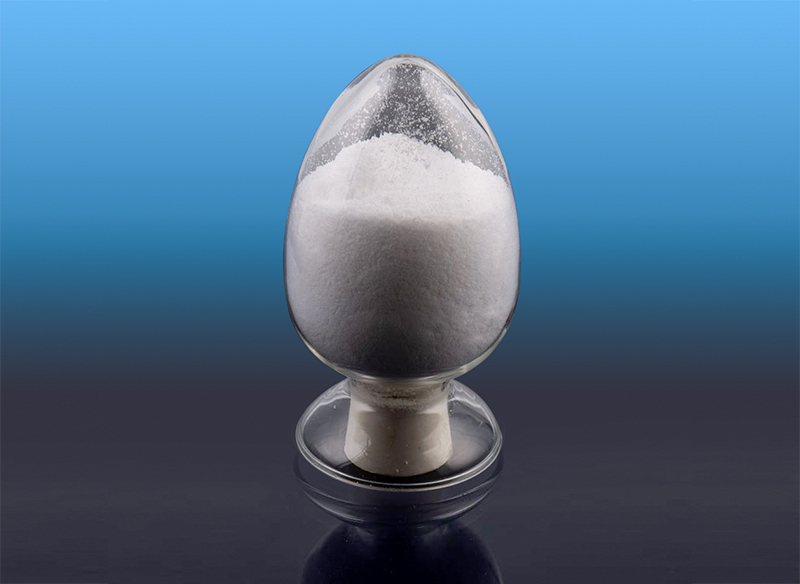
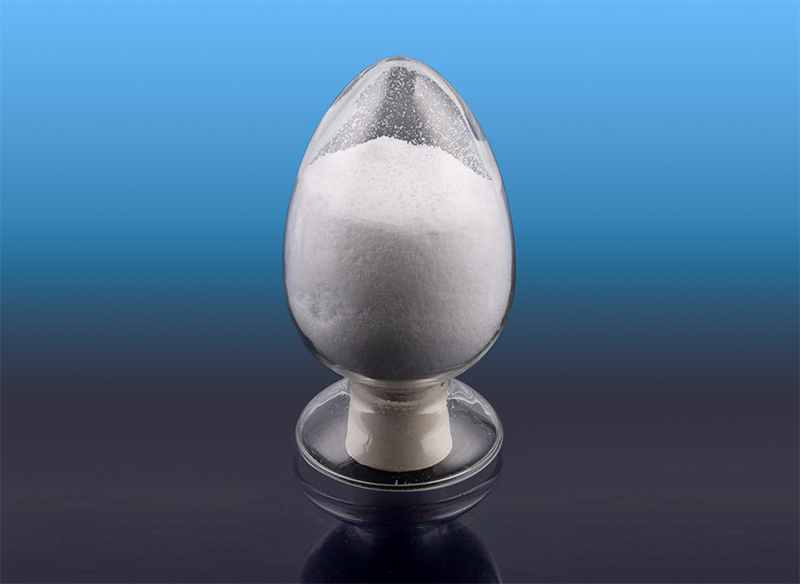 Hydrogenated Styrene-Butadiene Block Copolymer (SEBS) H-SeriesView the ZHOPOLY H-Series SEBS grades for hydrogenated SBS thermoplastic elastomers used in plastic modification, footwear, TPE, films, and medical products.View Product →
Comparing the Main Automotive-Grade Options
The table below is a starting point for conversation, not a specification. Hardness, oil content, and stabilizer loading shift the boundaries considerably.
| Polymer family | Midblock | Weathering behavior | Typical hardness (Shore A) | Common automotive fit |
|---|---|---|---|---|
| SBS | Unsaturated butadiene | Limited outdoors without heavy stabilization | 40 to 95 | Protected interior parts, adhesives, unexposed mats |
| SEBS | Saturated ethylene-butylene | Good to excellent with HALS and UV absorber | 20 to 95 | Exterior seals, interior skins, overmolding |
| SEPS | Saturated ethylene-propylene | Good, with stronger heat aging than SEBS in some blends | 20 to 90 | Soft-touch parts, seals, oil-extended compounds |
| EP | Fully saturated, no styrene blocks | Excellent heat and UV stability as a modifier | Supplied as base material | Under-hood sealing, hoses, impact modification |
Unsaturated grades are still perfectly sensible where sunlight never arrives. A wheel-arch liner or a cargo-area mat that sits under a trim panel does not need the most expensive stabilizer system in the catalogue. In those applications, an SBS-based compound can be an economical choice provided the specification does not also demand long heat aging.
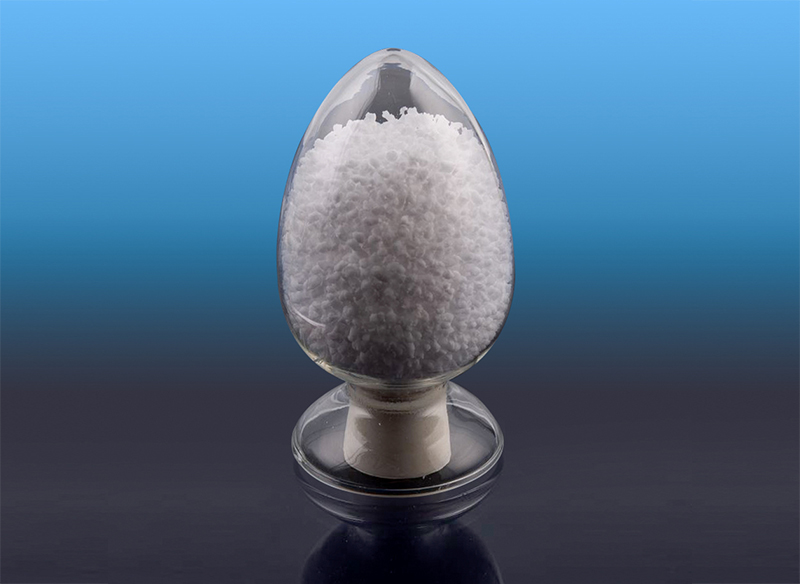 Zhongli SBS Series Styrene-Butadiene Block CopolymerReview Zhongli SBS grades for unsaturated styrenic elastomers in asphalt and polymer modification, adhesives, footwear, and sealing where UV and heat aging demands are lower.View Product →
Many automotive TPEs are not molded as neat elastomer at all. They are blends in which a hydrogenated block copolymer is dispersed into polypropylene or a TPO matrix, which is why compounders frequently work with us on plastic modification and impact toughening rather than on elastomer parts alone.
Compounding Details That Decide Whether a Part Survives Ten Summers
Stabilizer selection is not a numbers game
Adding more hindered amine light stabilizer is not automatically better. HALS grades differ in basicity, and highly basic types can interact badly with acidic residues, halogenated flame retardants, or certain pigment treatments. UV absorbers of the benzotriazole family work well in thin sections and light colors, while carbon-black-filled black parts often rely more heavily on HALS plus a primary antioxidant. Thio-synergists improve long-term heat aging but can work against light stability, so the balance has to be tuned for the actual exposure profile.
Color changes everything
A light beige pillar trim and a black belt-line seal face the same sun but degrade differently. Pale parts show yellowing almost immediately, so screening absorbers matter more, while thick black parts depend on surface stability and gloss retention. Metallic and effect pigments occasionally introduce catalytic residues that accelerate oxidation, which is one reason pigment grades should be disclosed to the compounder.
Migration, fogging, and cabin air
Automotive interior specifications increasingly limit volatile and condensable emissions. Additives that are mobile enough to bloom to the surface may help short-term slip or release but can compromise fogging results and leave a hazy film on glass. Matching additive permanence to the part's thermal history is part of the design work, not an afterthought.
Under-Hood and Sealing Applications: A Different Stress Profile
Not every automotive weathering problem involves sunlight. Under the hood, the dominant stressors are heat, oxygen, oil, coolant, and ozone, often in cyclic combination. Direct UV is limited, but thermal oxidation proceeds faster and is visible as hardening, compression set, or cracking at a clamped edge. Fully saturated polymers such as EP are attractive here because they tolerate sustained elevated temperature without the residual unsaturation that would otherwise become the weakest link.
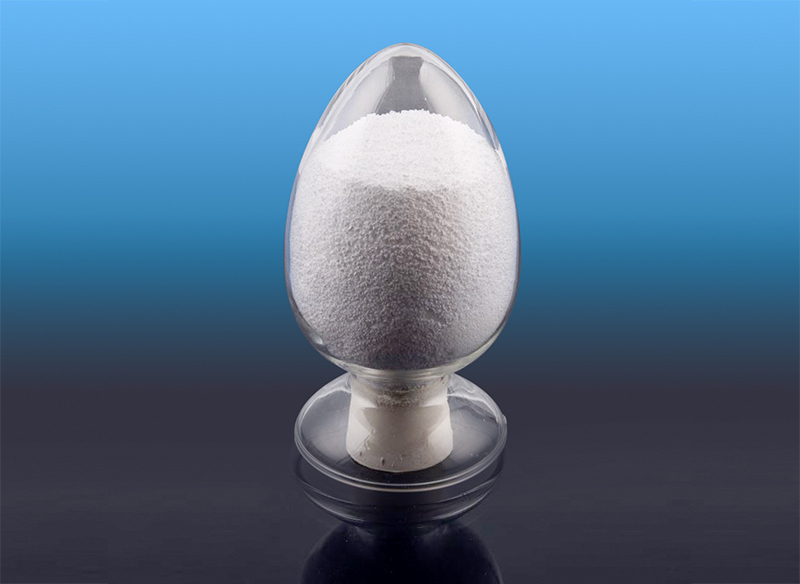 Hydrogenated Isoprene Polymer EP ZL-D700Review ZL-D700, a saturated star-shaped EP polymer for lubricant viscosity index improvement, polyolefin modification, adhesives, and sealants where heat and oxidation resistance matter.View Product →
How the Industry Tests Weathering
Accelerated weathering is only meaningful when the test cycle resembles the application. Exterior cycles run hotter and wetter than interior ones, and interior cycles often include a glass filter to mimic cabin glazing. Common references you will see in a specification include:
- ISO 4892-2 and ASTM G155 xenon-arc exposure, with or without water spray
- ASTM G154 and ISO 4892-3 fluorescent UV with UVA-340 lamps
- SAE J2527 and J1960 automotive exterior cycles
- Supplier-specific cycles written by individual vehicle manufacturers
Results are then judged on measurable criteria: color shift expressed as Delta E, gray-scale rating, gloss retention, and retention of tensile strength and elongation. A typical target might ask for at least eighty percent elongation retention with a color shift below three units, but the numbers vary widely between OEMs and between interior and exterior zones. Surface tackiness, cracking under flex, and adhesion loss in overmolded parts are also checked visually because they often appear before the bulk properties move.
Processing Habits That Protect the Stabilizer Package
A well-formulated compound can still fail if the process punishes it. Practical points that matter in production:
- Dry hygroscopic fillers and masterbatches, and store elastomer in sealed packaging.
- Use screw geometries with moderate shear and avoid long residence times at high melt temperature.
- Disperse stabilizer masterbatches uniformly; unmelted agglomerates become local weak points.
- Watch regrind ratios, since repeated thermal history consumes antioxidant capacity.
- Control the bonding zone in two-shot or co-extruded parts, where interfacial degradation can begin.
Choosing a Partner for the Long Term
Weathering performance is a property of a system, so it is worth asking how a supplier actually controls the variables. On our side, that means hydrogenation capability across SBS, SEBS, SEPS, and EP families, plant control through a distributed control system, and eight inspection stages from raw material intake to finished product. Our postdoctoral workstation and R&D team spend much of their time on block structure design and functionalization through reactive extrusion, which is precisely the toolkit needed when a customer asks for a softer grade with the same outdoor durability.
Most automotive projects also need a supplier who understands that a specification is a conversation, not a wish list. Sending us the exposure cycle, wall thickness, color, and joining method usually produces a more useful answer than sending a hardness number alone.
Practical Takeaways
- Start with a saturated backbone, then design the stabilizer package around the actual exposure zone.
- Treat pigment, section thickness, and surface finish as part of the UV solution rather than decoration.
- Match the accelerated test to the real environment; interior and exterior cycles are not interchangeable.
- Protect the formulation during processing, since thermal history quietly consumes the protection you paid for.
- Keep unsaturated grades for protected parts, and use them where economics matter more than sunlight.
None of this is complicated, but it does reward early planning. When the polymer chemistry, the additive system, and the process window are chosen together, a UV stabilized thermoplastic elastomer can stay flexible and presentable for the life of the vehicle rather than for the life of a warranty claim.