Language
 English
 中文简体
中文简体 Español
 русский
 +86-15268315011


Hydrogenated Styrene-Butadiene Block Copolymer (SEBS): Properties, Applications, and Processing Guide
Content
Introduction to Hydrogenated Styrene-Butadiene Block Copolymer (SEBS)
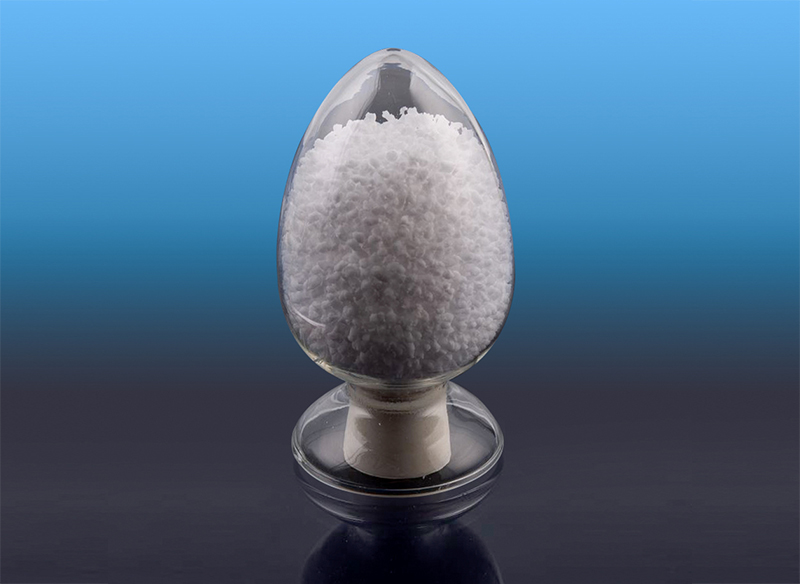
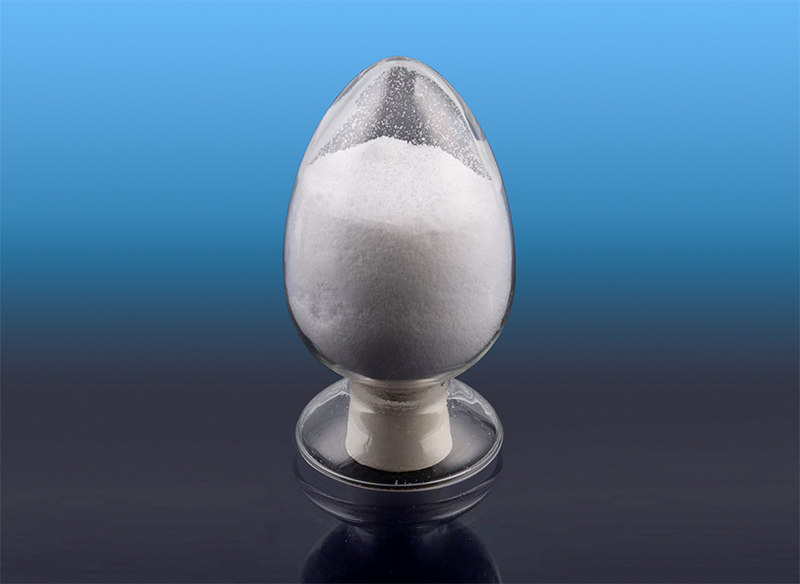
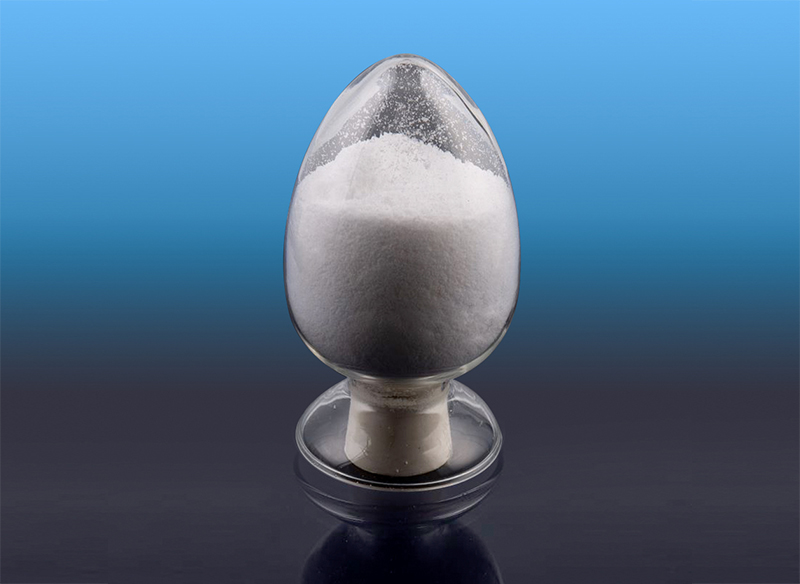
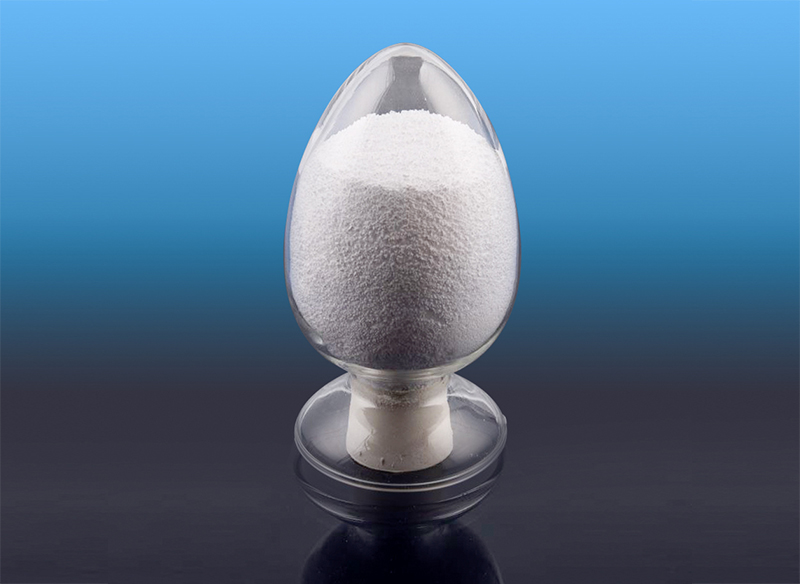
Hydrogenated Styrene-Butadiene Block Copolymer, commonly known as SEBS, is a high-performance thermoplastic elastomer that combines the elasticity of rubber with the processability of thermoplastics. It is derived from the hydrogenation of Styrene-Butadiene-Styrene (SBS) block copolymers, which enhances thermal and oxidative stability. SEBS is widely used in automotive, medical, adhesives, consumer goods, and industrial applications due to its superior mechanical, chemical, and environmental resistance properties.
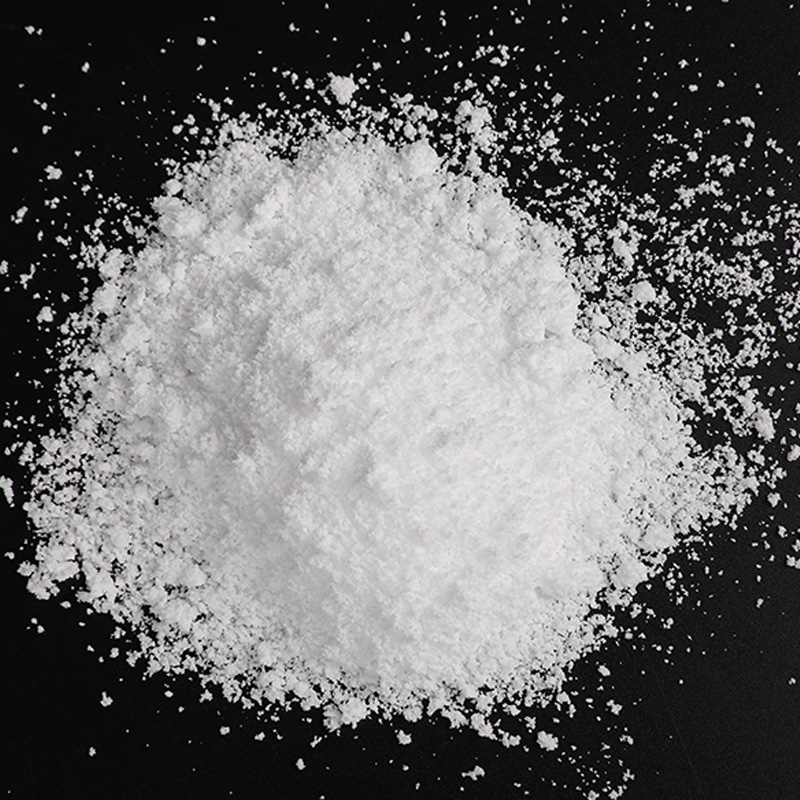
Chemical Structure and Composition
SEBS is composed of styrene and ethylene-butylene blocks arranged in a linear triblock structure. The styrene blocks form hard domains that provide strength, while the hydrogenated butadiene segments create soft, rubbery domains responsible for elasticity.
Hydrogenation Process
The hydrogenation process selectively saturates the butadiene segments, converting unsaturated double bonds into saturated ethylene-butylene chains. This process significantly improves thermal stability, UV resistance, and chemical inertness, making SEBS suitable for applications requiring prolonged exposure to heat, oxygen, or UV light.
Molecular Structure Illustration
The typical SEBS molecular architecture can be summarized as:
- Styrene block (hard) – provides tensile strength and rigidity.
- Ethylene-Butylene block (soft) – provides elasticity, flexibility, and impact resistance.
- Triblock arrangement – alternating hard and soft segments for optimized performance.
Physical and Mechanical Properties
SEBS exhibits a unique combination of properties that distinguish it from other thermoplastic elastomers:
Thermal Stability
The hydrogenation process enhances thermal resistance, allowing SEBS to maintain elasticity at elevated temperatures, typically up to 200°C. This makes it suitable for automotive under-the-hood components and heat-resistant consumer goods.
Mechanical Performance
SEBS offers high tensile strength, elongation at break, and excellent resilience. It exhibits low compression set, making it ideal for sealing, gaskets, and vibration-damping applications.
Chemical and Environmental Resistance
SEBS is chemically inert and resistant to acids, bases, oils, and polar solvents. Its UV stability and oxidative resistance extend product lifespan in outdoor applications, such as flexible tubing, weather seals, and protective coatings.
Processing and Fabrication Methods
SEBS can be processed using conventional thermoplastic techniques, allowing for flexible manufacturing options:
Extrusion
SEBS can be extruded into sheets, films, tubes, or profiles. Its low melt viscosity ensures smooth flow, excellent surface finish, and consistent dimensional accuracy.
Injection Molding
SEBS is compatible with injection molding, enabling the production of complex shapes with tight tolerances. This method is often used for medical devices, soft grips, and overmolded components.
Blending and Compounding
SEBS is often blended with additives, plasticizers, or other polymers to tailor mechanical properties, enhance colorability, or improve compatibility with adhesives and coatings.
Industrial Applications
SEBS has broad industrial utility due to its versatile performance:
Automotive Industry
Used in dashboard skins, seals, gaskets, vibration dampers, and soft-touch grips due to its flexibility, UV resistance, and durability under temperature fluctuations.
Medical and Healthcare
SEBS is biocompatible and chemically resistant, making it suitable for tubing, catheters, seals, and flexible medical components.
Consumer Goods
Commonly used in soft-touch handles, protective covers, toys, footwear components, and household products due to its soft feel and durability.
Adhesives and Sealants
SEBS enhances tack, flexibility, and weather resistance in pressure-sensitive adhesives, hot-melt adhesives, and sealant formulations.
Comparison with Other Thermoplastic Elastomers
Compared to conventional SBS, SEBS offers superior thermal and oxidative stability. Unlike EPDM or TPU, SEBS maintains flexibility at low temperatures and shows improved chemical inertness. A comparative table is useful for selection:
| Property | SEBS | SBS | EPDM |
|---|---|---|---|
| Thermal Stability | Excellent | Moderate | High |
| UV Resistance | High | Low | High |
| Flexibility at Low Temp | Excellent | Good | Moderate |
| Chemical Resistance | High | Moderate | High |
Selection and Design Tips
- Choose SEBS grade based on hardness (Shore A) and intended application.
- Consider blending with plasticizers or fillers to optimize mechanical performance.
- Ensure thermal and chemical requirements match the operational environment.
- Confirm compatibility with processing methods, including extrusion, injection molding, or compounding.
Conclusion
Hydrogenated Styrene-Butadiene Block Copolymer (SEBS) is a versatile thermoplastic elastomer offering exceptional elasticity, thermal stability, chemical resistance, and processability. Its triblock structure and hydrogenated butadiene segments make it suitable for a wide range of industries including automotive, medical, adhesives, and consumer products. By understanding SEBS properties, processing techniques, and application-specific considerations, manufacturers can design high-performance products that meet demanding functional and aesthetic requirements.